

Chapter Eight of Harry Potter and the Order of the Phoenix is titled, The Hearing and sits at fifteen pages long. I remember reading this chapter in awe of how efficiently it sprinkled pure drama throughout those fifteen pages of prose. Books are made up of chapters, and chapters are made up of scenes. It’s good writing that has scenes that have multiple reasons for existing – not just to advance character, or to establish a setting, or to introduce a conflict, but preferably all of the above and more. Strap in and follow me as I go through this short chapter in what happens to be the biggest book in the series. Let’s go step by step, examining just how much heavy lifting this chapter is actually doing.
Leading up to this chapter, Harry is in arguably his worst mental-state in the whole series thus far. He’d just seen a friend of his get murdered right before his eyes. He watched as Voldemort was reborn from his own blood. He fought for his life when the Dark Lord tried to finish what he started all those years ago. He managed to escape by the skin on his teeth, but the psychological damage was done. He spent the end of Goblet of Fire in the tides of his spiraling thoughts, not wanting to speak about the events he’d experienced. And then, as if all that wasn’t bad enough, he was forced to go back to the Dursleys and spend the following month wondering why his friends were keeping secrets from him, and why the entirety of the magical world seemed to have turned their backs on him, intentionally keeping him in the dark.

Then came the events that lead to Harry’s hearing before the Ministry of Magic. While walking around in the Dursley’s home town of Surrey, a couple of dementors appeared and attacked his cousin Dudley, threatening his life. Harry acted quickly, casting his Patronus to save Dudley and driving the dementors away. At this point in the story, Harry had already received an official warning about using magic outside of Hogwarts. This was his second violation of that rule. However, due to the actions of Dobby, the house elf in an earlier book, this was Harry’s third and final strike in the eyes of the Ministry. This third and final strike would result in Harry’s expulsion from Hogwarts. This life-saving act of courage and compassion resulted in Harry being banned from the only place in the world that has ever felt like home to him, banned from the only people who have ever felt like family to him. To quote the twelfth-century writer, Walter Map, Harry’s decision to save his abominable cousin’s life caused the Ministry to act in such a way that “left no good deed unpunished.”
So, it’s the day of Harry’s hearing. They leave for the Ministry early, only to find out that the site of the appointment had been changed, and the time of the appointment had been moved up at the last second. “You’re late,” were the first words uttered to him, and when Harry began to explain that he hadn’t been made aware of the change in time, the voice of Cornelius Fudge snapped back, telling him that an owl was sent that morning, carrying notice of this change. Immediately, this makes the reader wonder: Why would they change the time and place of this hearing on the morning of the hearing? Why would they move it up, no less, certainly creating the possibility that the accused would be late? Harry and Mr. Weasley did the right thing by leaving early. Surely, the Ministry would consider the fact that they might do so, if not out of respect for the authority of this group, but out of the desire to make a good first impression.
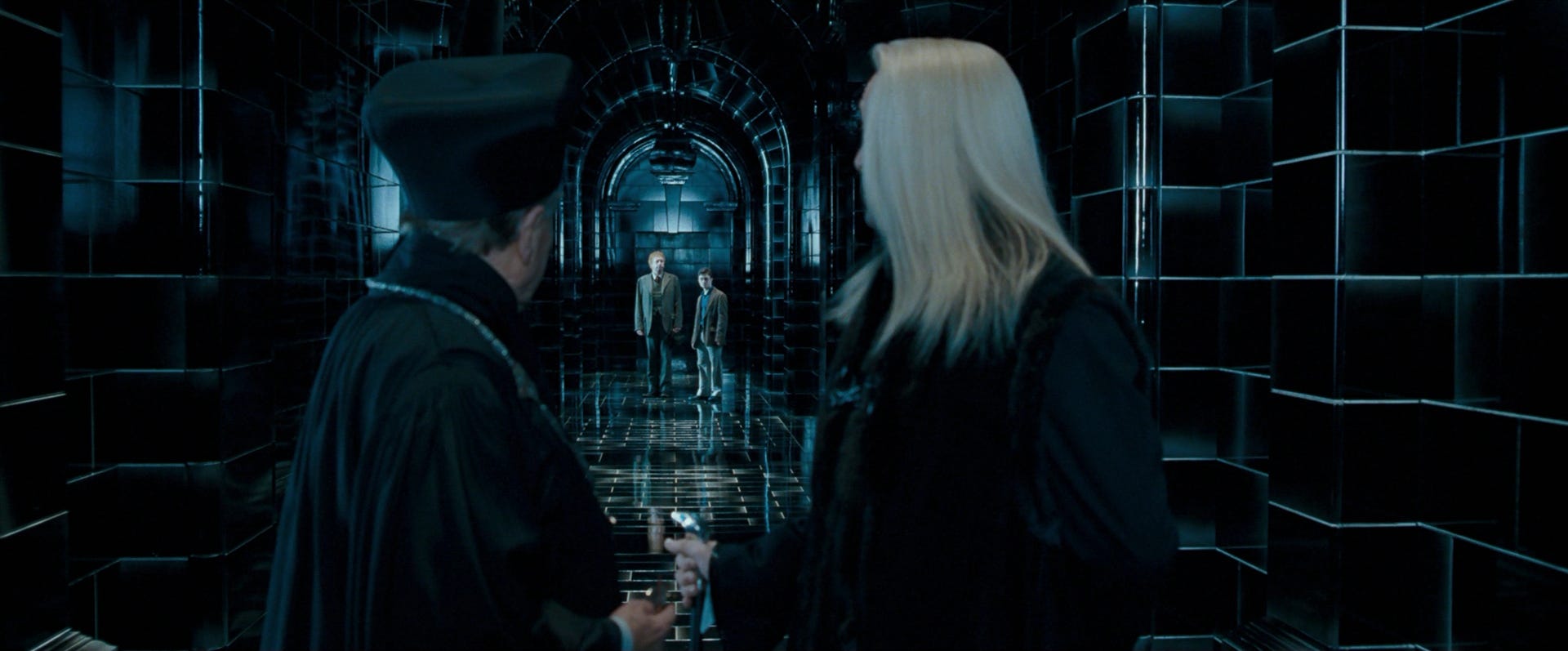
Before the hearing has even commenced, the tension is rising. Harry takes his seat in front of fifty or so members of the Wizengamot who would decide the fate of the rest of his life. He recognizes Percy Weasley who refused to meet Harry’s eyes. He saw Mr. Fudge and a few other faces dimly lit. But to the Minister’s right, sat a witch whose face was in shadows. Who is this woman sitting so far back on her bench as to stroud her face in the darkness of the room? Surely, she’s a person of import, sitting directly beside the Minister.
Sitting very alone, feeling the weight of everything that has led up to this moment on his shoulders, Harry listened to the crimes he was accused of committing. As the gravity of his predicament continued to press down on him, a quiet voice was heard from behind him, announcing themselves as a witness for the defense. It was none other than Albus Percival Wulfric Brian Dumbledore. And thus, we have our first real twist in the drama at play here. Harry was alone, under the watchful eyes of those who sought to ruin his life as he knew it. Now, he had an ally to face the coming onslaught alongside. What was just a one-sided affair is now a conflict among two parties.
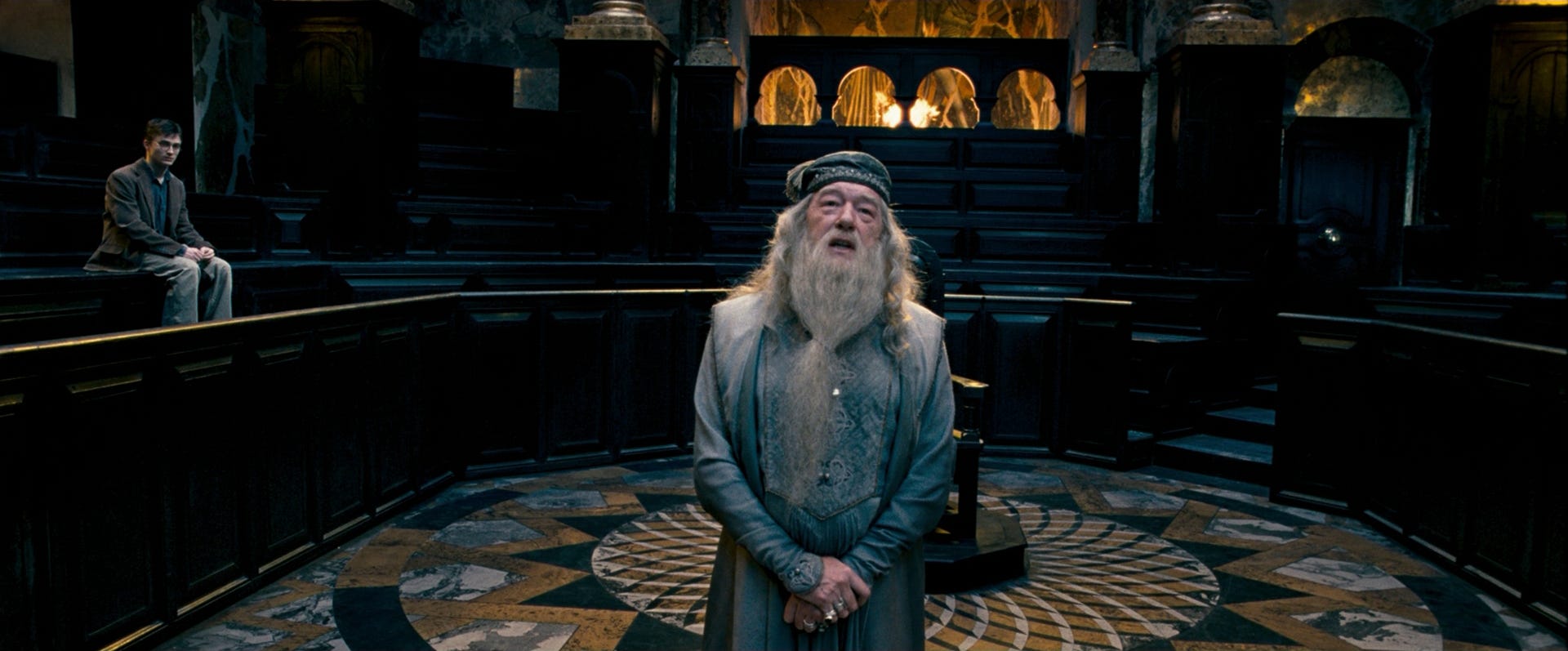
Dumbledore’s appearance filled Harry with a “fortified, hopeful feeling” but the members of the Wizengamot (which until very recently, Dumbledore was a member of) looked annoyed and even slightly frightened. Cornelius was “obviously flustered” and “thoroughly disconcerted” by the Headmaster’s presence in the courtroom. With a stutter, the Minister noted that Dumbledore must have successfully received the message that the time and place of this hearing had been changed, to which Dumbledore admitted that he missed that message, but “due to a lucky mistake” he had arrived three hours early, “so no harm done.” What all of this tells the reader is that the Wizengamot had no intention of speaking with Dumbledore on this day – they wished to interrogate and sentence Harry without a defense; they didn’t want Harry to stand a chance at skirting his expulsion. If it wasn’t already clear, it is now: There’s a potential conspiracy against the boy wizard afoot here.
Mind you, I’ve already listed enough conflict to set up and explore in this chapter. Can you guess how many pages into said chapter we are at this point? We are not even two pages into this chapter, and there are already several layers to the drama that is building, the bulk of which is conveyed entirely through subtext – yet another sign of genuinely good writing.
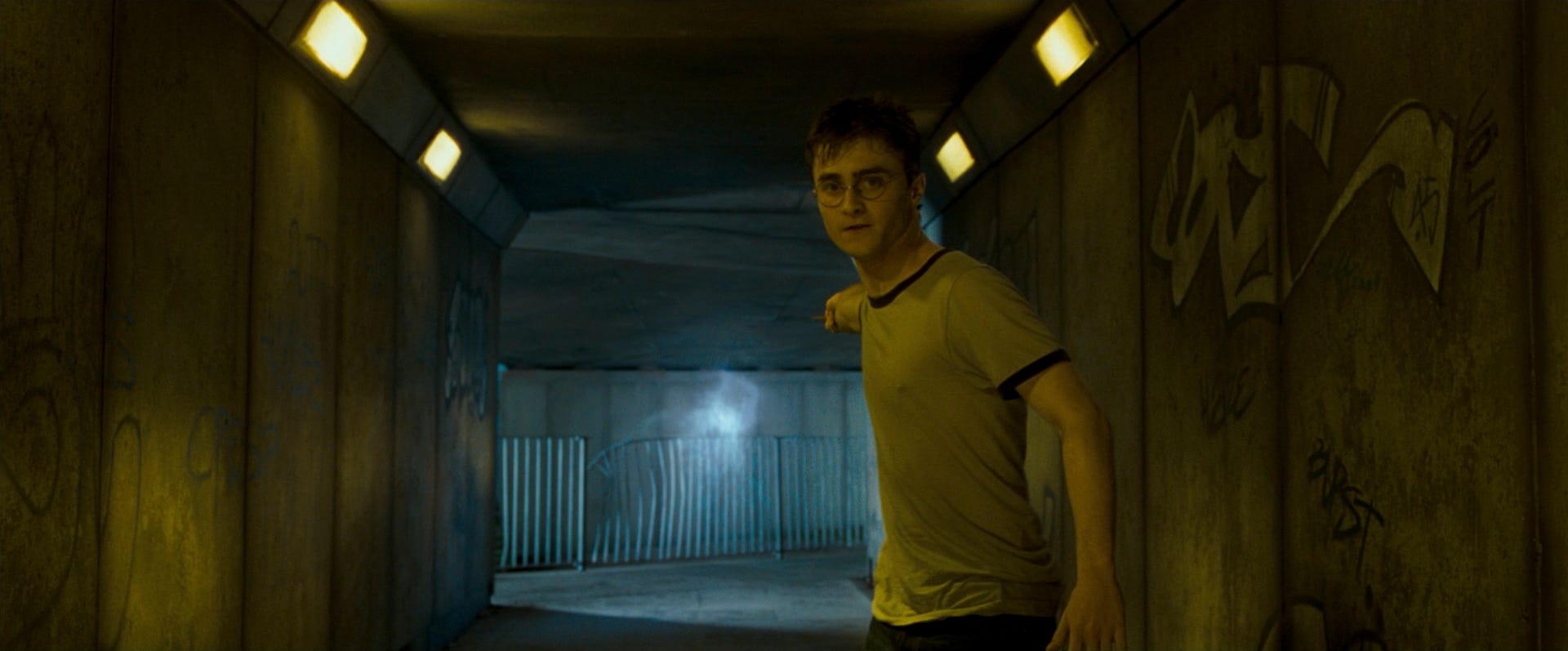
As we dive back into the prose, Cornelius Fudge began uttering the charges that were being brought up against Harry Potter, which the boy wizard admitted to committing but was urgently trying to fit in a defense for his actions before getting cut off by the Minister questioning him. The series of formal inquiries led to a brief back-and-forth about the fact that Harry can produce a fully fledged, clearly defined, corporeal Patronus in the form of a stag. Though this feat is impressive for a fifteen-year-old, Fudge states that “It’s not a question of how impressive the magic is… In fact, the more impressive the worse it is, I would have thought, given the boy did it in plain view of a Muggle!” Agreeing murmurs filled the stands and Harry watched the one friendly face in the group (Percy Weasley) nod self-righteously in response to the Minister’s statement.
This was the last straw for Harry. “I did it because of the dementors!” he shouted. The crowd of interrogators fell silent before one of them questioned his claim. What followed Harry’s confirmation was a condescending string of comments by the Minister of Magic, who had already been under the impression that Harry was an attention-seeking, perhaps mentally unwell individual — thanks to the fabricated articles published in the Daily Prophet, and since the events of Goblet of Fire. When Harry was greeted by the Minister in the hospital following the sequence of traumatic occurrences that took place in the graveyard where the body of Tom Riddle Sr. had been laid to rest, Cornelius Fudge had been in absolute, wholehearted denial about the return of the Dark Lord, Voldemort. Worse still, he had been actively silencing any word that may come out about this. He refused to allow the public to believe what he considered to be a dangerous lie, or the elaborate creation of a mentally deranged young boy. He could not allow for the possibility of people to believe such a claim, which would certainly cause chaos, and worse even, usher in another dark age, which had plagued their world up until the events that took place in Godric’s Hollow, where Lily and James Potter were murdered in cold blood — where Voldemort had lost his powers, his body, and his suffocating hold on the magical world. Cornelius was prepared for Harry to put his mental illness on display and mention the dementors, and was prepared to strike his claims down as nothing but a “nice little cover story.”
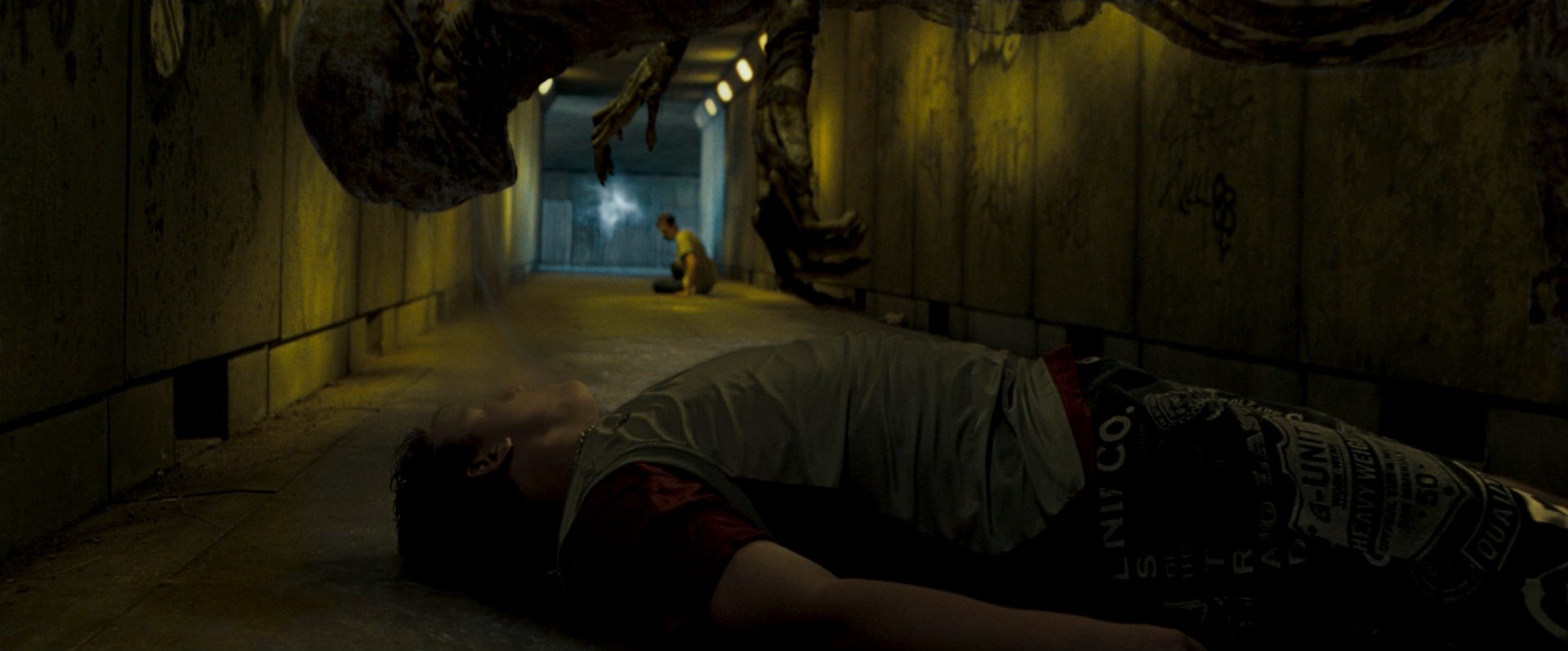
When Mrs. Figg was summoned as an eyewitness to come to Harry’s defense, she began recounting the events of that night very poorly, lingering on pointless details and describing the dementors as if she had merely seen a picture of them once, as opposed to actually seeing them attack with her own two eyes. Harry felt a “horrible sinking feeling in the pit of his stomach” as the Wizengamot muttered amongst themselves, and Fudge “snorted derisively.” This scene is already neck deep in conflict, surface level and subtextual – this short sequence revolving around Harry’s only eyewitness appearing unreliable was not needed for this scene to work. This is a great example to point to when examining just how remarkably loaded this chapter is in drama.
Soon, Mrs. Figg’s voice and her recounting became more confident, and the details she was reciting became more detailed. This minor dramatic arc weaved into a web of other dramatic arcs came to an end when she was finished speaking, and everybody on the Wizengamot turned to Fudge, who was now fidgeting with his papers – this testimony was obviously not a part of his plan. Only after Mrs. Figg left the room did he say, “Not a very convincing witness.” This was met with disagreement by the witch beside him. Now, all of a sudden, there was conflict within the body assembled before our hero.
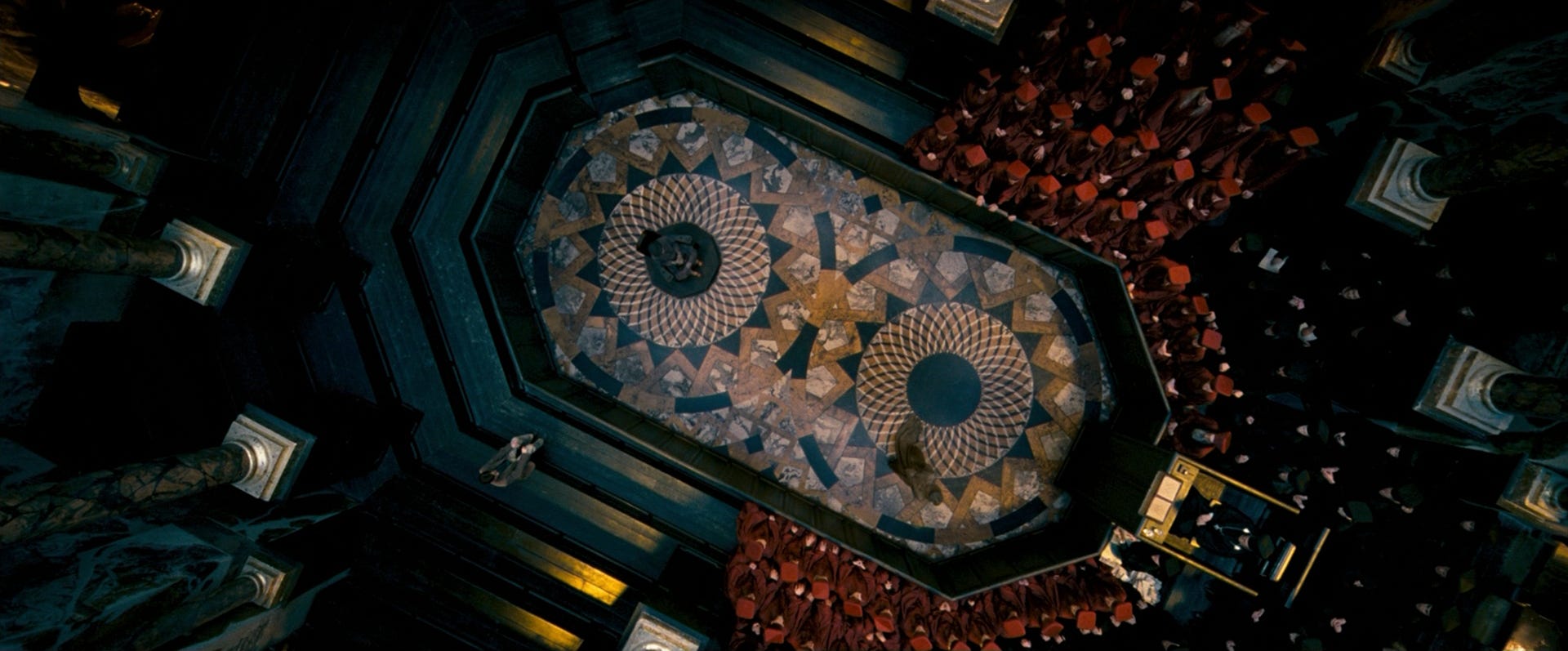
What happens next is, once again, so multi-layered it’s begging to be studied by writers and readers alike. Fudge claimed that the odds of two dementors happening to sneak into the Muggle world and happening to come across a wizard were absurd. Dumbledore countered this statement by saying he didn’t think the dementors were there by coincidence. Let’s stop here: What is he actually saying? What claims is he making without making them? This is really delicious stuff. Dumbledore then claimed that the dementors must have been ordered there — specifically by someone other than the Ministry of Magic. Boom. This conflict just shot to the stratosphere.
Dumbledore wholeheartedly believed Harry when he said that Voldemort was back. He believed it so strongly that he began taking actions to prepare for when this new dark age would begin — for when Voldemort would begin his next reign of terror. This put him at odds with Cornelius Fudge who essentially cut ties with the Hogwarts’ headmaster. When Dumbledore made this claim that the dementors might have been taking orders from somebody else these days, the Minister knew precisely what (or rather, who) Dumbledore was talking about. Fudge insisted that the dementors were still at Azkaban, and were still “doing everything we ask them to.”
Somehow, someway, this is about to get a whole lot juicier!
Dumbledore then tried to get Cornelius Fudge to admit that the dementors might well be under the control of the newly-returned Dark Lord. But this didn’t work — the Minister is still completely in denial of this fact. Dumbledore wasn’t out of cards to play though. His next statement officially put the Minister of Magic between a rock and a hard place: “Then, we must ask ourselves why somebody within the Ministry ordered a pair of dementors into the alleyway on the second of August.” If it wasn’t Voldemort who sent the dementors to kill Harry Potter, then, according to the Minister of Magic, it must have been the Ministry who sent the dementors to kill Harry Potter. Why would the Ministry want Harry dead? If they were trying to keep the return of Voldemort buried, killing the only person who saw him return would be a good place to start. Harry Potter’s voice was bound to cause the Ministry a lot more trouble in the coming months. In the Ministry’s eyes, the fifteen-year-old boy wizard was a ticking time bomb. Again, ladies and gentlemen, none of this was written in the book, but all of this was palpable to the reader.
Dumbledore’s incredible claim brought Dolores Umbridge out from the shadows beside Fudge, putting a bow on yet another dramatic thread. “So silly of me. But it sounded for a teensy moment as though you were suggesting that the Ministry of Magic had ordered an attack on this boy!” A few within the Wizengamot laughed along with Dolores Umbridge, but it was clear that none of them were actually amused. The tension of the situation was beginning to overwhelm them.
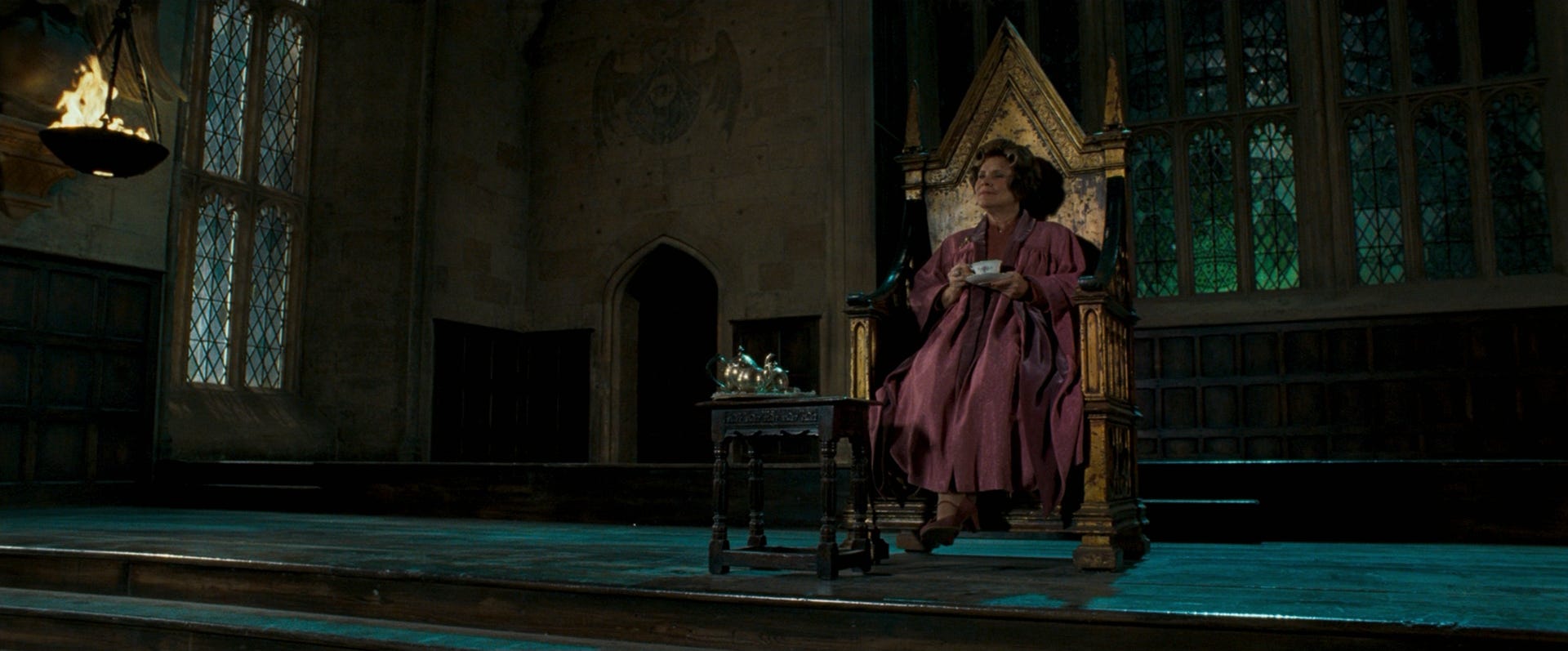
What followed was a petty exchange, as Fudge was now on his last legs, desperate to keep hold of the reins on this hearing. Dumbledore insisted that the Ministry investigate why the dementors were so far away from Azkaban and why they attacked Harry without authorization, to which Fudge snapped, saying it is not up to him (Dumbledore) to decide what the Ministry of Magic does or does not do. Dumbledore, mindful of the fact that he was now firmly in control of this situation, said calmly, “Of course it isn’t… I was merely expressing my confidence that this matter will not go uninvestigated.” That line of dialogue is saying so damn much with so damn little.
This long exchange between these two men was about several things under the guise of one thing. They were fighting for power over the room. They were arguing over the outcome for this trial — over the fate of Harry Potter. They were trying to convince each other about the reappearance (or lack thereof) of He-Who-Must-Not-Be-Named, without ever naming him or directly mentioning him. These two men were having several different conversations within one, and they were the only people who knew just how many different conversations they were actually having. Surely, Harry could pick up on a couple of the layers, but only the two men engaged in this back and forth could pick up on all of them. Even though Cornelius was sitting on the bench that belonged to the Judge, Jury, and Executioner, Albus Dumbledore, sitting far below him on an armchair beside the accused, was in control from the moment he walked into that room.
Having lost almost all ground to stand on, Cornelius Fudge attempted to pull himself back to the helm of this hearing while at the same time, once again, returned the line of questioning back to Harry’s sanity. “I would remind everybody that the behavior of these dementors, if indeed they are not figments of this boy’s imagination, is not the subject of this hearing!”
Dumbledore replied by saying the dementors, though not the subject of the hearing, were highly relevant, as under the rule of law, wizards were allowed to use magic when the life of the wizard or Muggle are threatened. Still grasping at straws, Fudge began to say, “If there were dementors, which I doubt—” Dumbledore told him to bring the eyewitness back to question her further if he needed any more testimony backing the claim that the dementors were, in fact, there. Fudge’s fumbling continued: he said he didn’t want to question Mrs. Figg again because he wanted to get the trial over with today; Dumbledore said that it shouldn’t matter how many times one heard from the witness as long as it avoided “a serious miscarriage of justice”, which caused Fudge to shout, offended. He scolded Dumbledore for believing everything Harry ever said while also covering up his flagrant misuses of magic over the years, bringing up the hover charm in Chamber of Secrets.
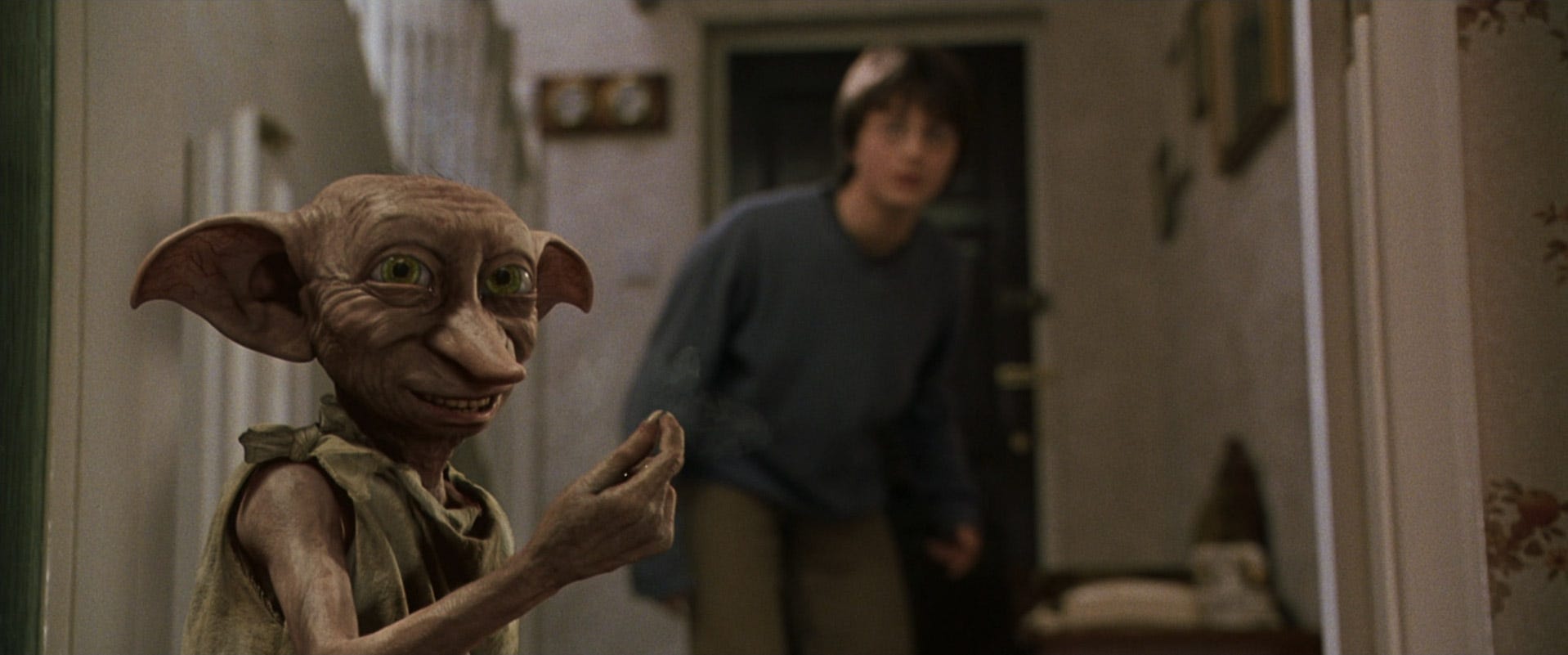
Harry defended himself, telling him that the house-elf Dobby had committed that illegal act. “YOU SEE?” blurted Fudge. He couldn’t believe that Harry would use a house-elf as an excuse — he must’ve thought that this was the most ridiculous thing he’d ever heard. Fudge believed with every fiber in his being that he had caught Harry Potter in a wild lie, finally getting what he needed to incriminate the boy.
Unfortunately for the now clearly compromised Minister of Magic, Dumbledore was prepared for that as well. “The house-elf in question is currently in the employ of Hogwarts School… I can summon him here in an instant to give evidence if you wish.”
At this point, Fudge had completely lost his temper. He was now bellowing, “banging his fist on the judge’s bench and upsetting a bottle of ink.” The Minister pivoted the argument to what Harry had been getting up to at school, even though a few minutes earlier, he was desperately trying to get the argument back on the matter of the hearing at hand, thinking that would help his cause. Dumbledore shut him down yet again, saying it wasn’t up to the Minister how he handled the students at his school, and the Ministry had no authority to expel a student from Hogwarts. Fudge insisted that laws can be changed, subliminally threatening both Dumbledore and Harry.
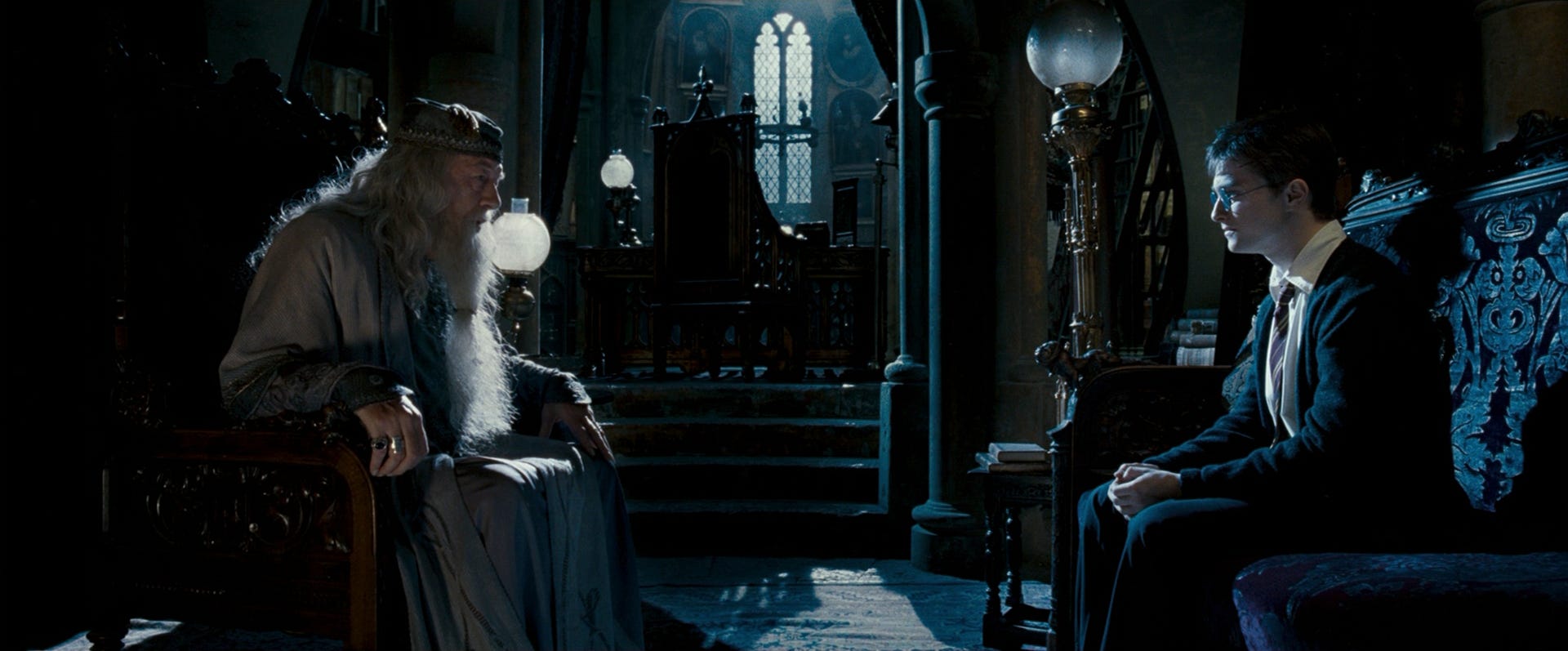
Dumbledore responded, “You certainly seem to be making many changes, Cornelius. Why, in a few short weeks since I was asked to leave the Wizengamot, it has already become the practice to hold a full criminal trial to deal with a simple matter of underage magic!” Dumbledore was calling him out for what was now obviously a blatant conspiracy against Harry Potter. At this point in the chapter, everything was adding up to make the evidence of this conspiracy clear as crystal, barely ever uttering a word on the subject, or making a single formal accusation. All of this conflict was bubbling between the lines that were written in the book. Drama was dripping through every crack between sentences. The power within the scene was being fought over under every paragraph, and the tension was growing increasingly taut, until finally, it snapped.
Dumbledore said, “As far as I am aware, however, there is no law yet in place that says this court’s job is to punish Harry for every bit of magic he has ever performed. He has been charged with a specific offense and he has presented his defense. All he and I can do now is await your verdict.” Dumbledore calmly brought his fingers together and sat back in his chair.
Only one more than half a dozen members of the Wizengamot voted in favor of conviction. It was clear to everybody in the room that Fudge did not do an adequate job in what he was so desperate to do, which was convicting Harry Potter of a crime, ridding him of this giant thorn in his side, one who threatened the status quo within the Magical world. Harry Potter was cleared of all charges. Dumbledore sprang to his feet and swept out of the dungeon, having done his job of defending Harry’s innocence, maintaining the boy’s status as a legal wand-carrying underage wizard, and an active student at the Hogwarts School of Witchcraft of Wizardry.
Fifteen pages of prose, and not a paragraph was wasted. Not a sentence, and not a word. This chapter could have done one thing well, or two things well to really succeed – but it did so many things well, elegantly weaving story elements that start and end all throughout the timeline of the scene. The conflict starts big, gets bigger, stretches wider, then dives deeper. Chapter Eight of Harry Potter and the Order of the Phoenix is a masterclass in crafting a layered, dramatic scene.