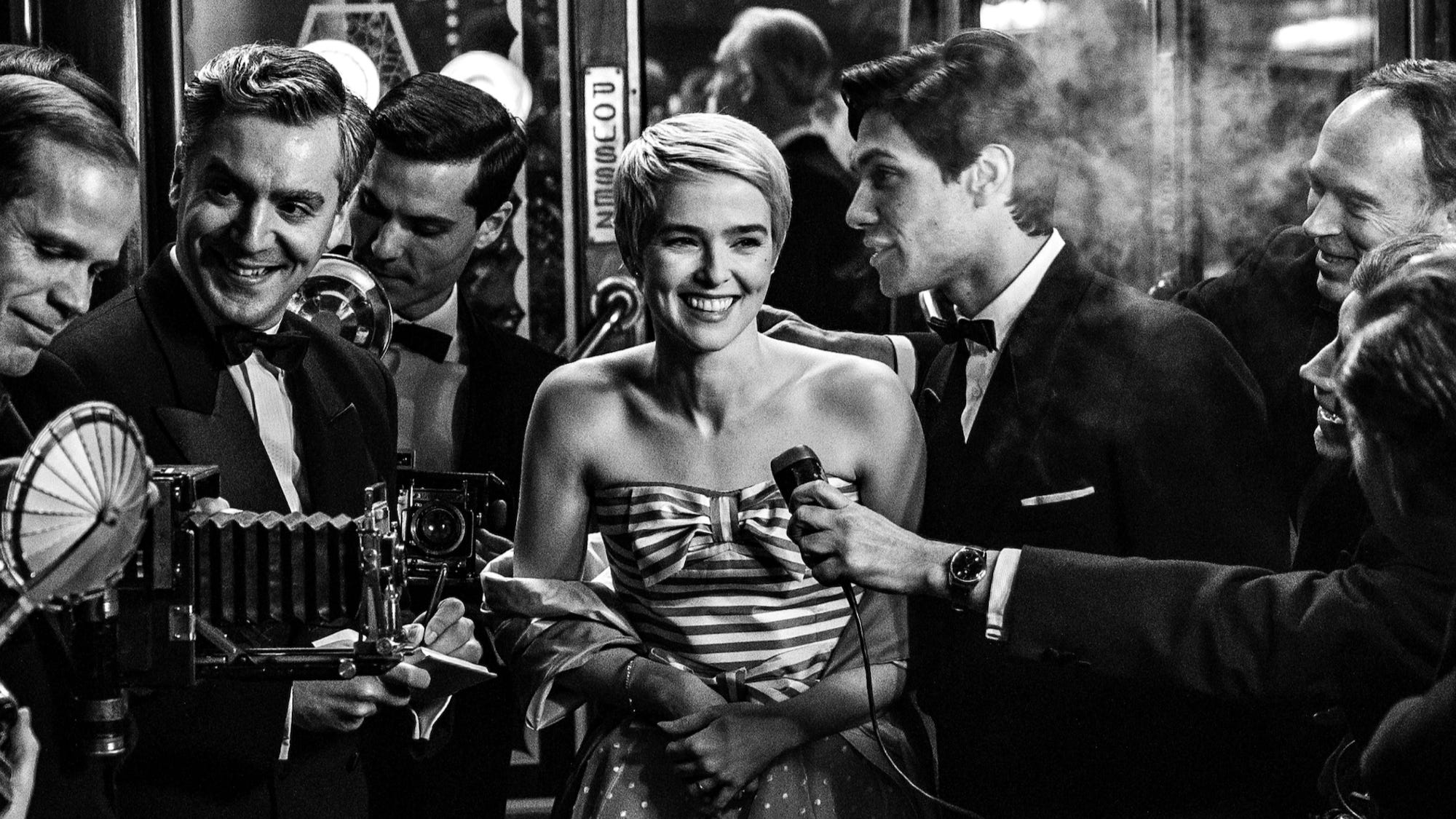
12 ANGRY MEN (1957)
Put twelve people from various backgrounds in a room, make them uncomfortable, put the life of a young man in their hands, and see how much drama you can squeeze out of that. It’s amazing how much humanity can be explored with that kind of premise, how much conflict can be mined.
This feels as relevant now as it was in 1957. Stick twelve men from New York in a stuffy room to debate the guilt or innocence of a young minority, and I bet you’d find that the questions this film poses would still be prevalent today.
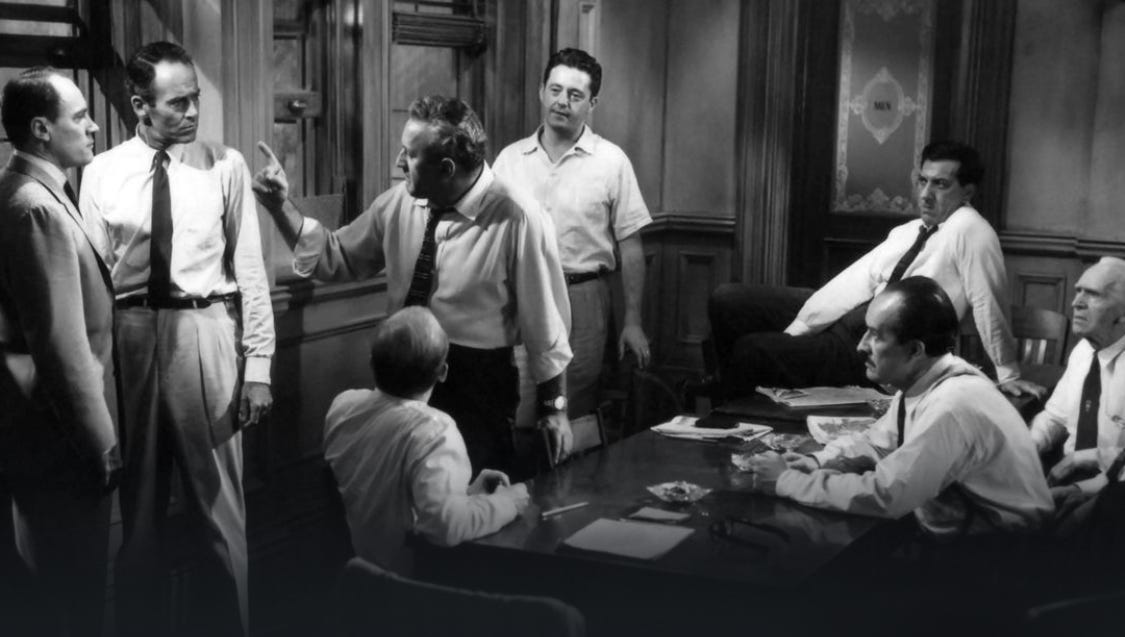
OFFICE SPACE (1999)
Over the years, I’ve come to wonder if I’m not wired to judge comedies fairly — but the counter argument is: Why should I hold comedies to a lower storytelling standard?
Anyway, I watch this, I giggle a few times, but all I can think about is how promising the premise of this story was, and how about a third of the way in, it loses focus and becomes about something other than what it was about when the movie was being established. I was interested in this guy who hates his job and chooses to stop caring about it. I didn’t care in the slightest about the shenanigans that became the focus of the story after that.
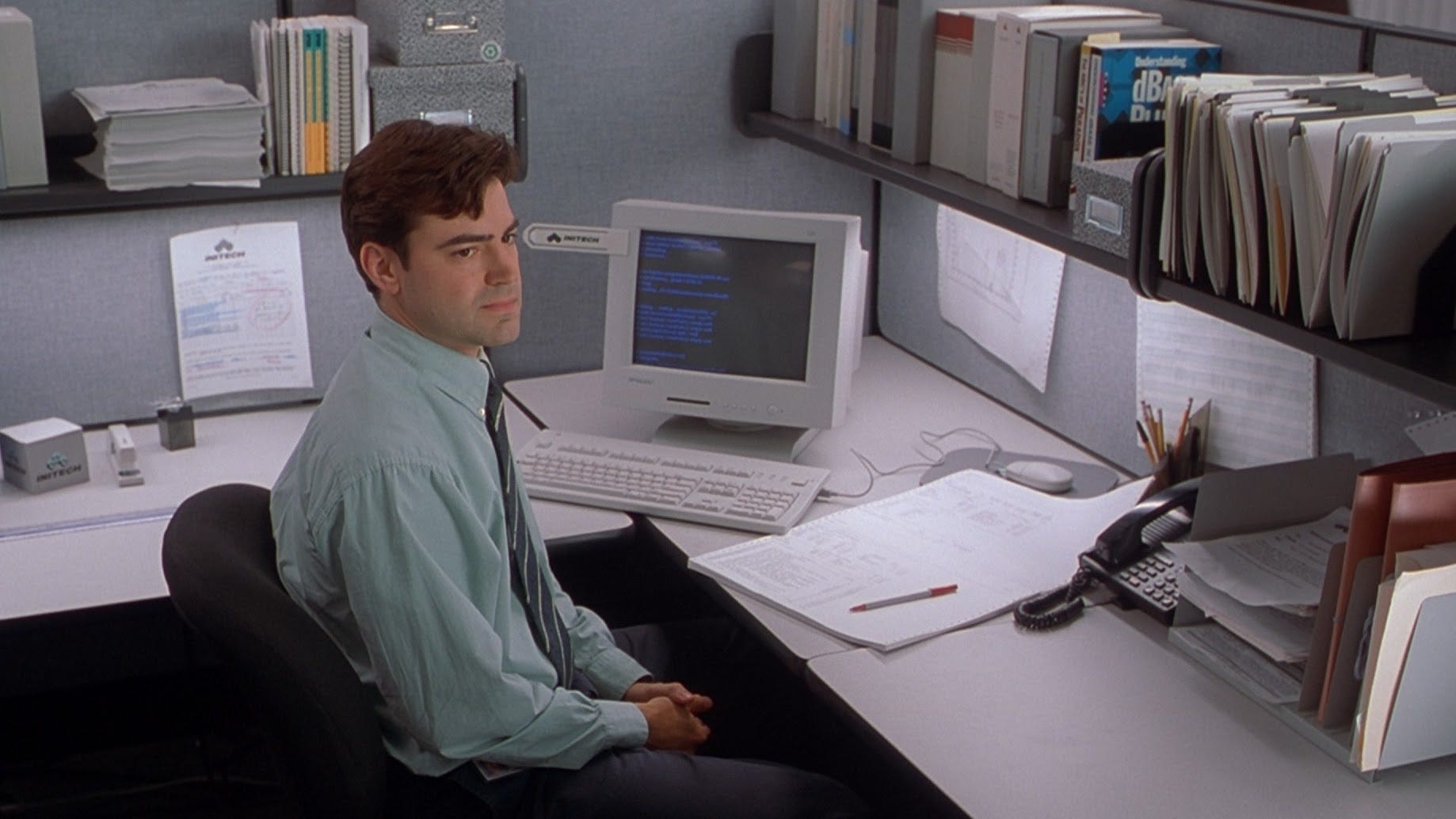
HAMILTON (2020)
Musical theater is so magical. Just humans on a stage, moving amongst each other along with the music, singing their hearts out, performing in front of hundreds of humans watching with their hearts wide open. It can be traced to the ancient Greeks, and probably didn’t look all too dissimilar. It’s a form of storytelling on a plane unaccompanied by any other. When the story matches the medium in majesty, you get magic. You get an experience that pierces straight into the soul.
Previously Reviewed in 2020 & 2023
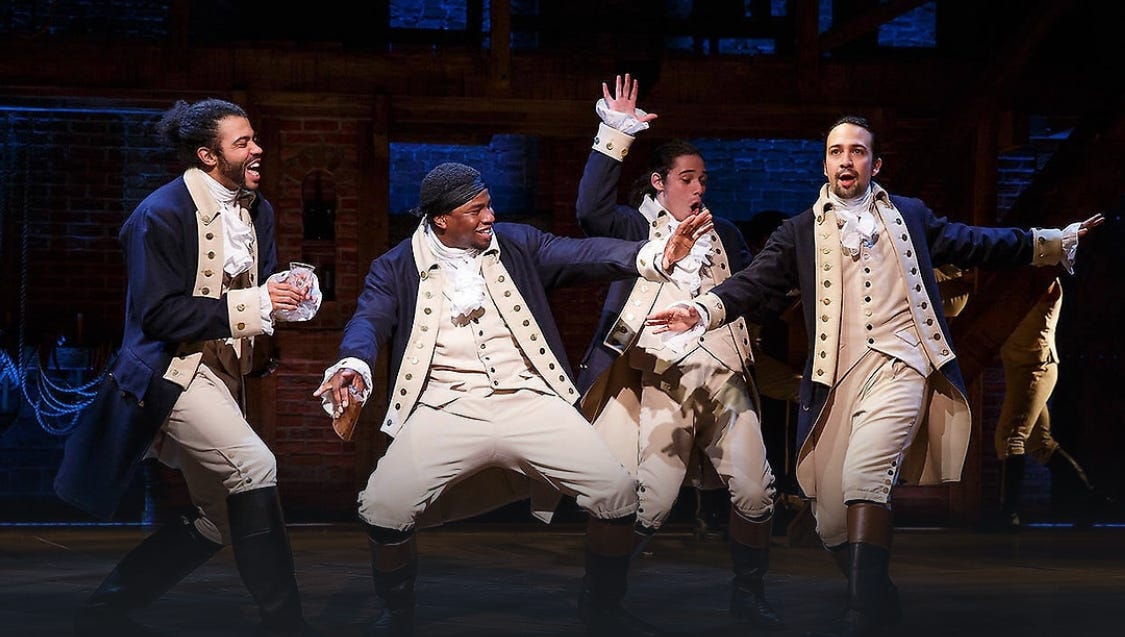
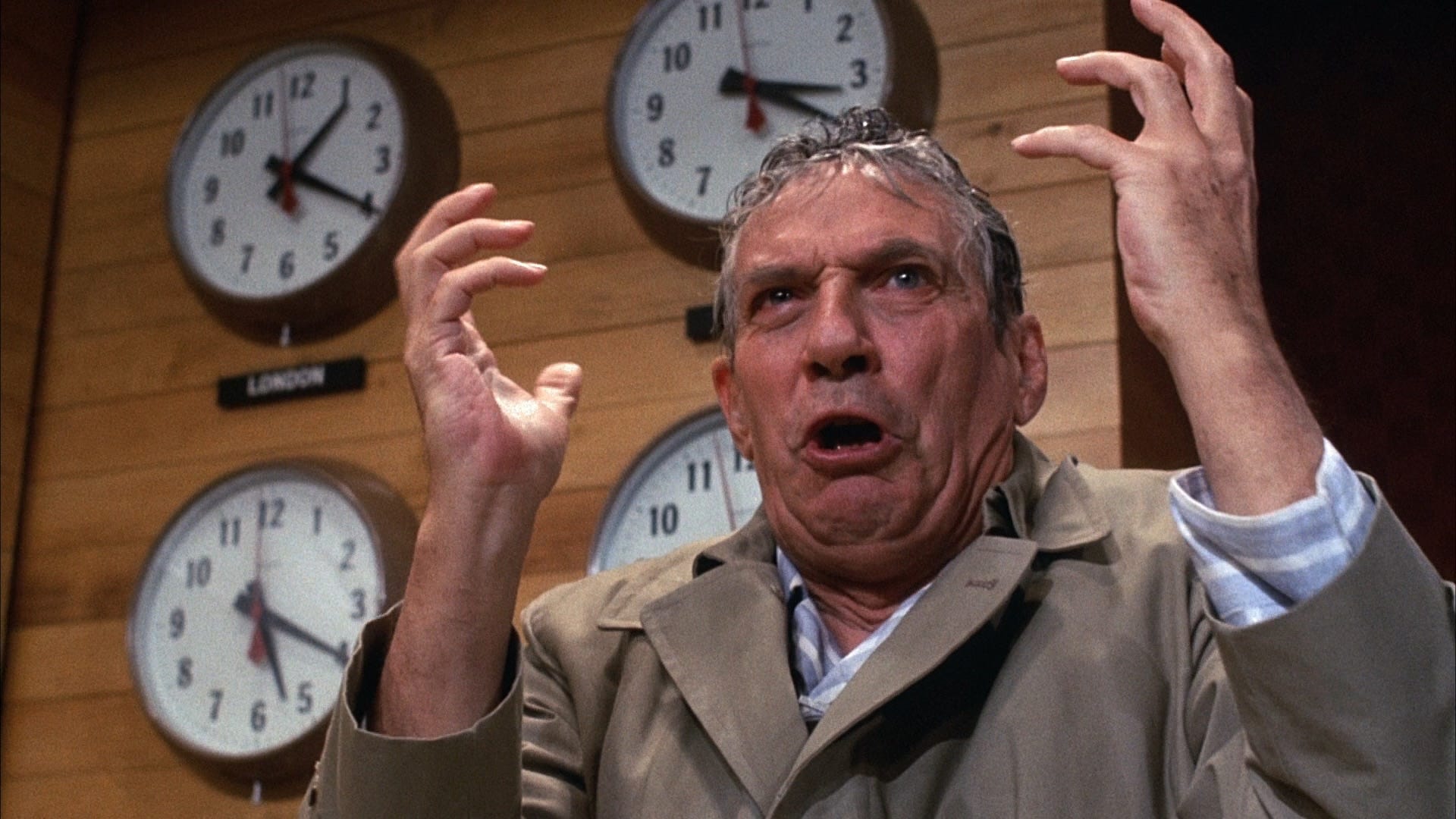
NETWORK (1976)
According to the Brainrot Department on Twitter, the 7th of January is national I’m Not Going To Take It Anymore Day. As such, I’m using that arbitrary designation as an excuse to revisit this Sidney Lumet / Paddy Chayefsky masterpiece. You may ask, what do these two things have to do with each other? Well, according to that very same Brainrot Department, the appropriate response to your inquiry would be: IYKYK.
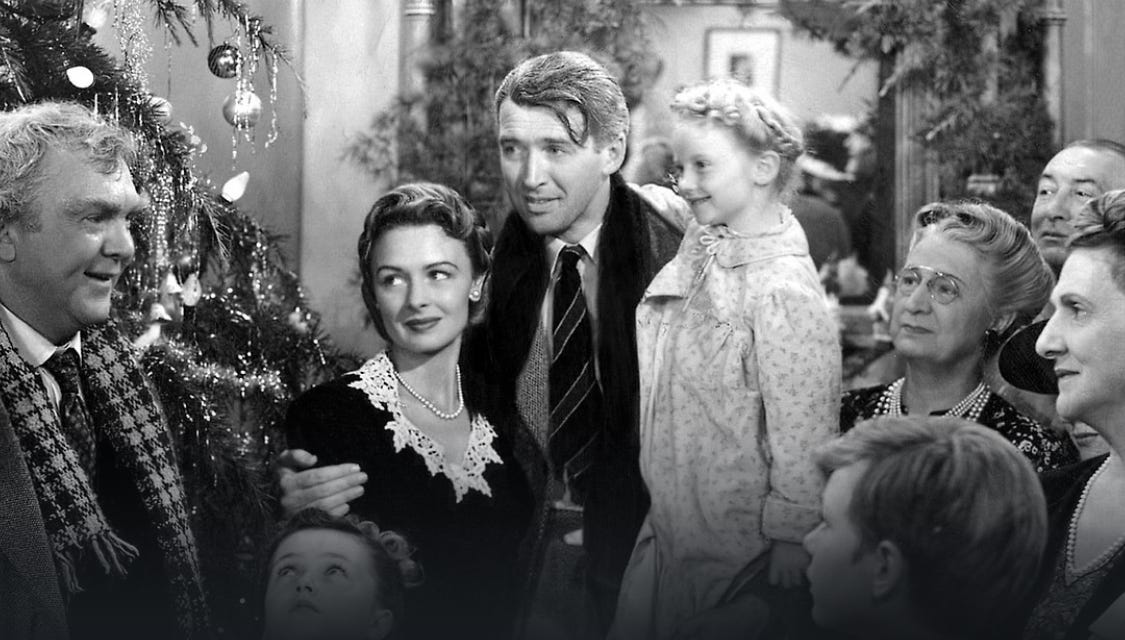
IT’S A WONDERFUL LIFE (1946)
I was a younger man when I last watched this movie. Swiftly approaching thirty-two, this film certainly strikes at my heart and soul in ways it never could all those years ago.
It’s an amazing thing when a piece of media can rewire your brain, the patterns of your thoughts. It’s a miracle, frankly, that a piece of media can make you reflect on the life you’re presently living and appreciate it in ways you perhaps weren’t before pressing play. What a gift this film is.
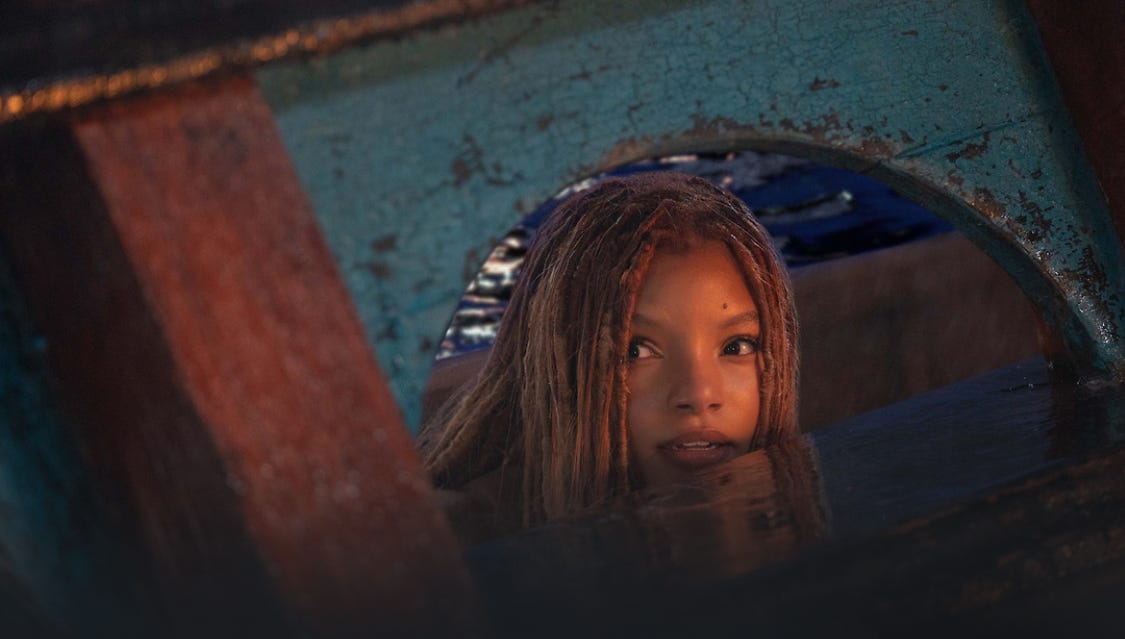
THE LITTLE MERMAID (2023)
I totally understand hating on a remake if it makes no improvements to the original, therefore having little reason for existing. This remake makes significant improvements while remaining impressively true to the original. The lore is deeper in this remake. The new songs are wonderful (I don’t despise The Scuttlebutt). Ursula is a fuller character here. Eric is a much better character here, colored with a backstory, wants and dreams of his own — elements that parallel Ariel’s so beautifully. Ariel’s relationship with him is richer — their chemistry is genuinely lovely, adding much-needed weight to the love story at the center of this movie.
Finally, It should be noted that although this number of positive changes have been made, Ariel remains largely the same as the beloved character from the 1989 masterpiece — and spending one additional hour with her certainly allows us connect with our protagonist. In a movie paced so well, this extra time can only be helpful.
Previously Reviewed on July 9, 2023
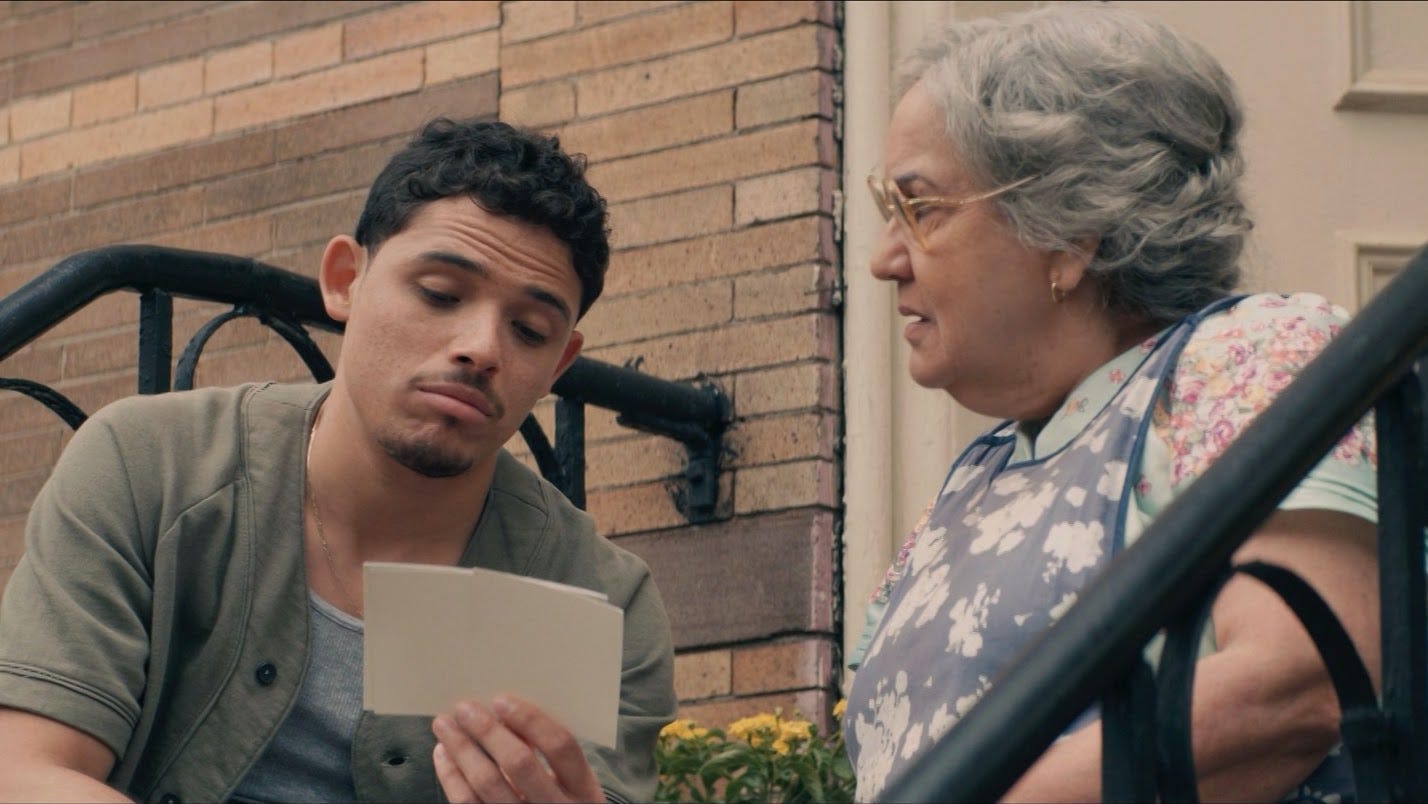
IN THE HEIGHTS (2021)
“I just want to see the whole world through her eyes” is one of the most romantic lines I’ve ever heard. It says so much with so little — about her, about him.
Yeah, I love this movie. It makes me feel good. It’s one of my handful of go-to rewatches. The vibes are immaculate. That ending is like an enormous hug as warm as the summers in Washington Heights.
Previously Reviewed in 2021 & 2022
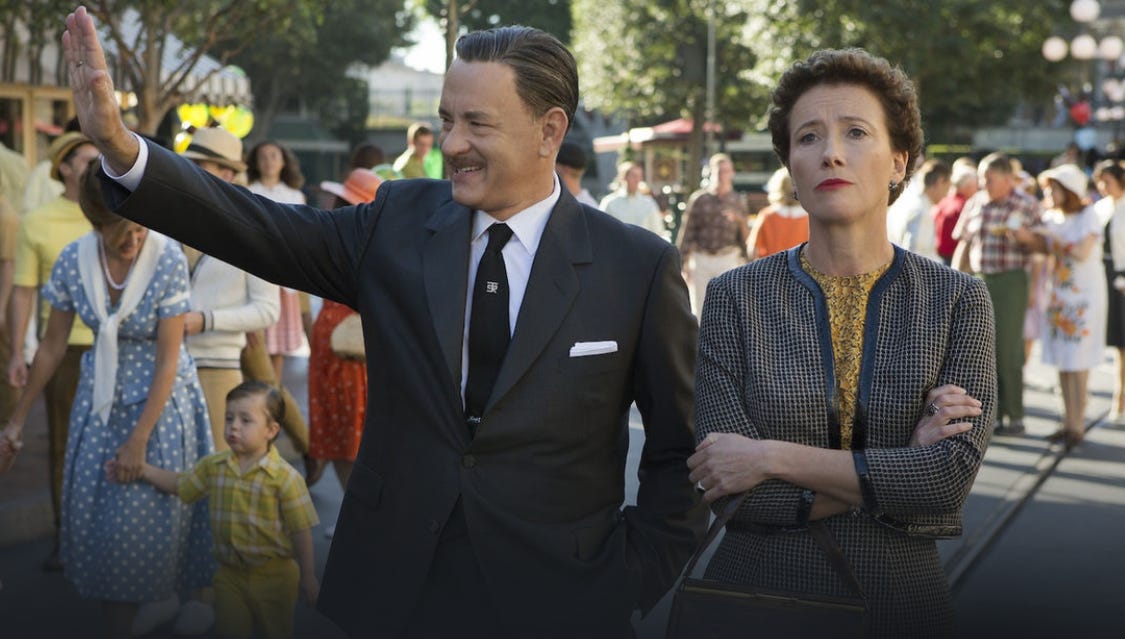
SAVING MR. BANKS (2013)
I remember really enjoying this movie when it first came out. I was still in my cinephile infancy then, so this has a special place in my heart.
Watching it now, over a decade after first experiencing it, I can’t help but feel like there is a good story here, but it’s poorly told as it stands. There is a soul at the core of this, but uncovering that soul is a laborious task to say the least. The performances do a good job at keeping this thing together, however — Emma Thompson is very fun to watch in how little fun her character is having.
COMPANION (2025)
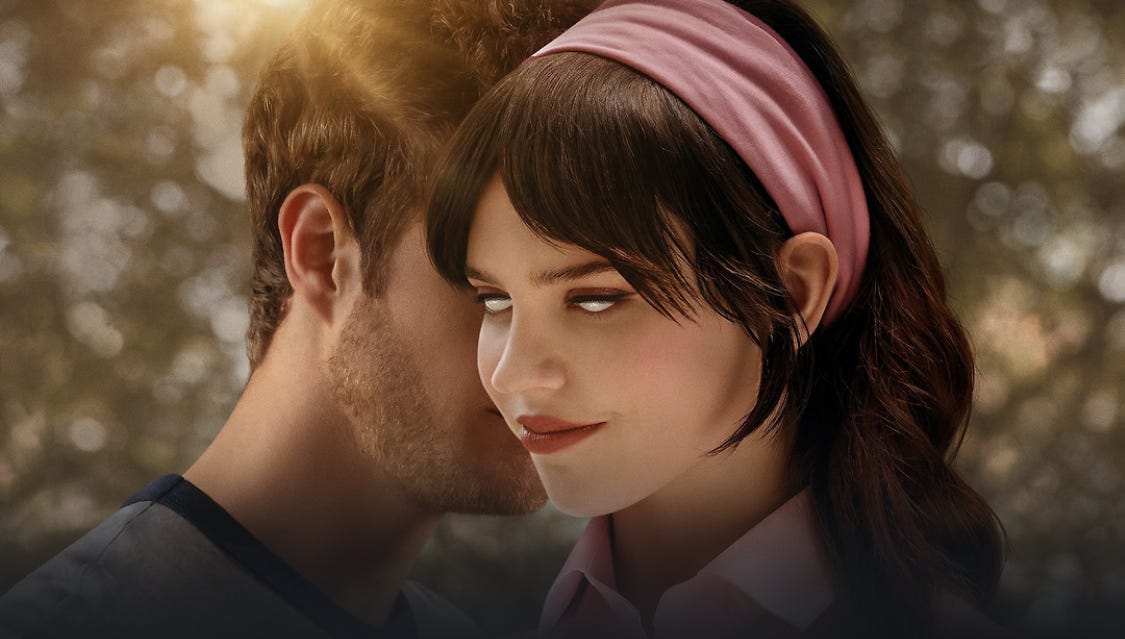
This is one of those movies that do everything just well enough to be considered a good time when all is said and done. The premise is interesting, if not utterly unique. The execution on that premise is shaky from time to time, but solid for the majority of its run. The performances are good, even if the script makes it difficult on the actors here and there. Overall, it’s one of the better genre pictures you’ll see released in the dreaded month of January.
THE APPRENTICE (2024)
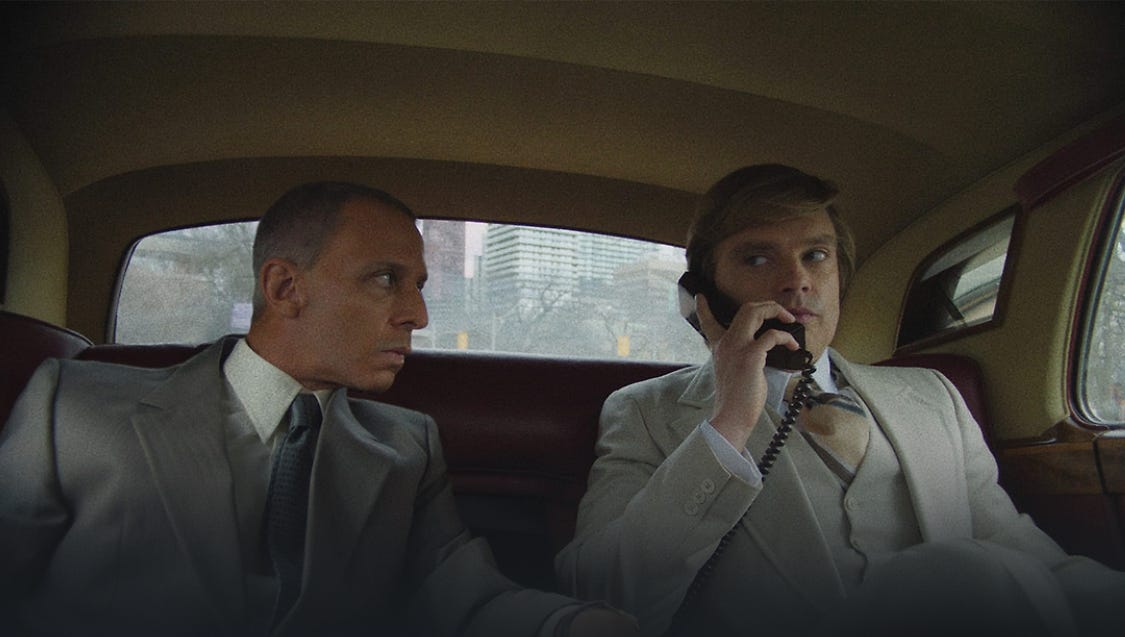
If it’s not a sign of good storytelling, it’s the work of truly exceptional performers to make us feel bad for the devil after we’ve spent time watching him do his work, and to (almost) make us root for the devil’s spawn before he grows up to raise hell. Really great stuff from Stan and Strong.
CUCKOO (2024)
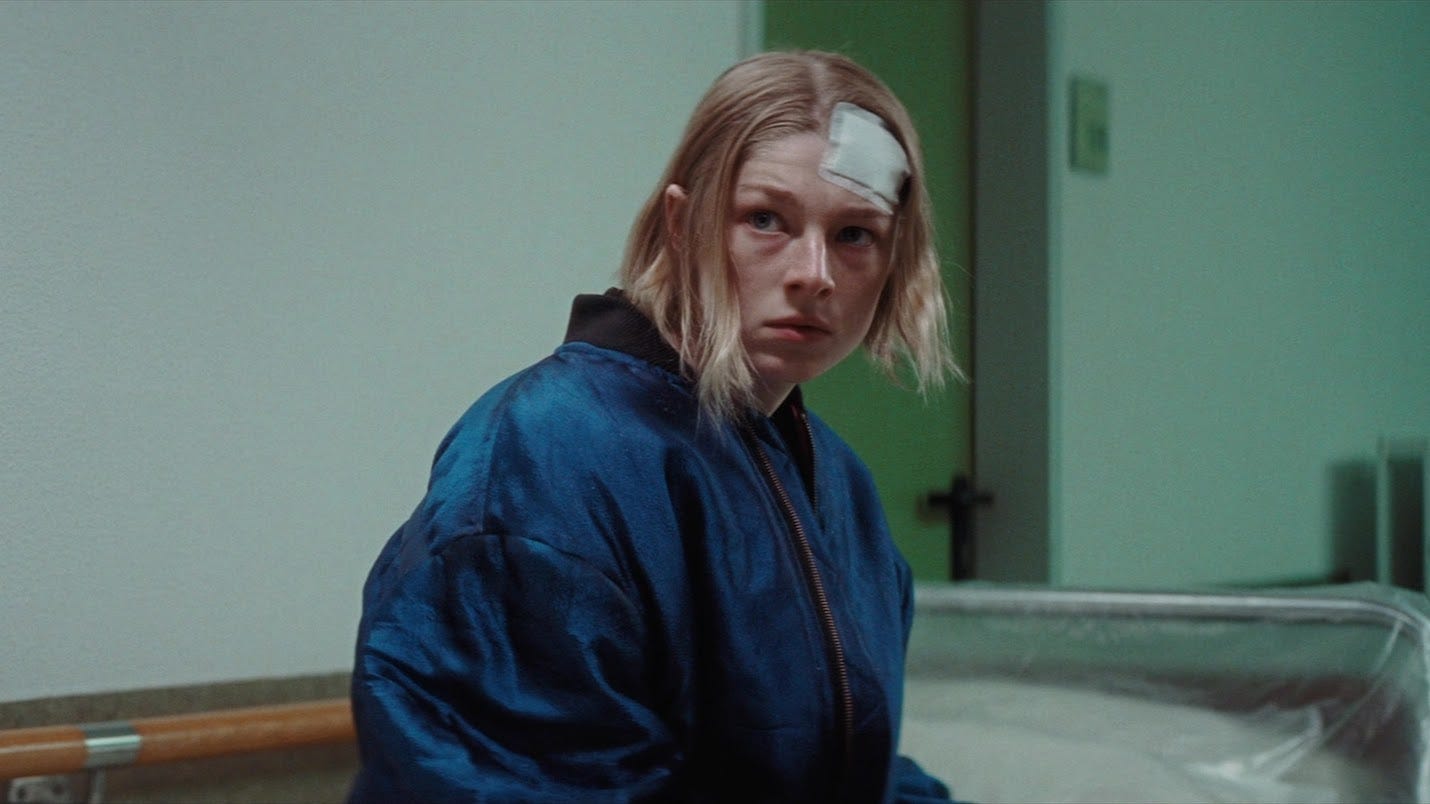
I spent so long trying to make out what the point of this was, and by the time the film decided to let us know what the point of this was, I no longer cared what the point of this was. That was ultimately a blessing, because by the end, the point of this wasn’t something I cared for in the slightest — it would have been unfortunate to remain invested until reaching that conclusion.
The relationship between the sisters got me through this.
TRAP (2024)
The twist came a lot earlier than I’m accustomed to seeing from M. Night Shyamalan, but it was still super effective — I audibly gasped when Russ suddenly appeared out of the ground during the concert. I’ve been a big fan of his for years.
THE GORGE (2025)
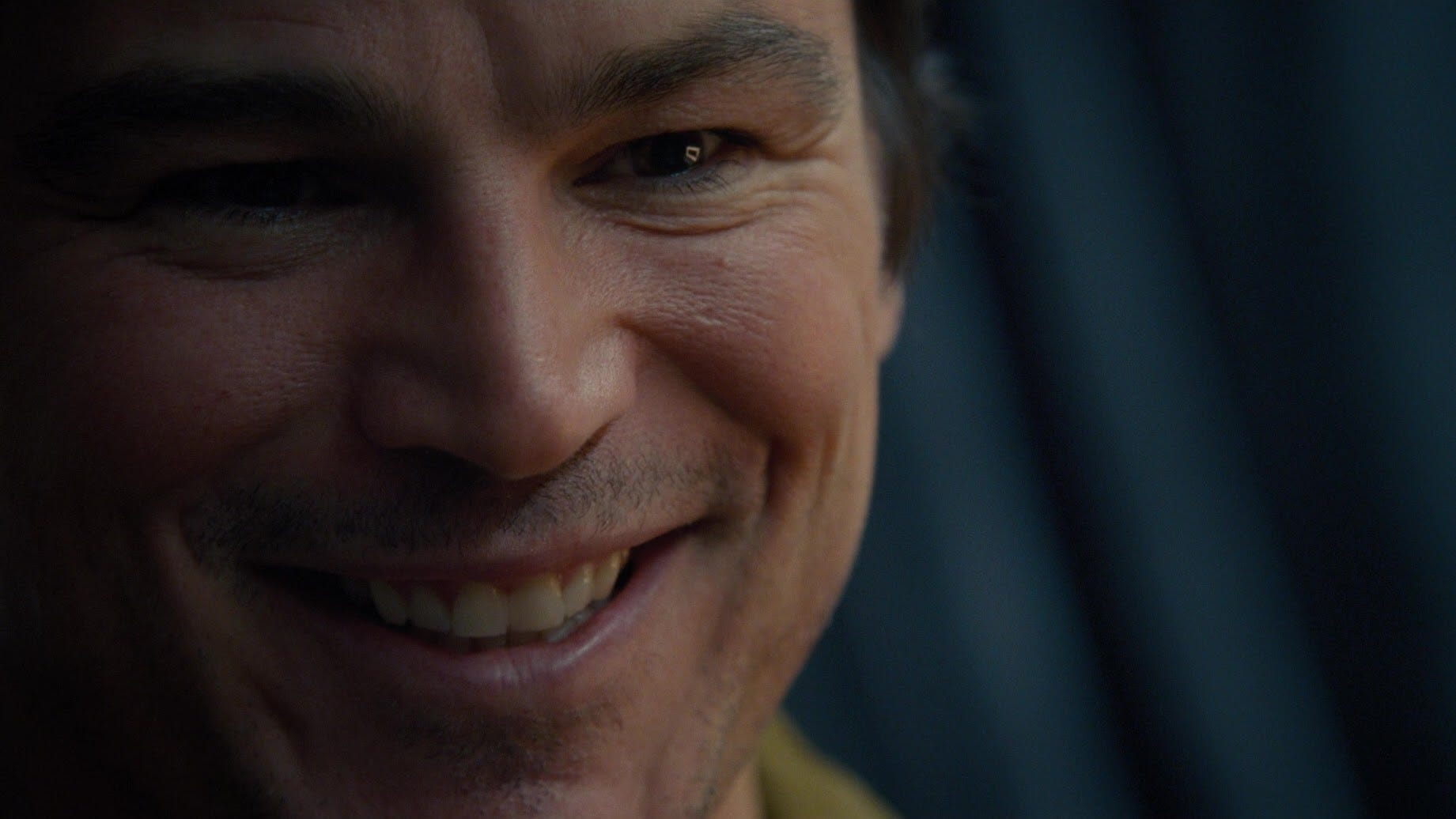
I should come up with a name or phrase for movies that are directly derailed by the midpoint after starting off on solid footing. The midpoint is generally a plot point where a story is turned on its head, for better or worse. Often, the characters enter a whole new environment. Sometimes, the story does a good job introducing us to one type of movie, and the midpoint thrusts us into a different kind of movie, as a way of turning the story on its head.
The first half of this film is about these two interesting characters learning to live with the circumstances they’ve found themselves in, separately then together. The midpoint turns this into a monster hunter action movie with a sinister conspiracy at the heart of it. I’m sure there are people that would like the second half of this better than the first, but I am not one of those people. It’s a shame the midpoint is making us choose.
MURDER ON THE ORIENT EXPRESS (2017)
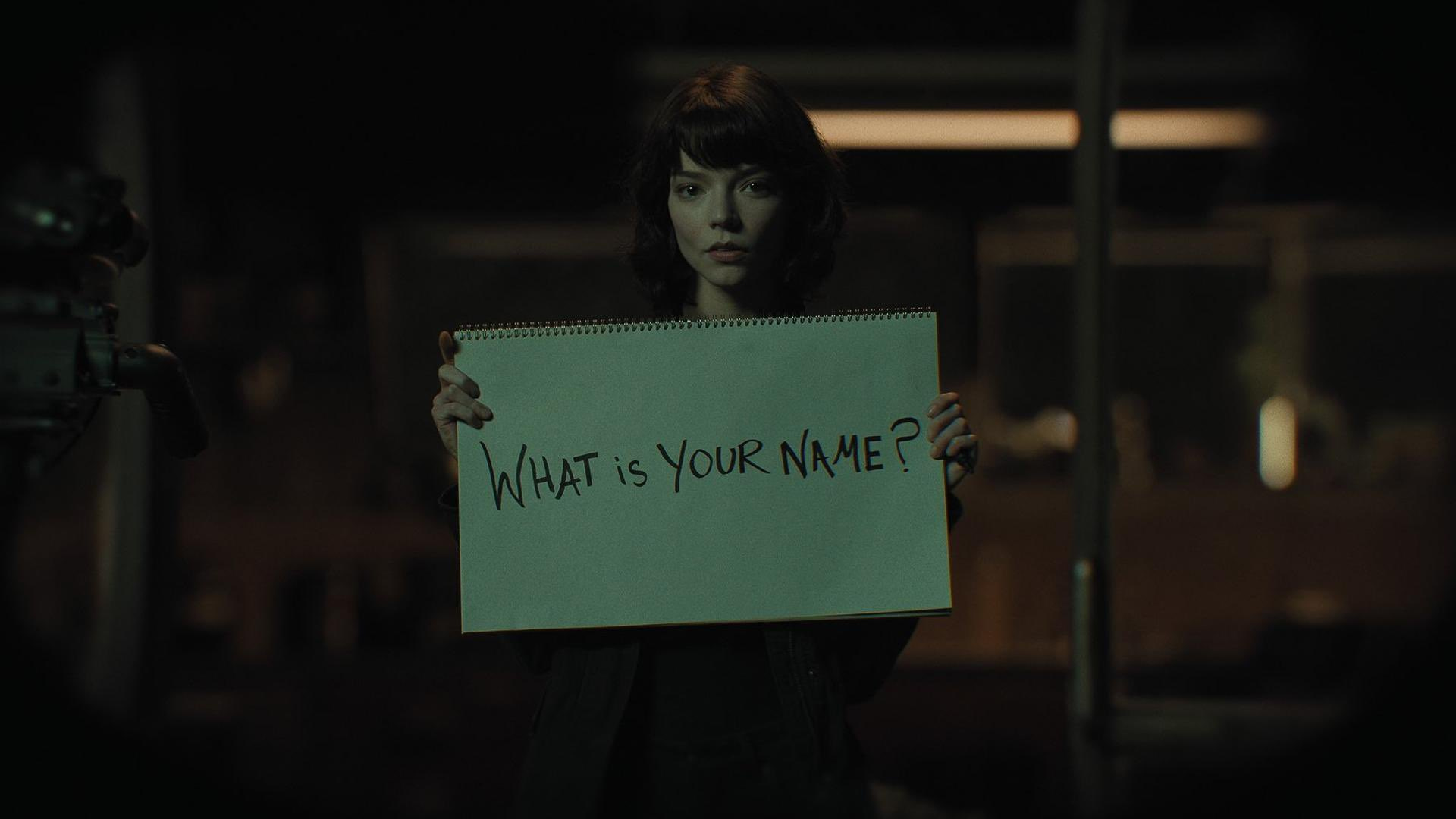
I read the book right before seeing this movie at the cinema in 2017. I remember feeling deeply dissatisfied by this back then. For my liking, it wasn’t a good enough adaptation of the novel I quite enjoyed.
It wasn’t until I read Death on the Nile, then subsequently saw the sequel to this film, that I learned to appreciate these movies for what they are. It’s an impossible task to adapt Agatha Christie’s novels with the depth and layers they require — there’s just not enough time in a movie to do so. What this film does (its successors too) is make a good-looking, earnest, entertaining movie based on the novel by the same name. 7+ years removed from reading said novel, I can finally appreciate this film for what it is.
THE MONKEY (2025)
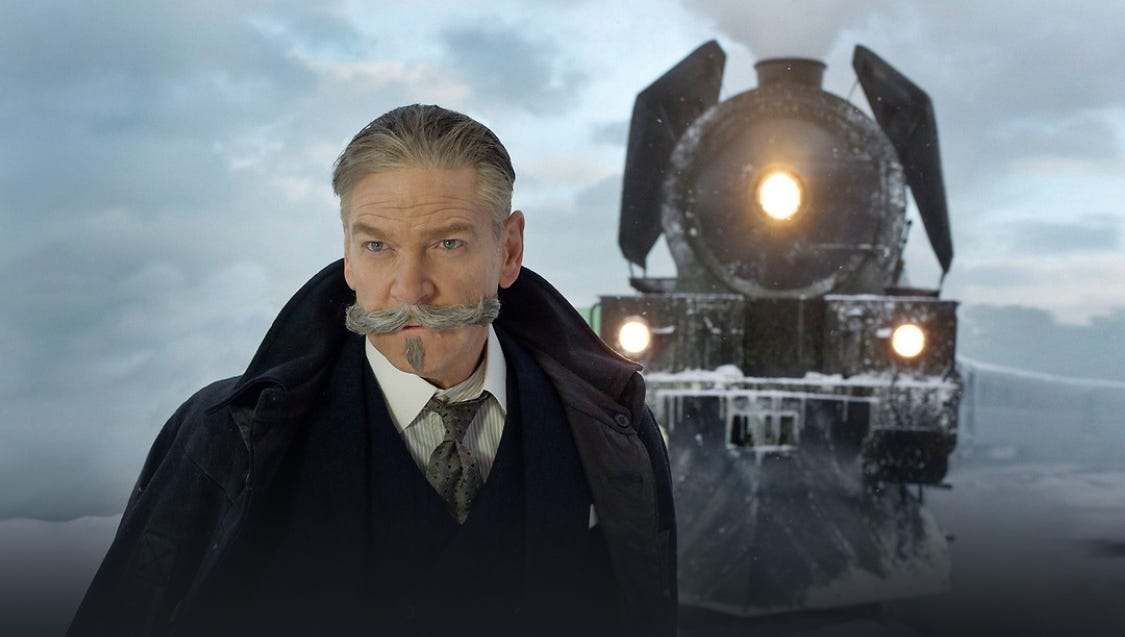
Osgood Perkins is stacking up a filmography of movies that are close to being genuinely good but don’t quite get there. One thing that I’ve learned to absolutely expect from his films is for them to look beautiful — he makes very pretty genre pictures; this one is no different.
I know this movie is based on a Stephen King short story, but even if I didn’t know that, I would have guessed it was after only about a third of the way in. I don’t even know if this is a faithful adaption, but it sure as hell feels like one. I say all of the above as a compliment to the filmmakers.
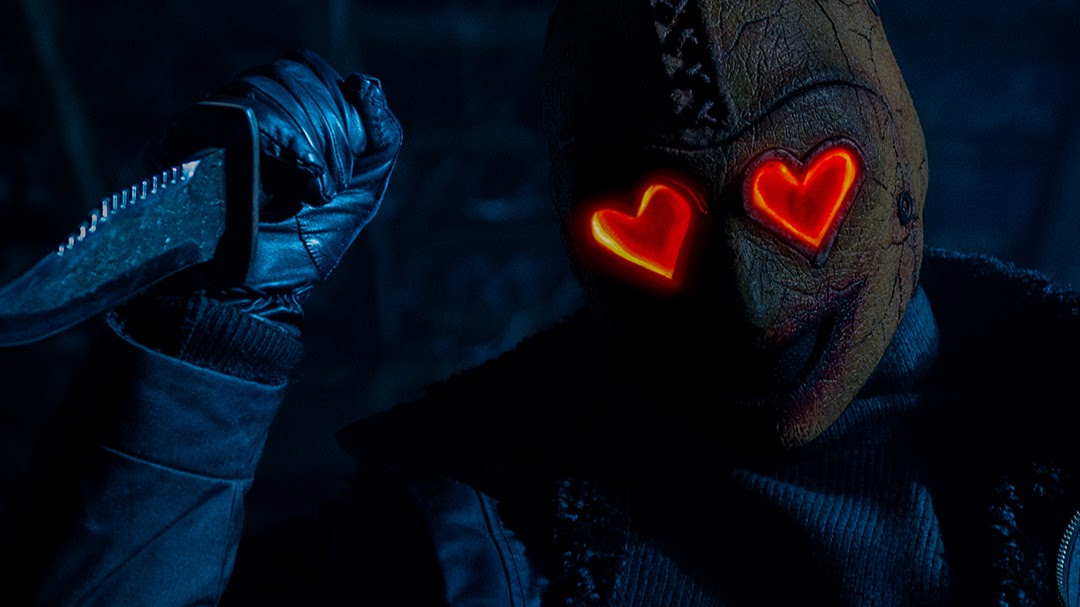
HEART EYES (2025)
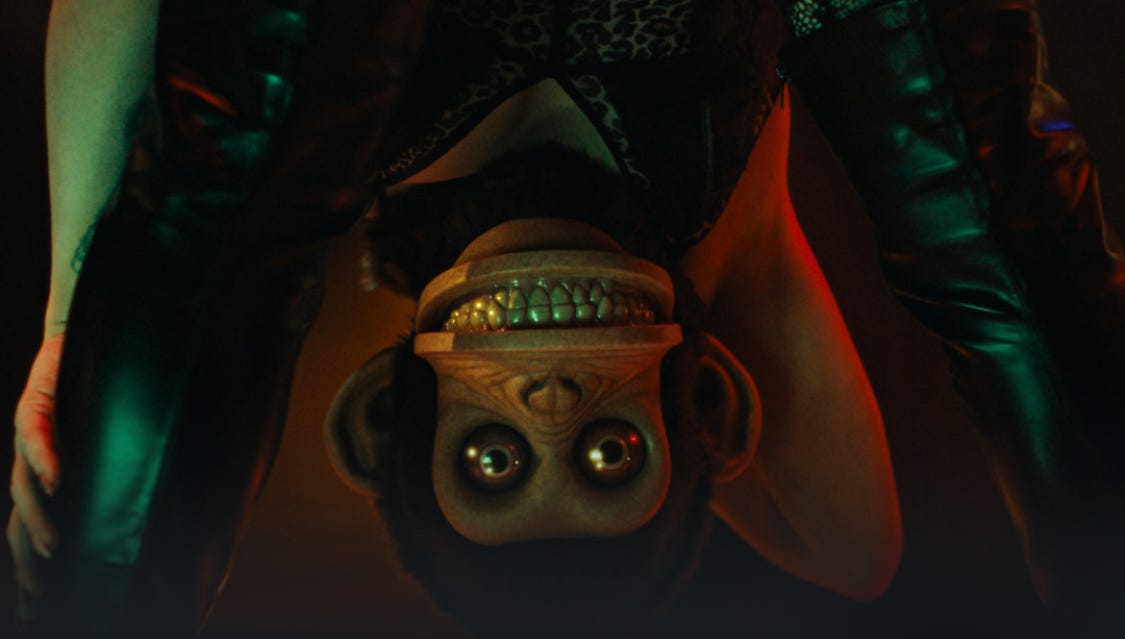
One of my favorite Romantic Comedies in recent memory. Make no mistake, this is a Rom-Com first and a Horror/Slasher second. The former is unquestionably benefitted by the presence of the latter, but its identity is never in question — the film goes out of its way to insist that it is a Romantic Comedy.
It starts with a Slasher cold open, but swiftly establishes itself as a Rom-Com and ends as such, leaving the Horror fans hanging. Then the mid-credit scene comes in, teasing the Horror fans, then pulling the rug from under them yet again — really well done. I respect the filmmakers for sticking to their guns. It makes this movie a genuinely unique Rom-Com, instead of just another run-of-the-mill Horror Comedy.
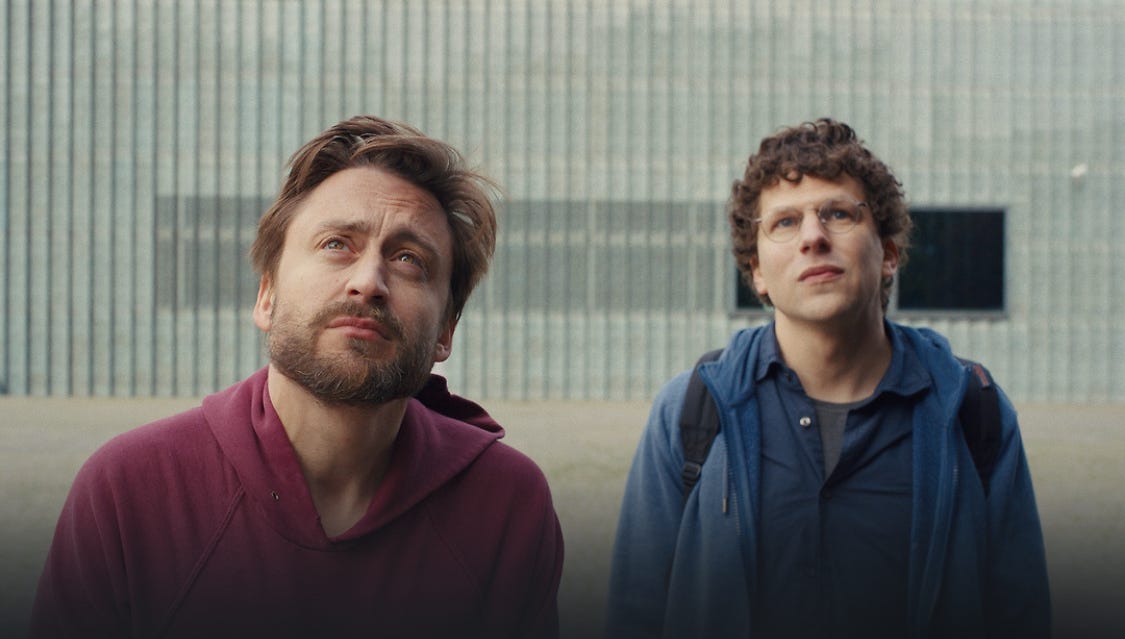
A REAL PAIN (2024)
This is a small story about two cousins on a trip to their ancestral motherland — it’s so tactfully told, so delicately delivered. It explores such enormous topics as the experience of human suffering and the importance of human connection to overcome and make sense of it all.
Hats off to Jesse Eisenberg, who with his pen and his direction, deftly brought to life characters that feel real, filled with the flaws and complexities that make us human. Oh, and to act as one of those characters, delivering one of the best performances of his career, makes this feat nothing short of an absolute triumph.
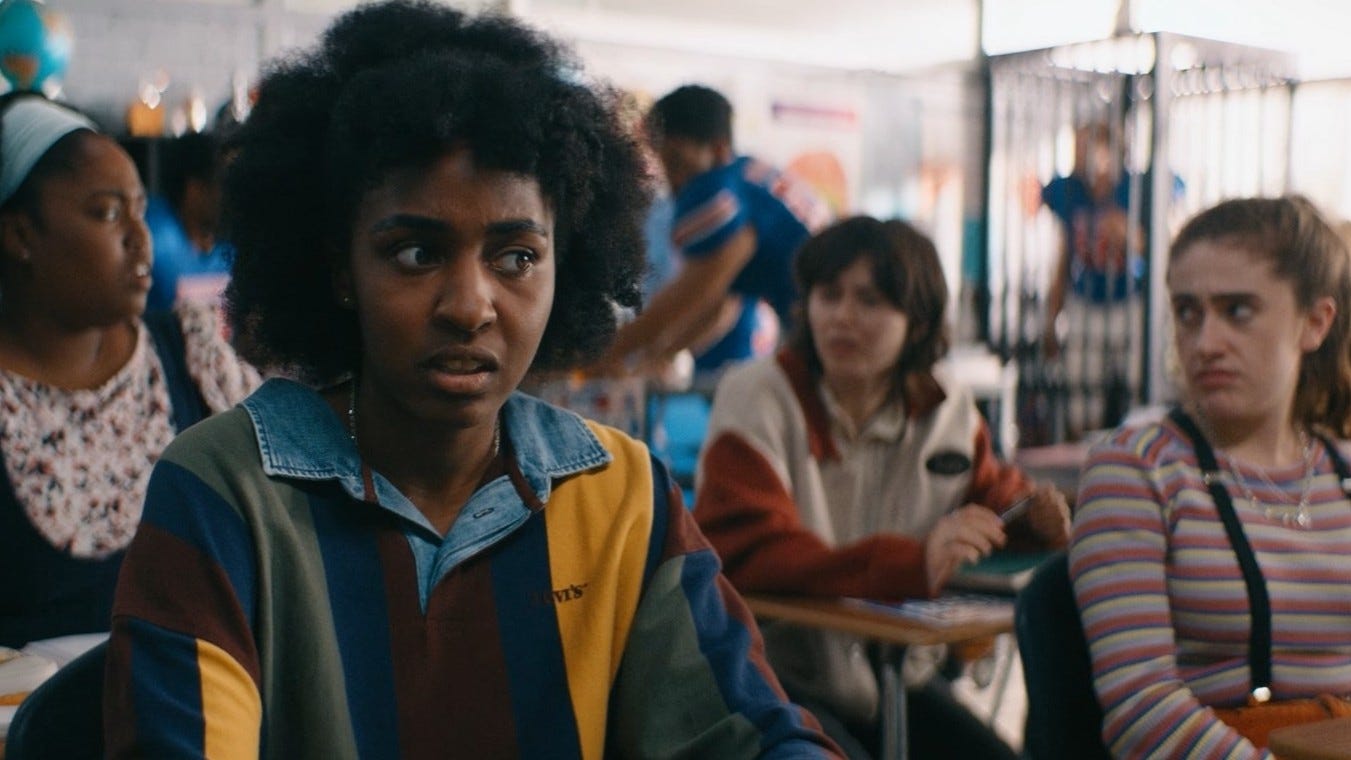
BOTTOMS (2023)
Is this not quietly one of the best comedies released this decade? It’s legitimately funny, it has something to say, it looks nice, the performances are great, it balances over-the-top and grounded well. Yes, it’s a good comedy, but it’s also a good movie with a real, unique voice.
Previously Reviewed on December 17, 2023
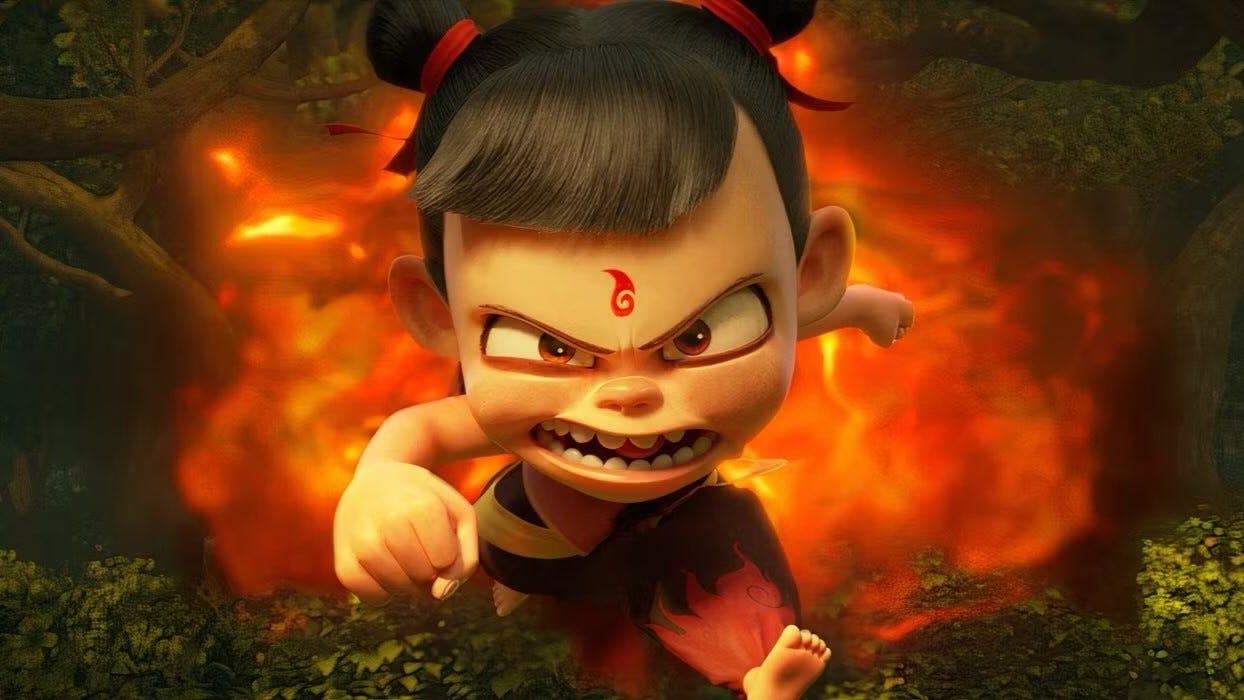
NE ZHA (2019)
There isn’t a boring choice made in the entirety of this movie. Time and time again, they decided on an utterly absurd choice over a bland choice, even if the bland choice would have sufficed for the story’s needs.
The most impressive thing about this film, however, is that, after everything this little shit said and did during the nearly two-hour runtime, they managed to make me sympathize with this demon child. He wears his insecurities on his sleeve while he’s being an absolute pain in the ass.
NE ZHA 2 (2025)
This is everything you could have fathomably hoped for in a sequel and more. First and foremost, it’s less silly than the 2019 film. Just like its predecessor, the heart of this story sneaks up on you and punches you hard, through to your soul. The fight sequences were maybe the best I’ve ever seen in animation — genuinely jaw-dropping moments of technical achievement.
I’m thrilled to see how successful this movie has been — the only reason I knew of its existence was all the headlines saying it broke Disney’s record for the highest grossing animated film of all time, undoubtedly destined to become the first to ever cross the two-billion dollar milestone.
THE WAR OF THE ROHIRRIM (2024)
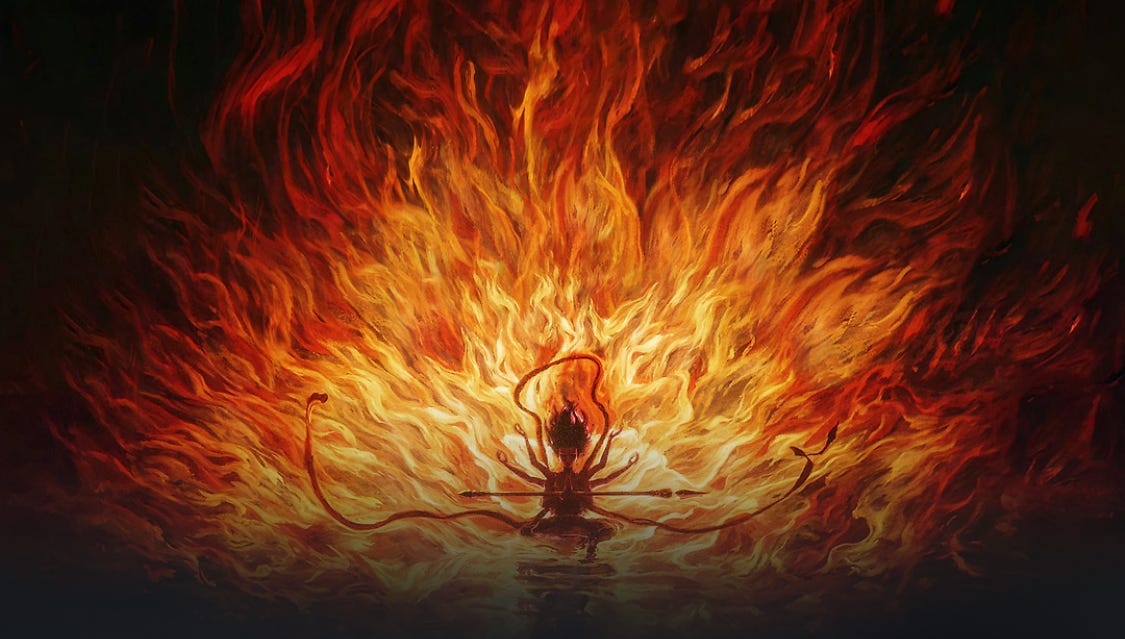
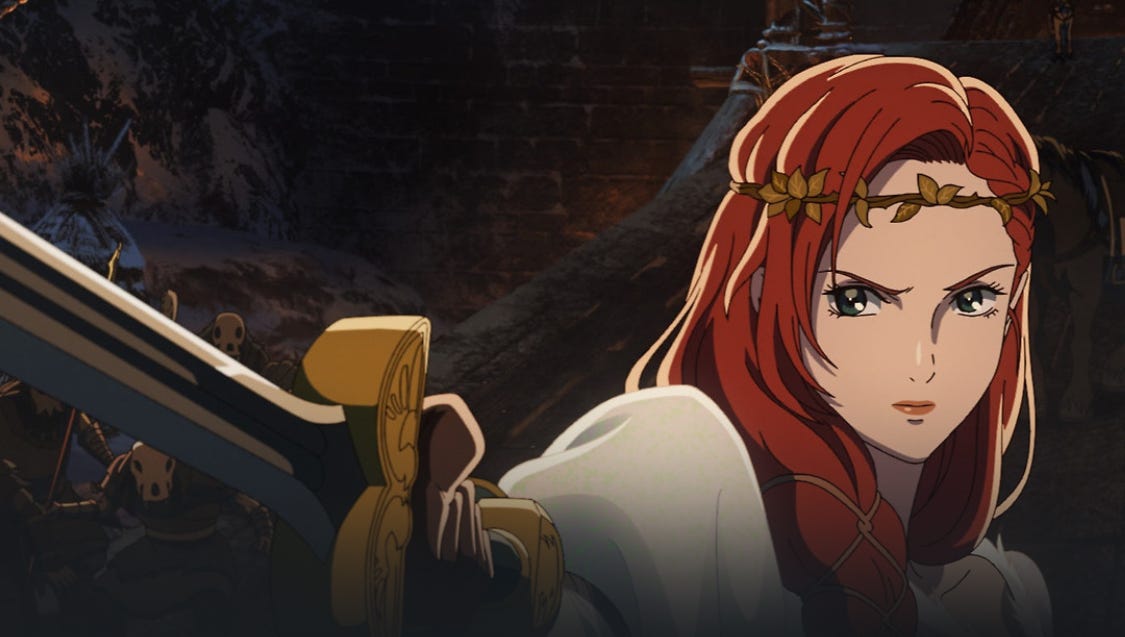
With a modest budget, a PG-13 rating, and a runtime of over two hours, I was hoping this film would provide more meat on its bones than it did. Interesting characters were introduced and a grand story was told. I think maybe the grand story of it all stood in the way of the interesting characters of it all. But as mentioned above, the film had the resources to strike a more satisfying balance (says this one audience member who prefers to find the depth in stories to be disproportionately allocated toward character).
Upon doing some research into the production of this film after my initial review, I came across a statement that alleged Warner Bros fast-tracked this to ensure New Line Cinema (a WB subsidiary) did not lose the film adaptation rights for Tolkien’s novels. This certainly adds context to my feelings toward the lack of depth in the final product.
GLENGARRY GLEN ROSS (1992)
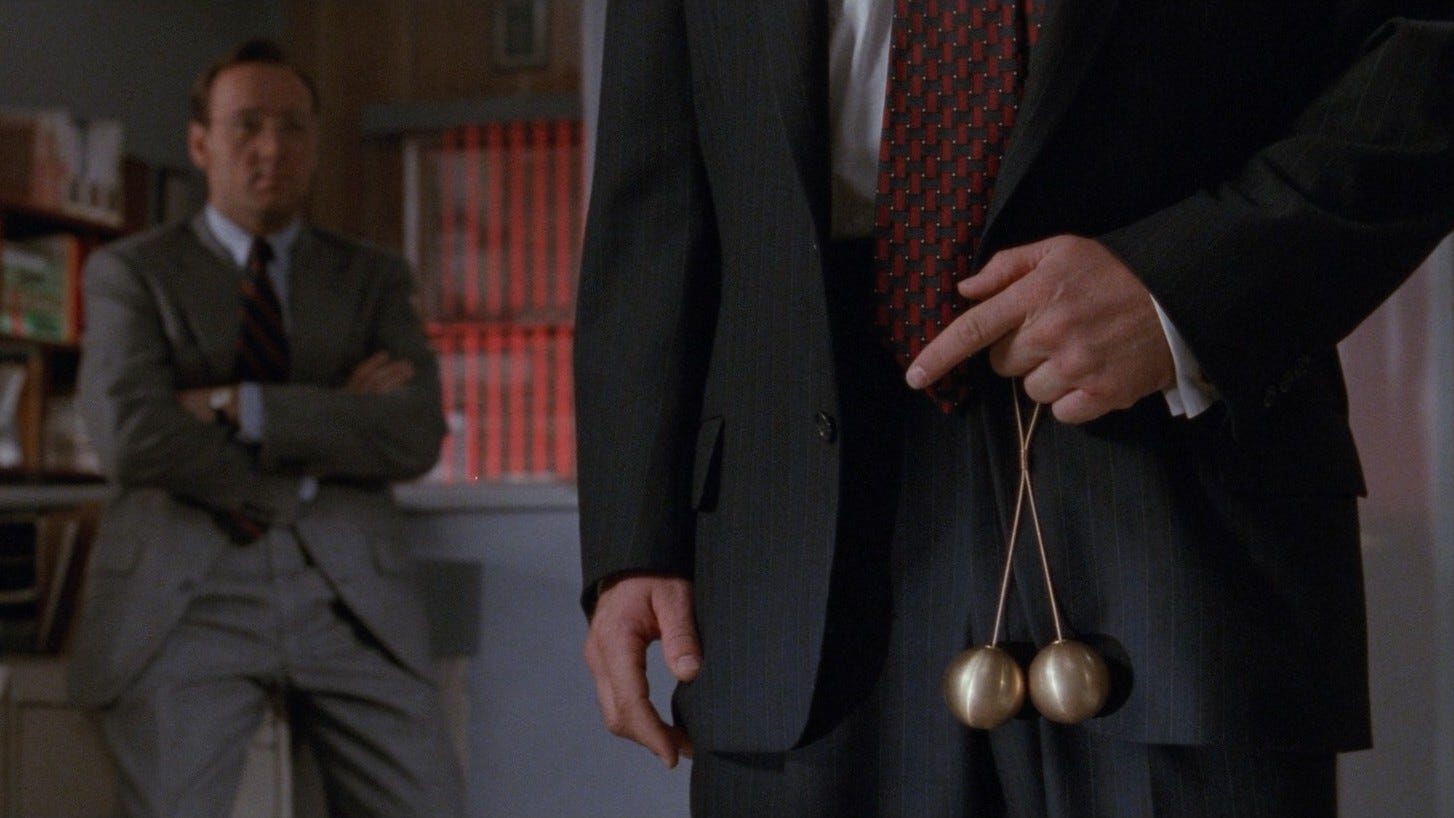
One of my favorite cinematic genres is the great adaptation of a great play. The script is bulletproof, as plays must be. The actors have fleshed out, meaty roles to slip into and prance around in. The direction and cinematography can remain simple, and therefore, are primed for creative flourishes by the artists.
This film is one such great adaptation of a great play.
BO BURNHAM: INSIDE (2021)
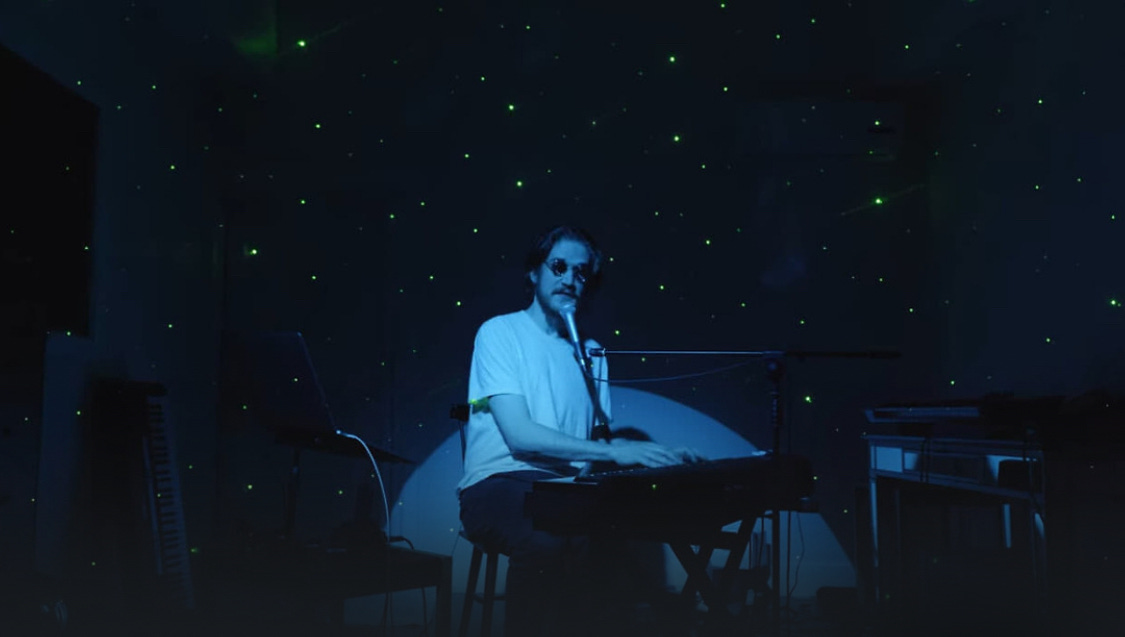
This really feels like a piece of art beyond cinema, beyond stand-up comedy, beyond whatever box you want to put it in. This is a creative genius dumping all of his pent-up creative energy into a single project, completely unshackled, unaffected by the expectations of anybody other than the man in the mirror.
The songs are a good example of Bo Burnham firing on all cylinders. But it’s the interludes where it really seems like Bo is flexing his creative muscles. It feels like he was just bored out of his mind, got a random idea or had something to say, and felt compelled to get to work on bringing it to life. Pure, unadulterated art by an artist in his prime.
Previously Reviewed on June 7 & September 27, 2021
LOOKING FOR ALASKA (2019)
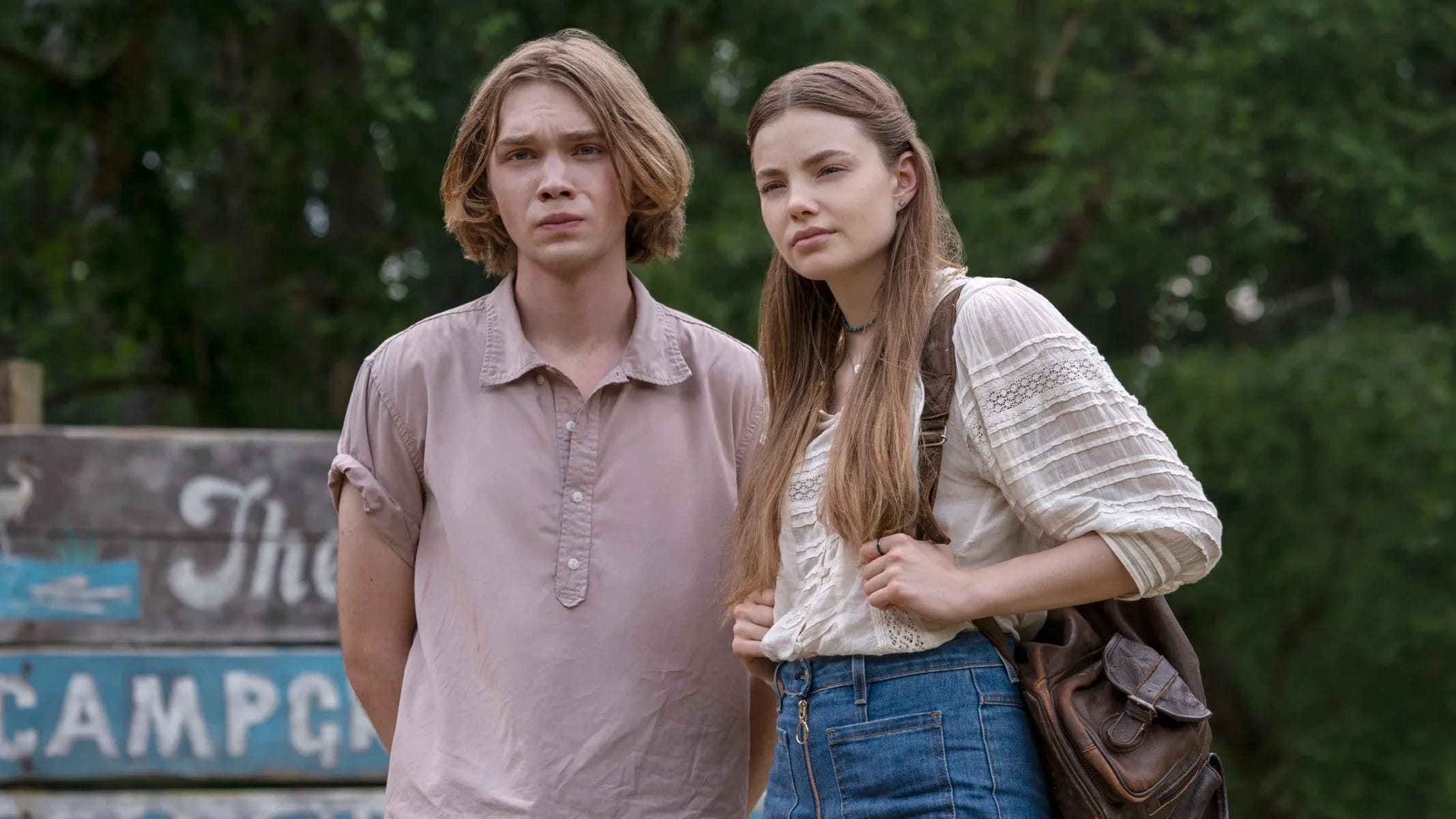
“If you take Alaska’s genetic code and you add her life experiences and the relationships she had with people, and then you take the size and shape of her body, you do not get her. There is something else entirely. There is a part of her greater than the sum of her knowable parts. And that part has to go somewhere, because it cannot be destroyed.”
So many changes were made to the book to fill eight chapters at nearly an hour per episode. The changes were made with the source material’s heart and soul in mind, which is all we can ask for as fans of the book.
Miles’ monologue to end the series was altered to better fit the story being told on screen. The above segment, however, holds so much of this story’s heart and soul — it’s fitting that the words recited by actor Charlie Plummer here match those written in John Green’s novel, verbatim.
GRAVE OF THE FIREFLIES (1988)
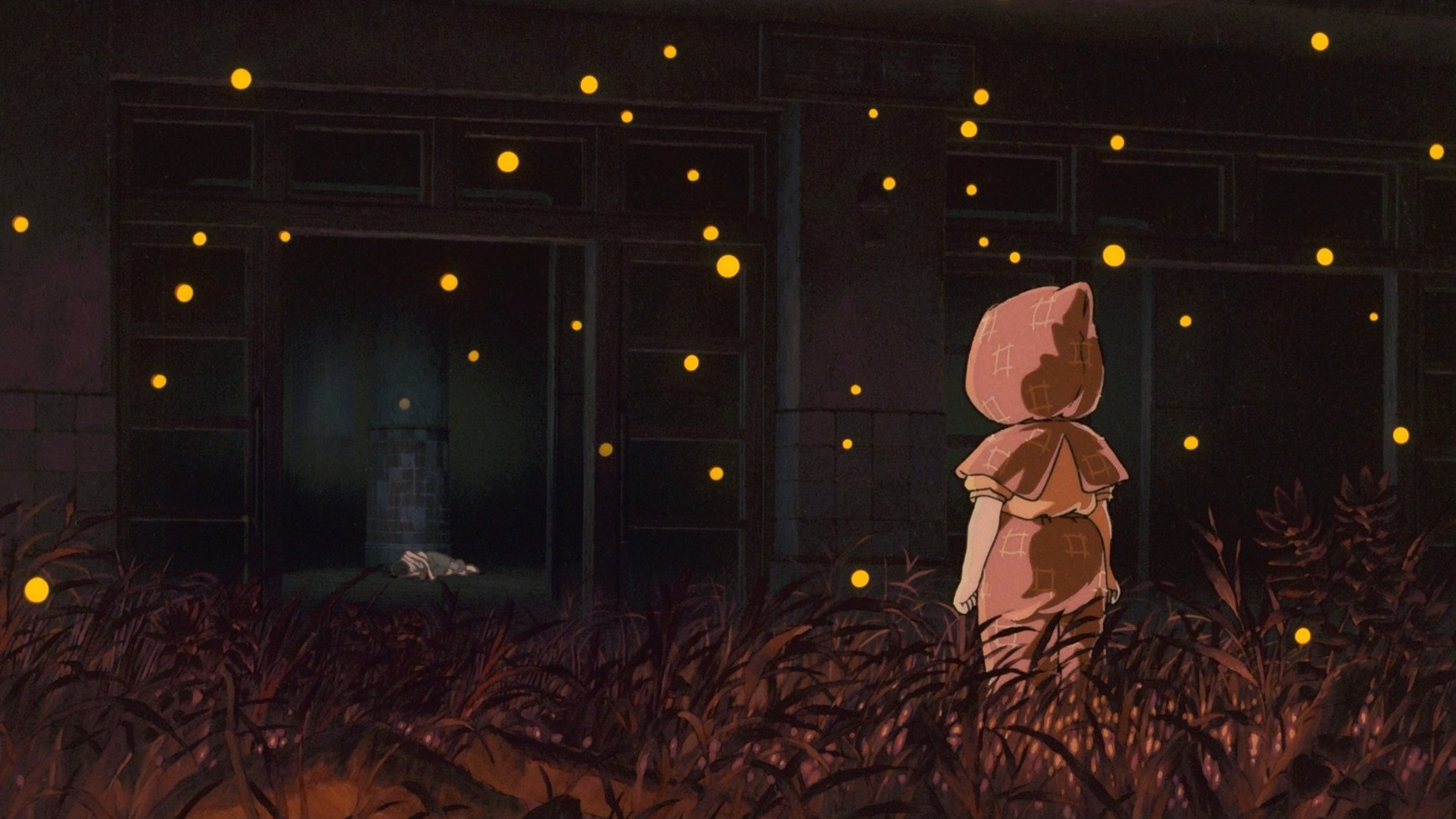
Around the point Setsuko was eating marbles and wanting to feed her brother rocks, I was prepared to write “every minute from this point forward was diabolical.” But then I thought about the scene before that one and the scene before that one and the scene before that one. I watched the final scene, then went back to rewatch the opening scene. It was only then that I realized every minute from the very first minute was diabolical.
What a stunning, heart-wrenching film.
SPIRITED AWAY (2001)
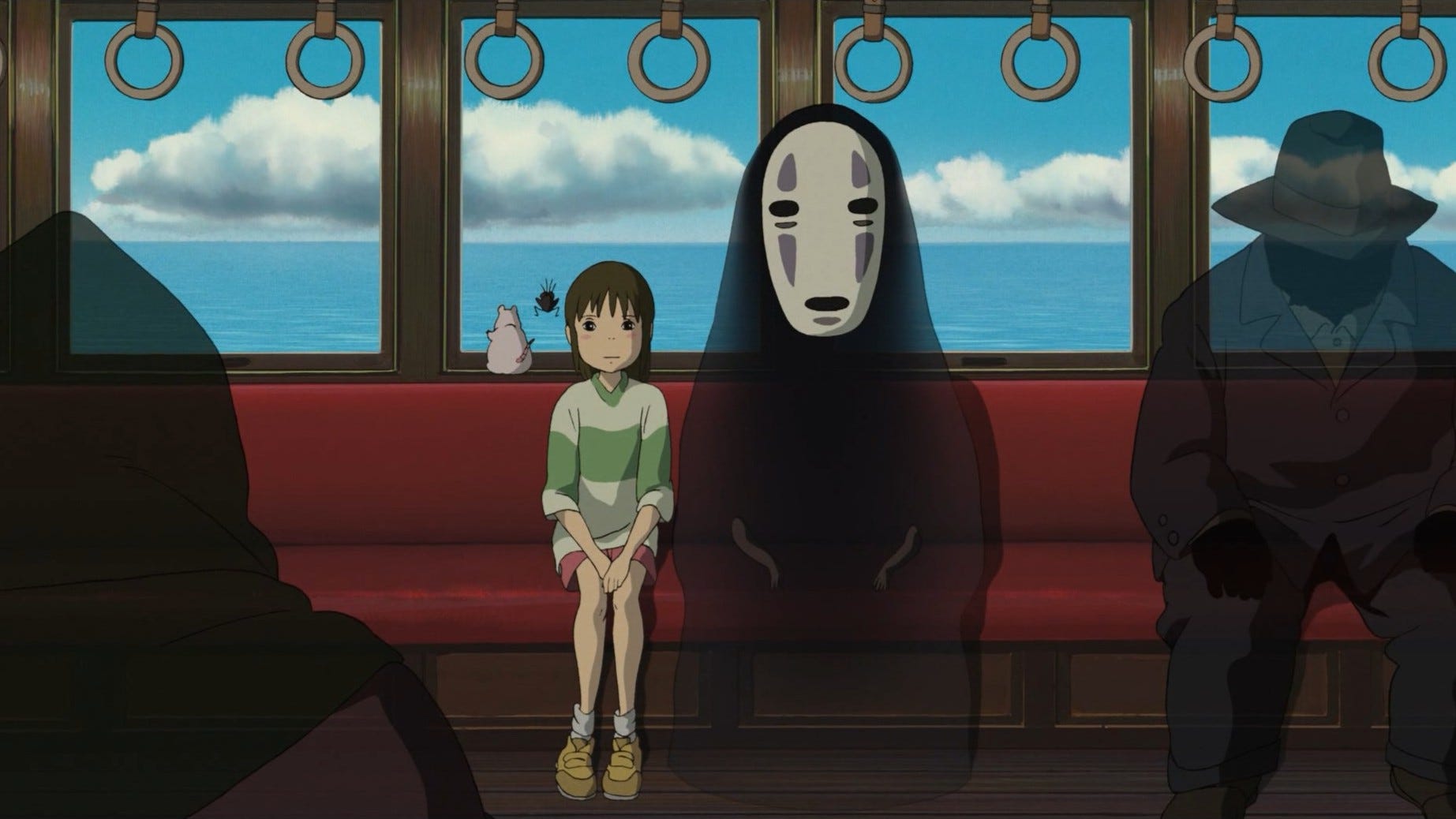
Only God and Hayao Miyazaki know what the hell was going on here. What do this man’s dreams look like? What do his thoughts present to him while his mind wanders? Oh, to spend a day in his head…
Moment to moment, anything and everything could happen. Thematically, I was following (mostly). Chihiro was established as a sympathetic protagonist almost instantly, so following along through the chaos did not feel like a chore. Watching this was like being on a train, gazing out at my surroundings — I had no idea what was up ahead, but the view from the side is a beautiful one, so I’m peacefully leaning against the window, enjoying every second.
DEATH OF A UNICORN (2024)
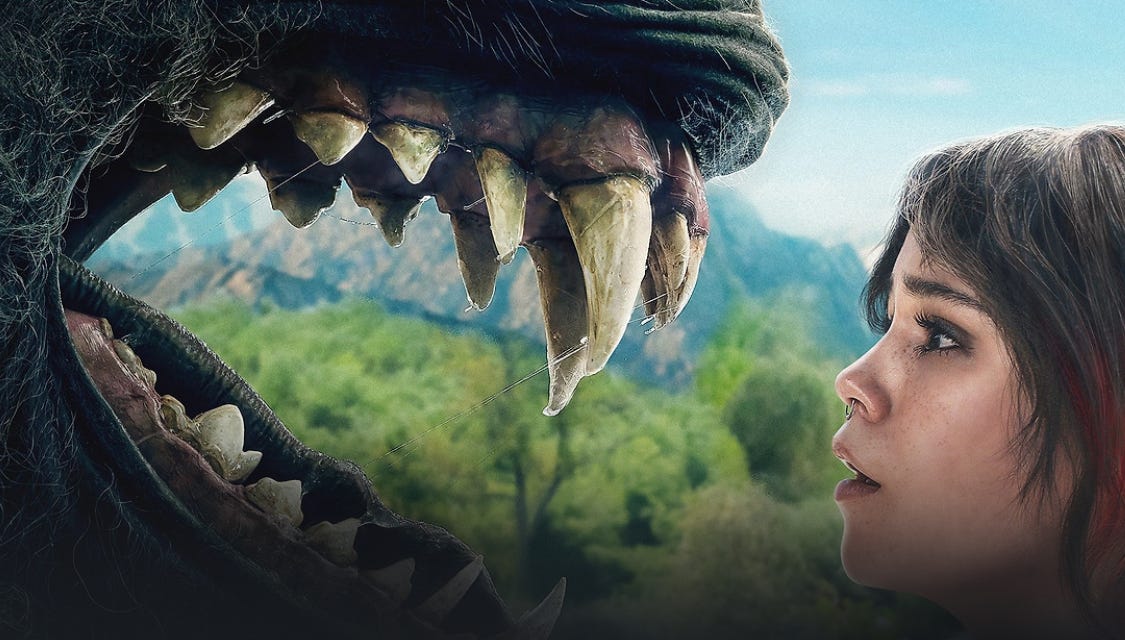
It’s a very specific kind of disappointment that I feel when the beginning and end of a film feel like they really belong together, but the whole feels bad while those parts feel good. It’s the kind of disappointment that comes from a story that seems to know what it wants to say, but spends the entire film saying anything or everything else.
There’s a really solid story about the relationship between this father and daughter in here somewhere, but I fear it can’t be unearthed from the movie we’ve been delivered.
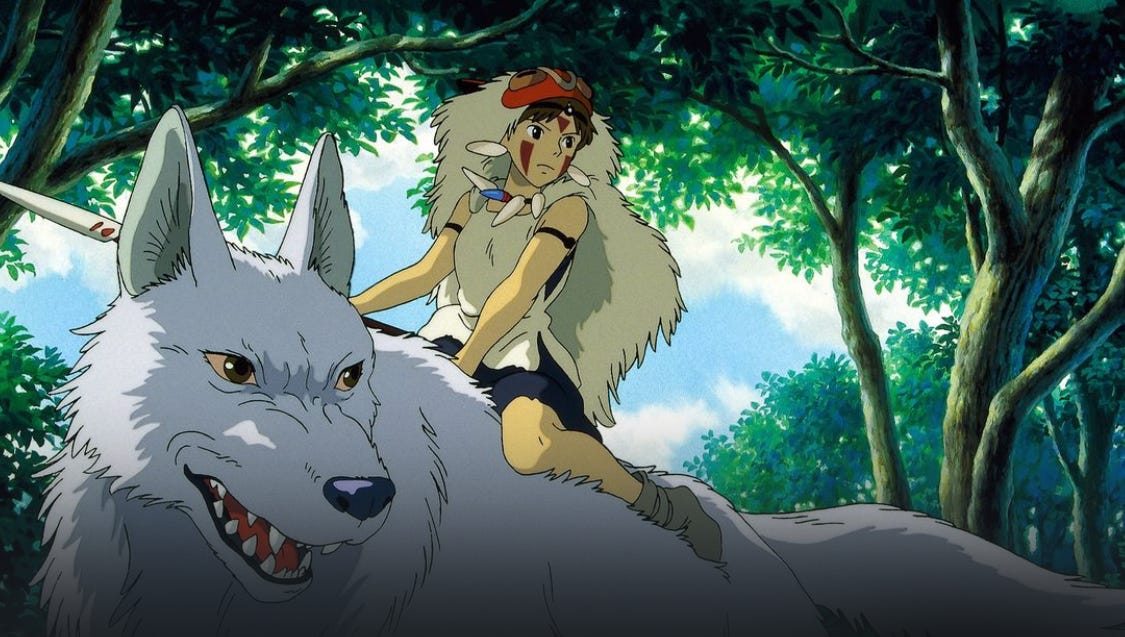
PRINCESS MONONOKE (1997)
This is a familiar story told better than the others you’ve heard or seen. It’s a familiar animation style that’s beloved by so many around the world. It’s structurally and allegorically far more accessible than Spirited Away, but it’s no less fruitful in what it has to say. It’s a classic fantasy story about the battle between man and nature, told only how Hayao Miyazaki can tell it.
Let the record show I watched this for the first time in a packed house for an exclusive 4K IMAX screening. What a treat.
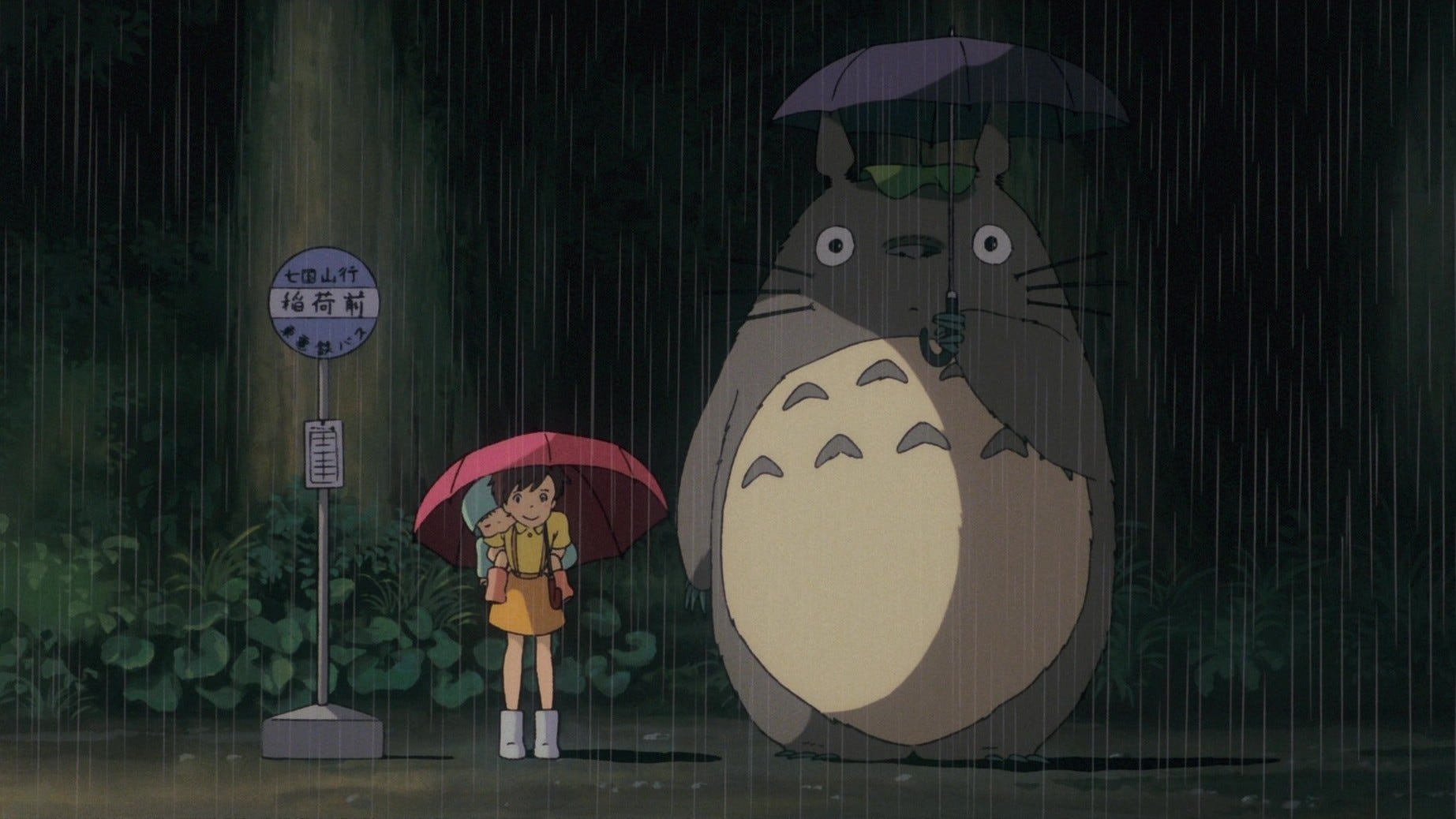
MY NEIGHBOR TOTORO (1988)
It’s insane to think about the fact that this film and Ghibli colleague Isao Takahata’s Grave of the Fireflies were released as a double bill in 1988. The vibes are quite literally polar opposites. Where the latter is grim from start to finish, this film is like a warm hug from the first minute to the last. In Grave, when things seem bright, they end up dark. In Totoro, when things seem dark, they end up bright.
I really hope they screened this film second, because frankly, the alternative would be inhumane.
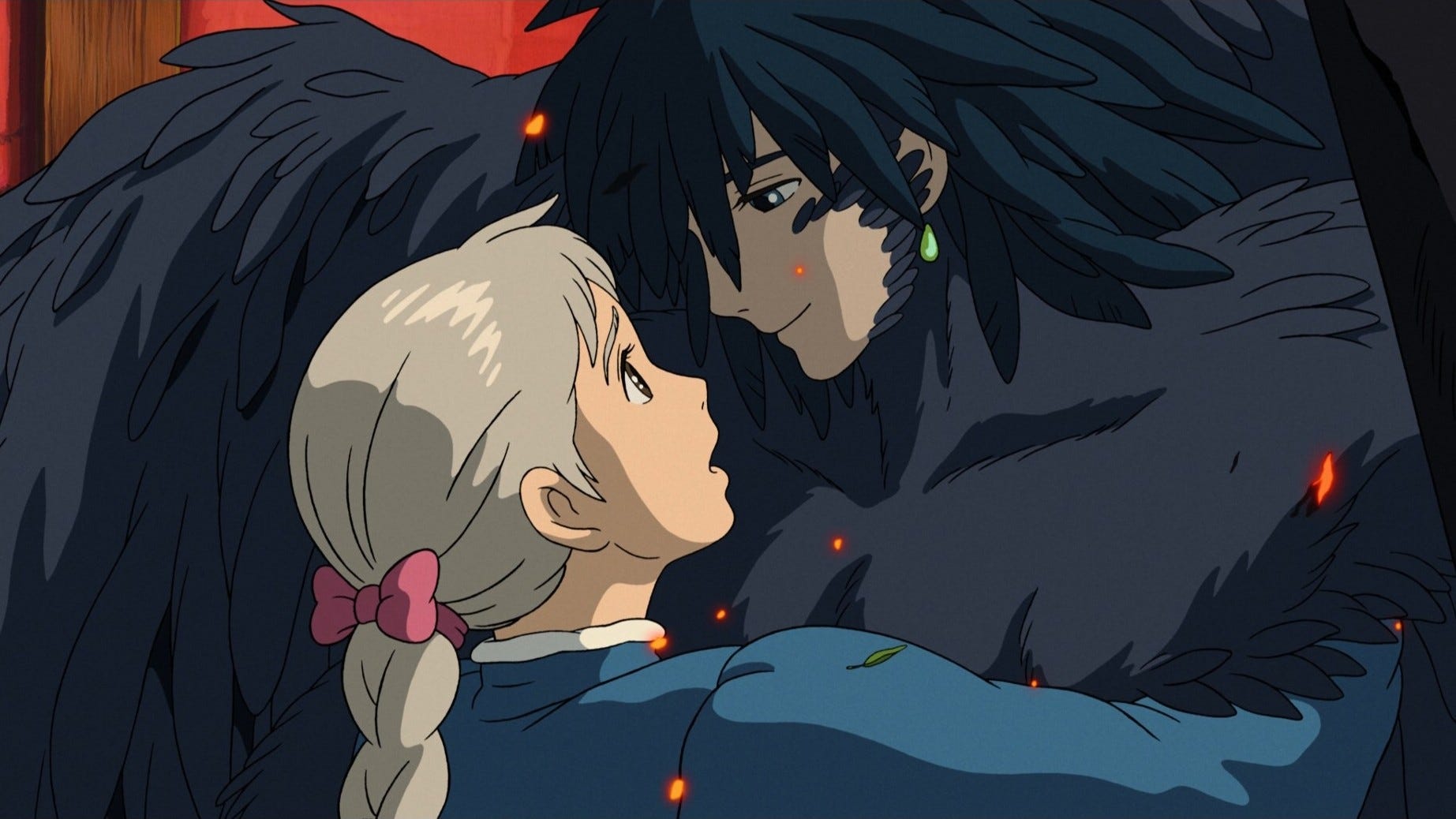
HOWL’S MOVING CASTLE (2004)
I think a moment that really, truly epitomizes the pure, innately wholesome tone that Miyazaki’s movies strike happens at the end of this film:
In order to save Howl’s life and free the fire demon, Sophie desperately needed to retrieve Calcifer from the grasp of the Witch that cursed her at the beginning of the story, turning her into an elderly woman, with all the struggles that come with inhabiting such a body. She doesn’t fight the Witch, who is frail and decrepit now, easily defeatable. She doesn’t scream or shout or threaten to hurt her if she doesn’t hand Calcifer over. Without hesitation, Sophie wraps her arms around the Witch, tears in her eyes, and says, “Please give him back.” When the Witch concedes, Sophie gives her a kiss and tells her she has a big heart.
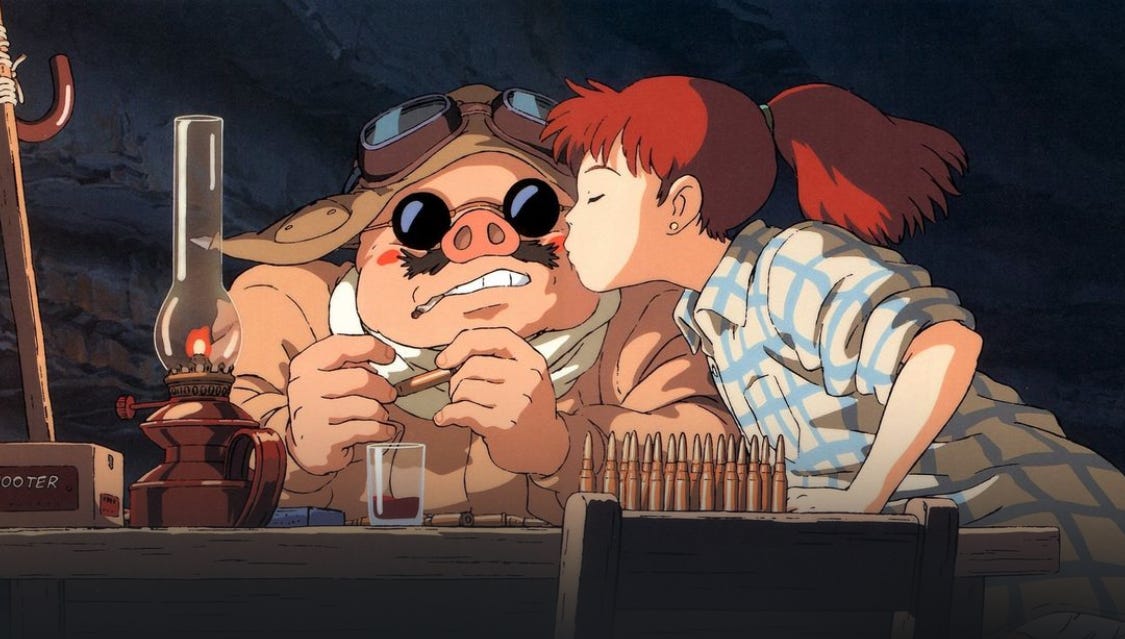
PORCO ROSSO (1992)
Of the five Miyazaki films I’ve seen so far, this was by far the most grounded in reality.
That said, the protagonist is a war veteran who the ladies love who happens to be a pig, there’s no shortage of strong female characters, the aviation sequences were dazzling in their animation, and the film was overall bursting with the eccentricity I’ve come to love about Miyazaki’s work.
PONYO (2008)
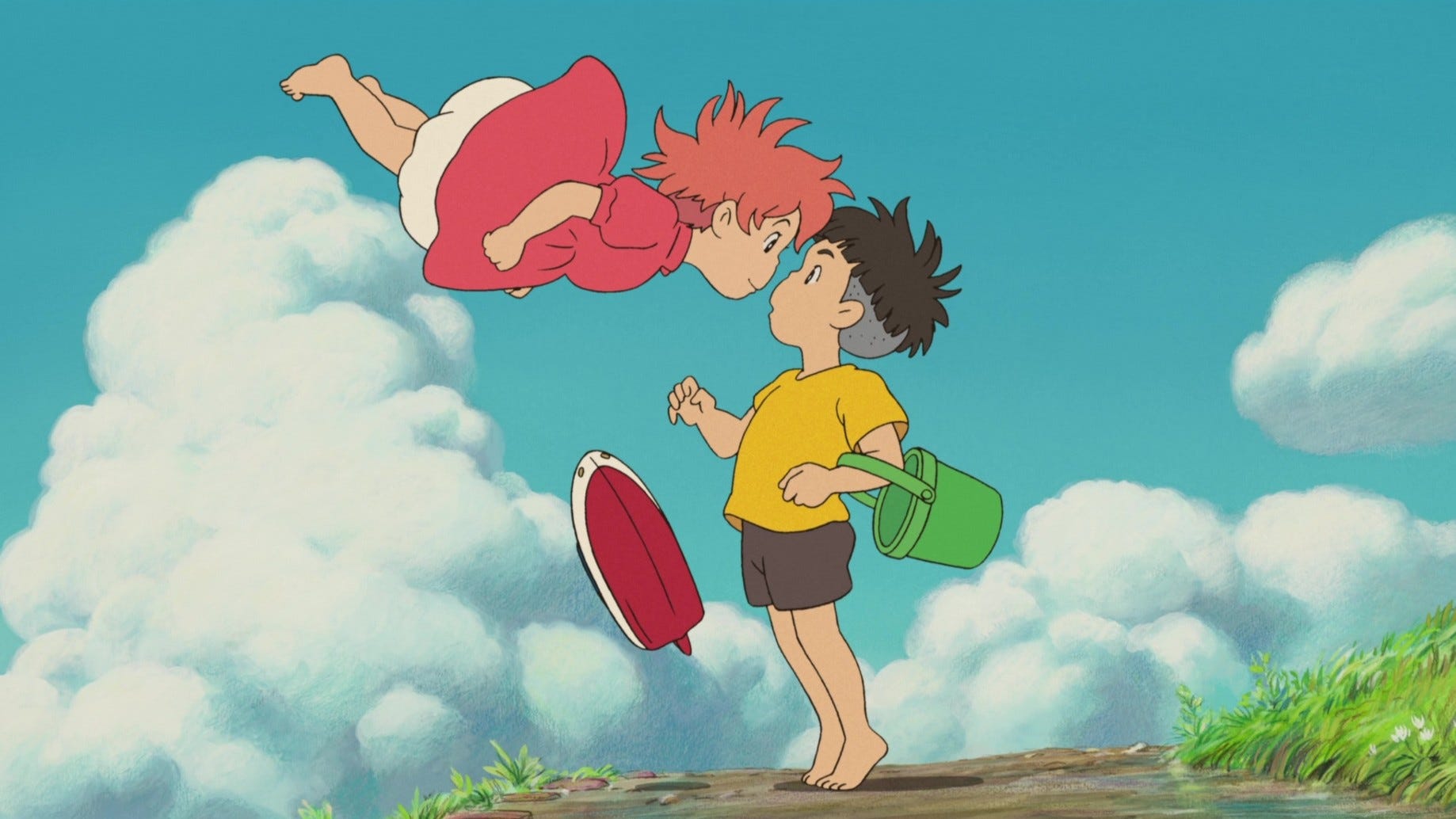
This movie was as colorful and as full of life as I expected. Ponyo and Sosuke were adorable — so much of this film’s runtime is just them hanging out, holding space together, passing time together.
It was during those moments that my mind kept traveling back to the fact that this film was made well into Miyazaki’s career. In fact, it’s the film right before he made his (first) last film in 2013 (before he came out of retirement to make one more ten years later, in 2023). This film was also the successor to an incomprehensible streak of Princess Mononoke (‘97), Spirited Away (‘01), Howl’s Moving Castle (‘04). It’s fascinating to me, that after everything Miyazaki accomplished and the magnitude of the stories he’d told, he chose to tell this smaller, more affable, less thematically resounding tale in 2008.
None of this is meant to be taken as criticism of Ponyo — they’re just observations. I’ve always been interested by the projects great artists choose to take on, and when.
ONE OF THEM DAYS (2024)
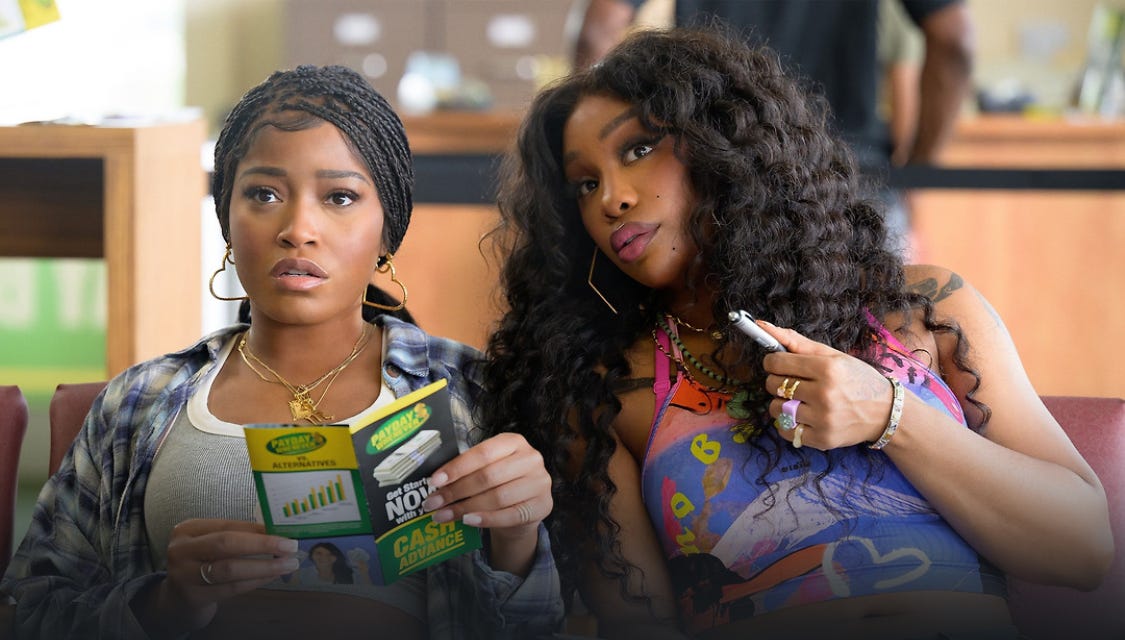
For months, I’ve watched all of the clips of these two promoted this film, so finally seeing the movie felt like watching a follow-up, in a bizarre, borderline uncanny the-movie-is-a-sequel-to-all-the-promotion, which-was-the-original-feature-presentation kind of way.
Anyway, my biggest takeaway from the above comment is that a script can never be as funny as Keke Palmer is in person, but this script did enough to let her shine here and there. My second biggest takeaway is that the chemistry between her and SZA was a pleasure to watch in the promotion and the movie — also, SZA did her thing in this, holding her own beside Keke all the way.
KIKI’S DELIVERY SERVICE (1989)
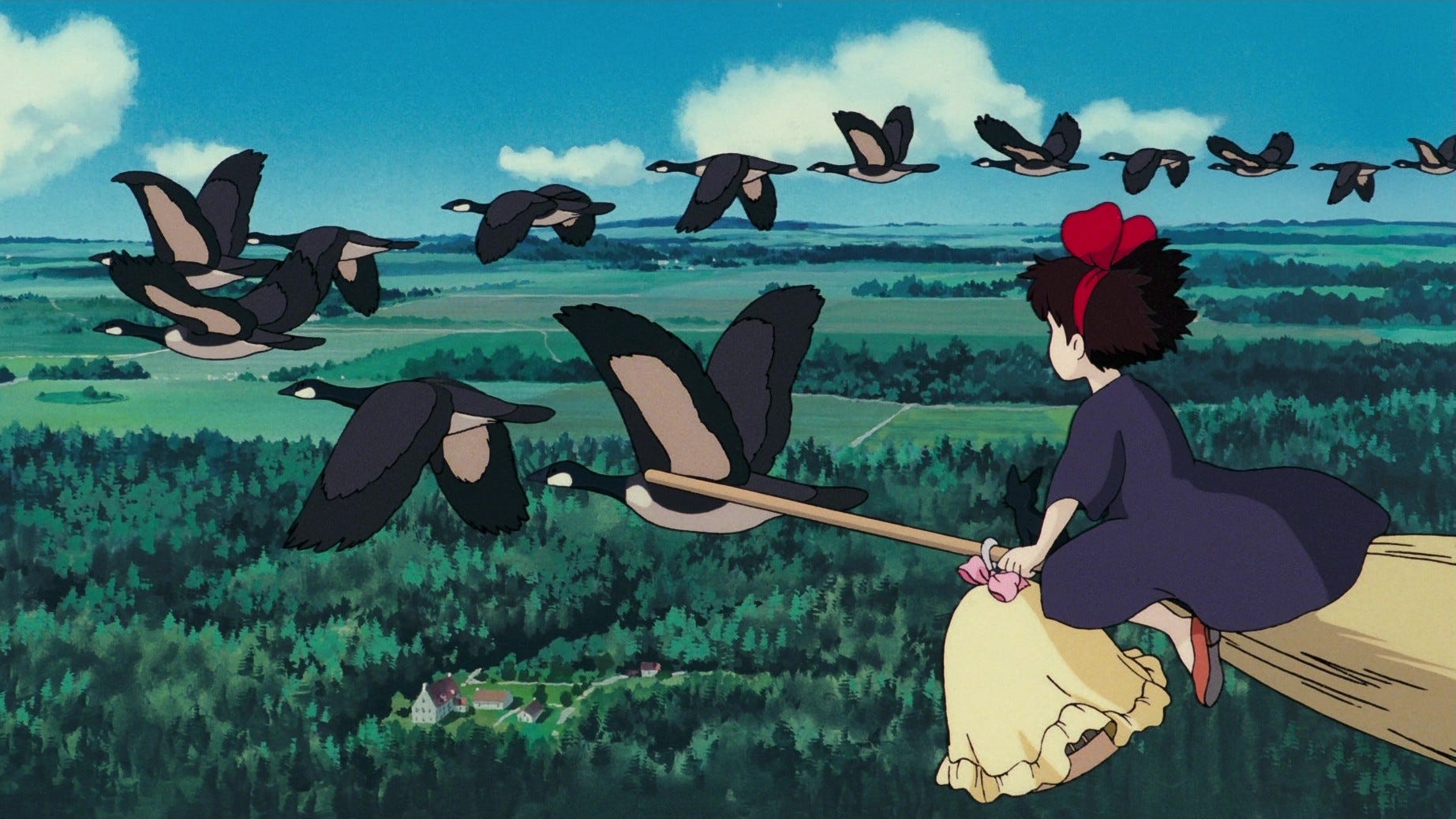
In 1989, Hayao Miyazaki made a movie about how technically, mentally, and emotionally difficult it is to be a working artist in 2025. I especially love how Kiki had to do side-gigs to get by, and how she had to use her talents to build a business tangentially related to what she actually loves to do because her talents aren’t viewed as inherently valuable by society — not to mention she got discouraged, lost inspiration, and suffered from the witch’s equivalent of writer’s block in the third act.
THE WIND RISES (2013)
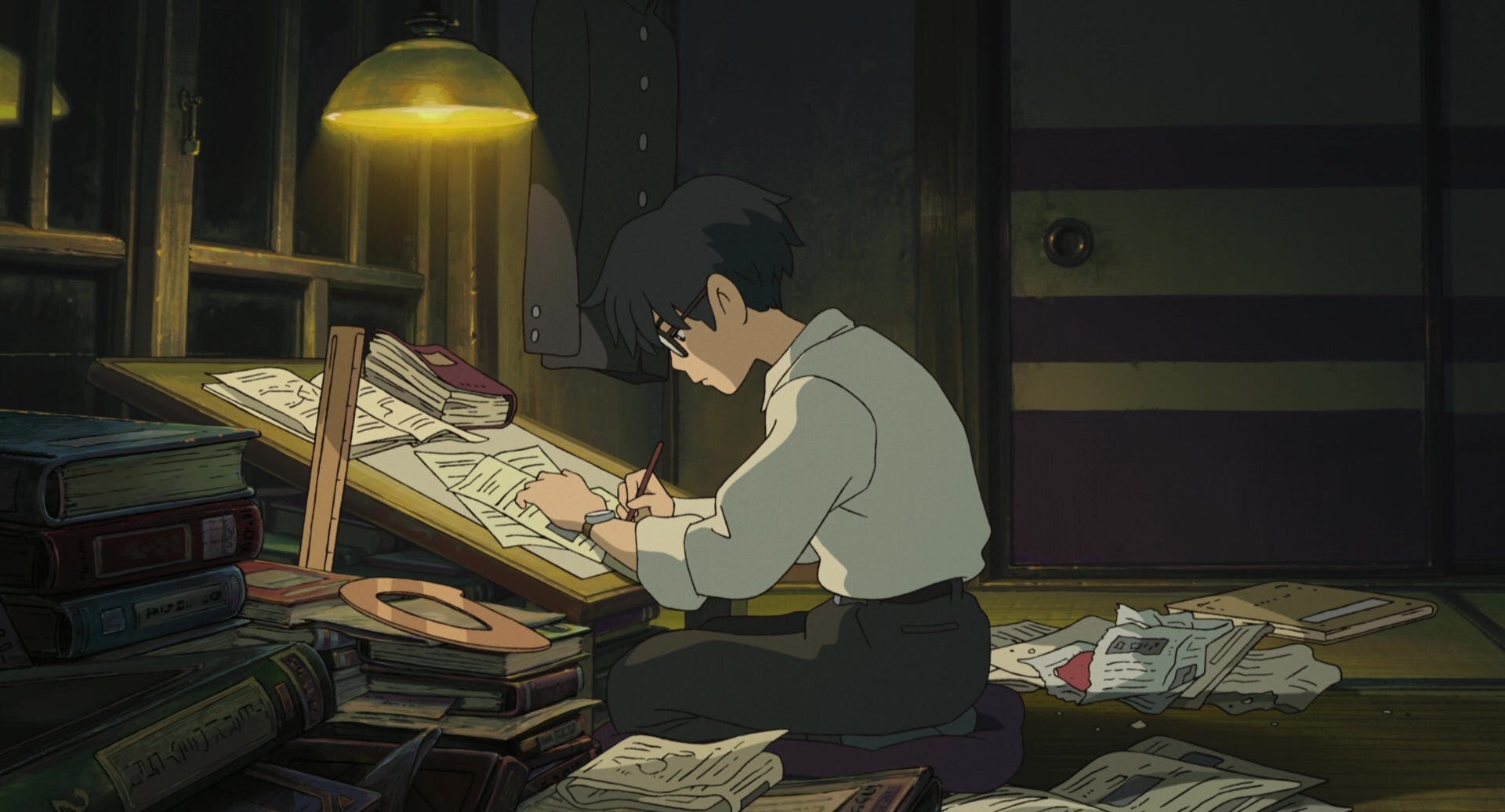
Before this, the closest I’d seen a Miyazaki film get to being completely grounded in reality was 1992’s Porco Rosso, which had an animal protagonist. This film, the last before his first retirement, is completely grounded in reality, but for some dream sequences. This is also the most straight-forward narrative I’ve seen from the legendary writer-director.
Miyazaki’s adoration for all things aviation and flying is on full display here, as the story revolves around a young man who is incapable of piloting planes due to his poor vision, and therefore dreams of engineering the planes that take to the sky instead. Much like Kiki’s Delivery Service, the talents of our passionate protagonist are used to fulfill the wishes of others, usually those with more power and financial means. Much like a brilliant American physicist in the World War II era, Jiro Horikoshi’s mind is used to create a weapon that would lead to the deaths of thousands of people in an act of war committed by his motherland.
Allow me to drag another two Ghibli movies into this review: It is known that Grave of the Fireflies and Totoro were released as a double-feature back in the late-80s, but I think the most logical Ghibli double-feature at this point would be this film followed by Grave. It wouldn’t be the most effervescent of experiences, but the narratives fit so well it’s hard not to think of the 1988 masterpiece while watching this one.
CASTLE IN THE SKY (1986)
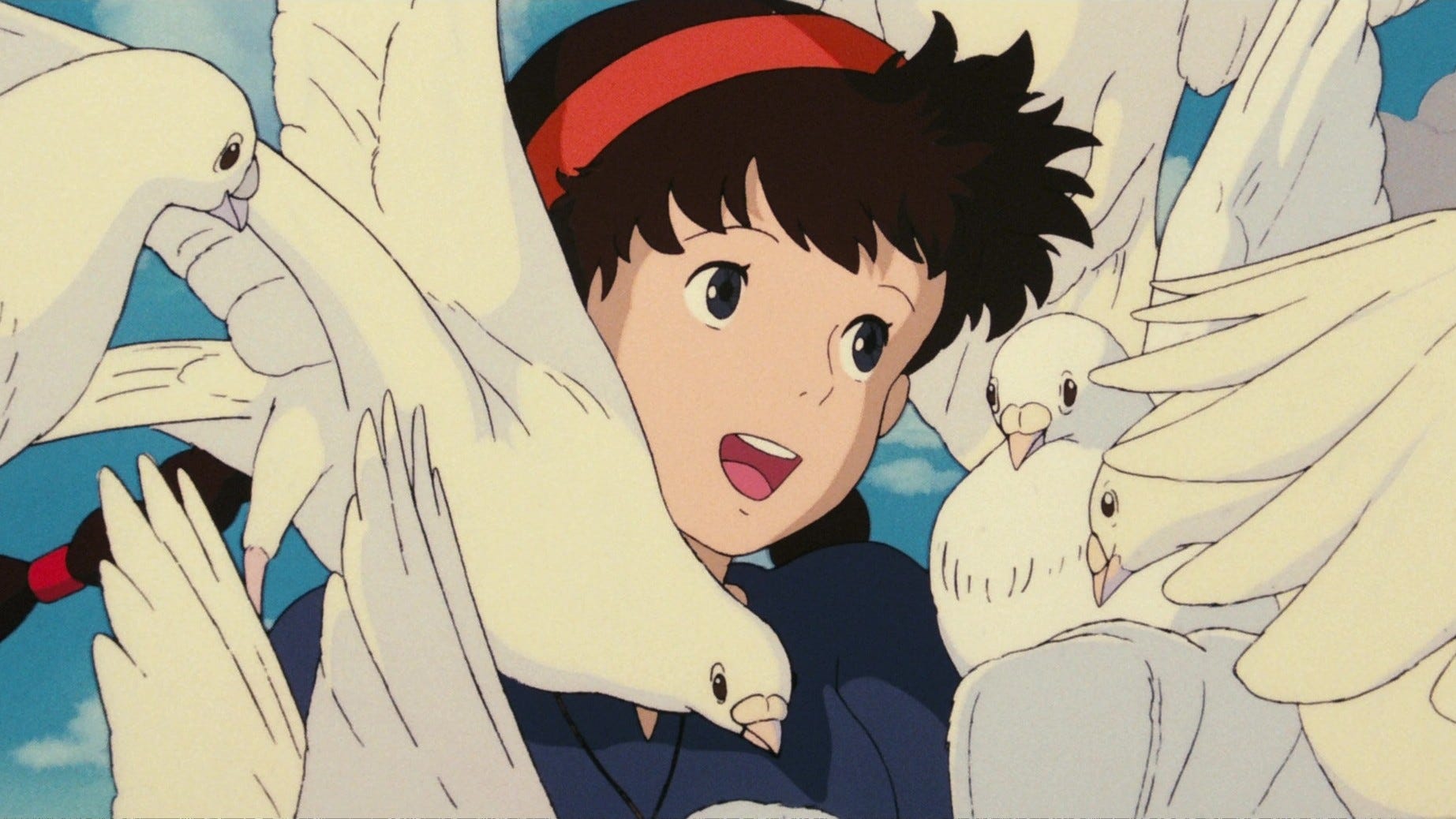
This is the first Miyazaki film I’ve seen (his third feature) that I felt was legitimately weighed down by its plot — so much chasing (on foot and in the sky), guns are blazing, things are blowing up, way more action-based conflict than I’ve grown used to, and a mustache-twirling villain who declares victory with multiple evil cackles minutes before being defeated by the power of friendship. The magic of the world and the depth of the characters fell flat for me due to all of the above.
Maybe a future rewatch will unearth the admirable qualities that are undoubtedly present here, but for now, this is the first of nine Miyazaki films (ten Ghibli films) that I’ve seen which didn’t do it for me.
TALK TO ME (2022)
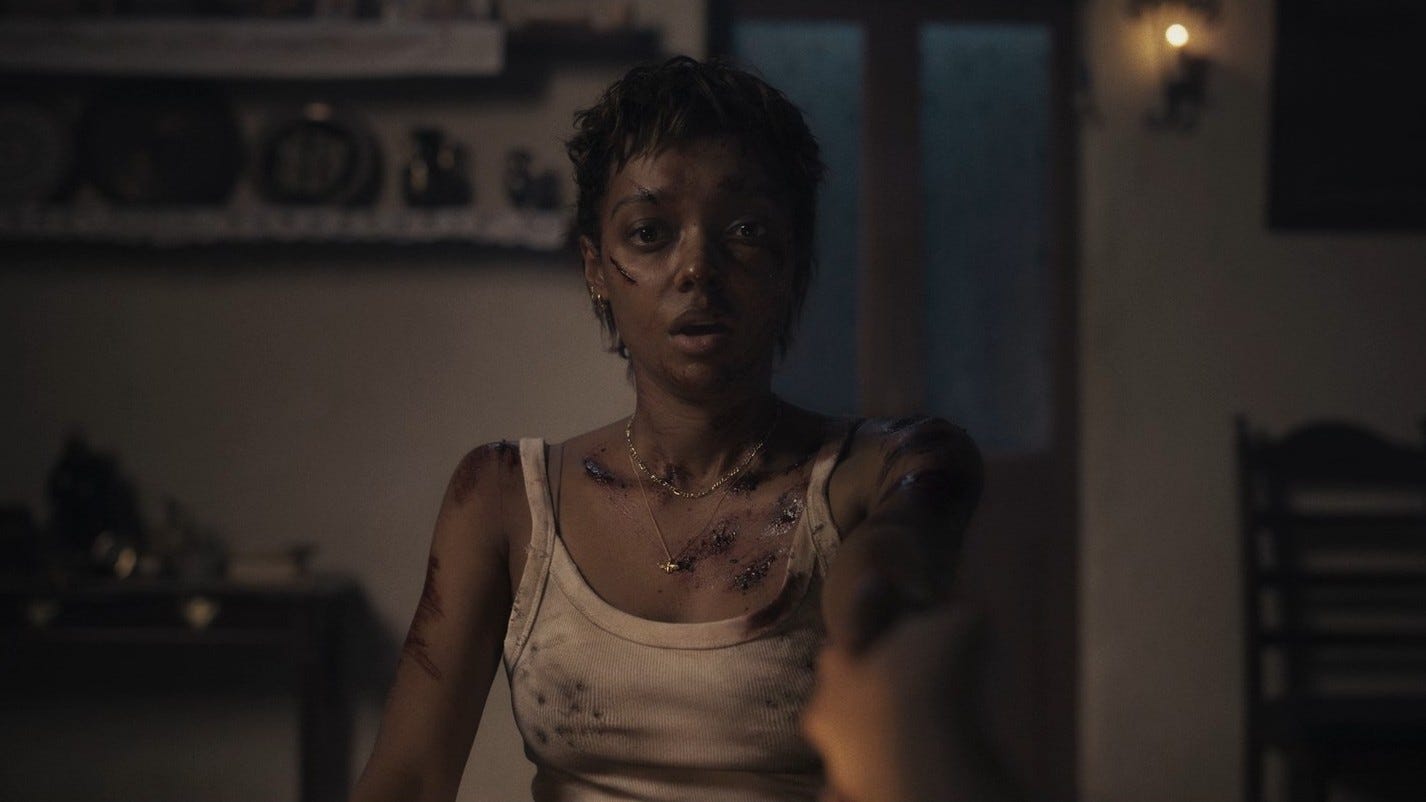
The horror elements were occasionally frightening, but soon linger in our presence for long enough to numb us. It’s when we’re numb to the horror that we find ourselves waist deep in the terrifying reality of how easily we can lose ourselves to grief if we let it in and allow it to take over.
SINNERS (2025)
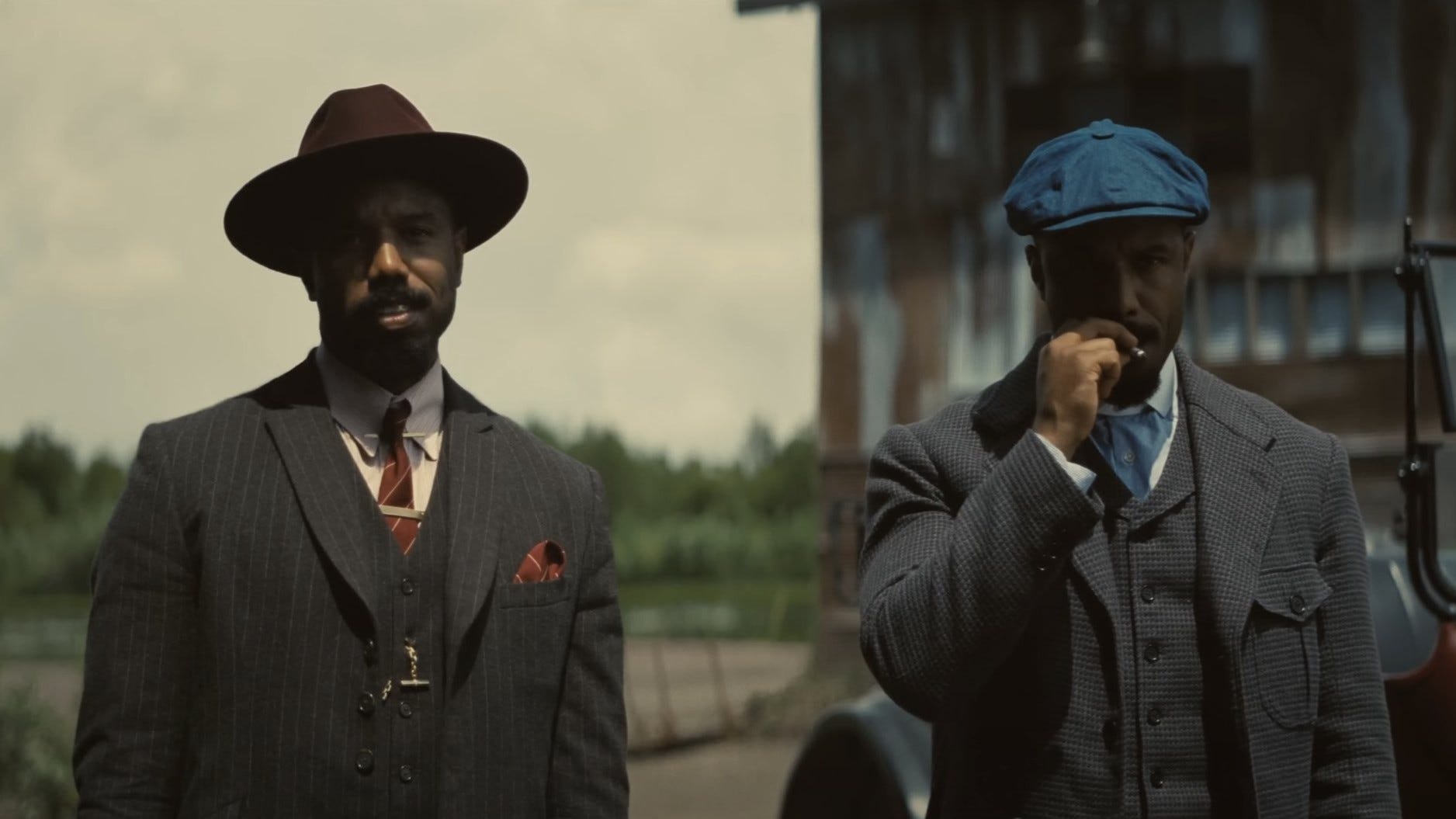
This movie is more or less split in half, between the vampire stuff and the pre-vampire stuff. I’m sure there’s a healthy chunk of audiences who wish the vampire stuff was more prevalent in a movie marketing itself as a horror flick. But I’m in the polar opposite camp; I wish I got more of the pre-vampire stuff. I wish I had two more hours of it — shit, I’ll take ten more hours of it.
This story is bursting at the seams with rich histories for the people, places, and things that inhabit it. The first half of the film follows Smoke and Stack as they go from place to place, beautifully shot, portrayed as an organic part of the world our characters move through, places that exist after the camera moves away from them. The twins meet with fascinating people doing interesting things, talking about lives they lived before the movie started, picking up on relationships that go back years, chock-full of experiences we’ll never be privy to. It’s so rare for a movie to present a world that feels like it’s filled with thousands of stories that’ll never be told, hundreds of hours with these characters that will never be mined, so much space in these places that will never be explored.
This feels like a phenomenal adaptation of a 600-page novel. I want to go buy that book so damn bad right now. I’m sick to my stomach that it doesn’t exist.
THE LITTLE MERMAID (1989)
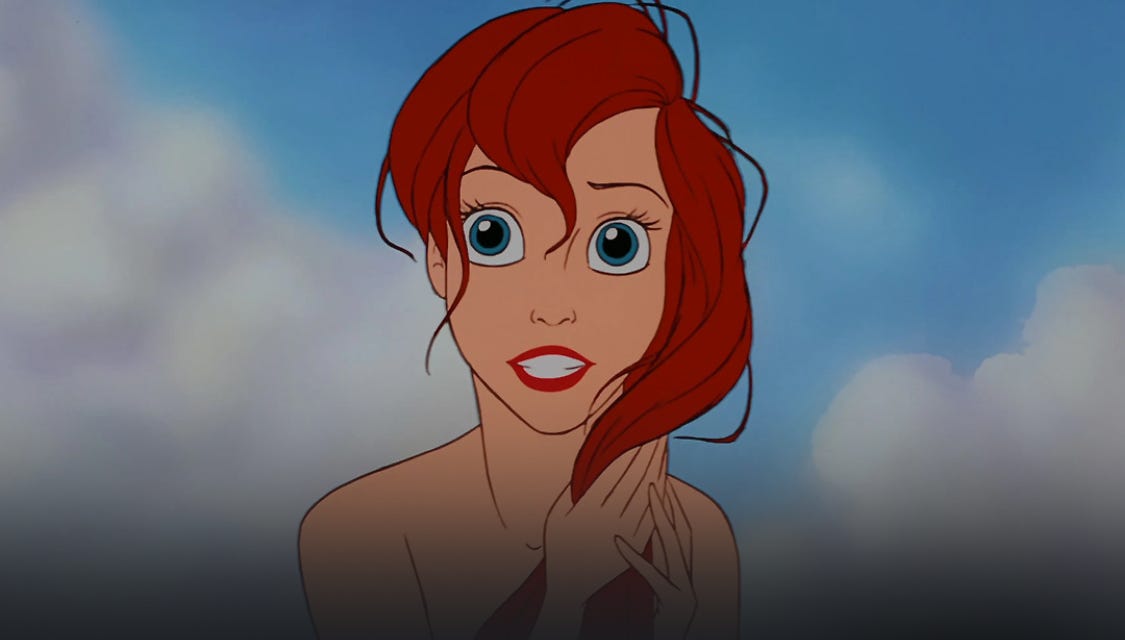
My toddler nephew said he wanted to watch a Disney movie but he couldn’t make up his mind on which one he wanted me to put on, so I made the executive decision to introduce him to the best of the Disney classics.
He sat still for maybe ten minutes of it in total, so we might have to attempt round two in a couple days. I don’t mind — I could watch this movie on a loop.
Previously Reviewed on March 29, 2020
THUNDERBOLTS (2025)
Even the good superhero movies aren’t doing anything for me these days. I guess the fatigue is permanent for some.
Nevertheless, like I said, this is one of the good ones. Not because the superhero elements were fantastic — they were nothing to write home about. It’s the themes in the script and the heart in the moments between characters that makes this a good one. I really appreciated how the central themes were explored en route to ultimately resolving the story’s climactic conflict. The most powerful antagonist in this could only be defeated by mining the story’s themes for a resolution.
It should also go without saying, but I’ll say it anyway: Florence Pugh carried so hard.
CLOWN IN A CORNFIELD (2025)
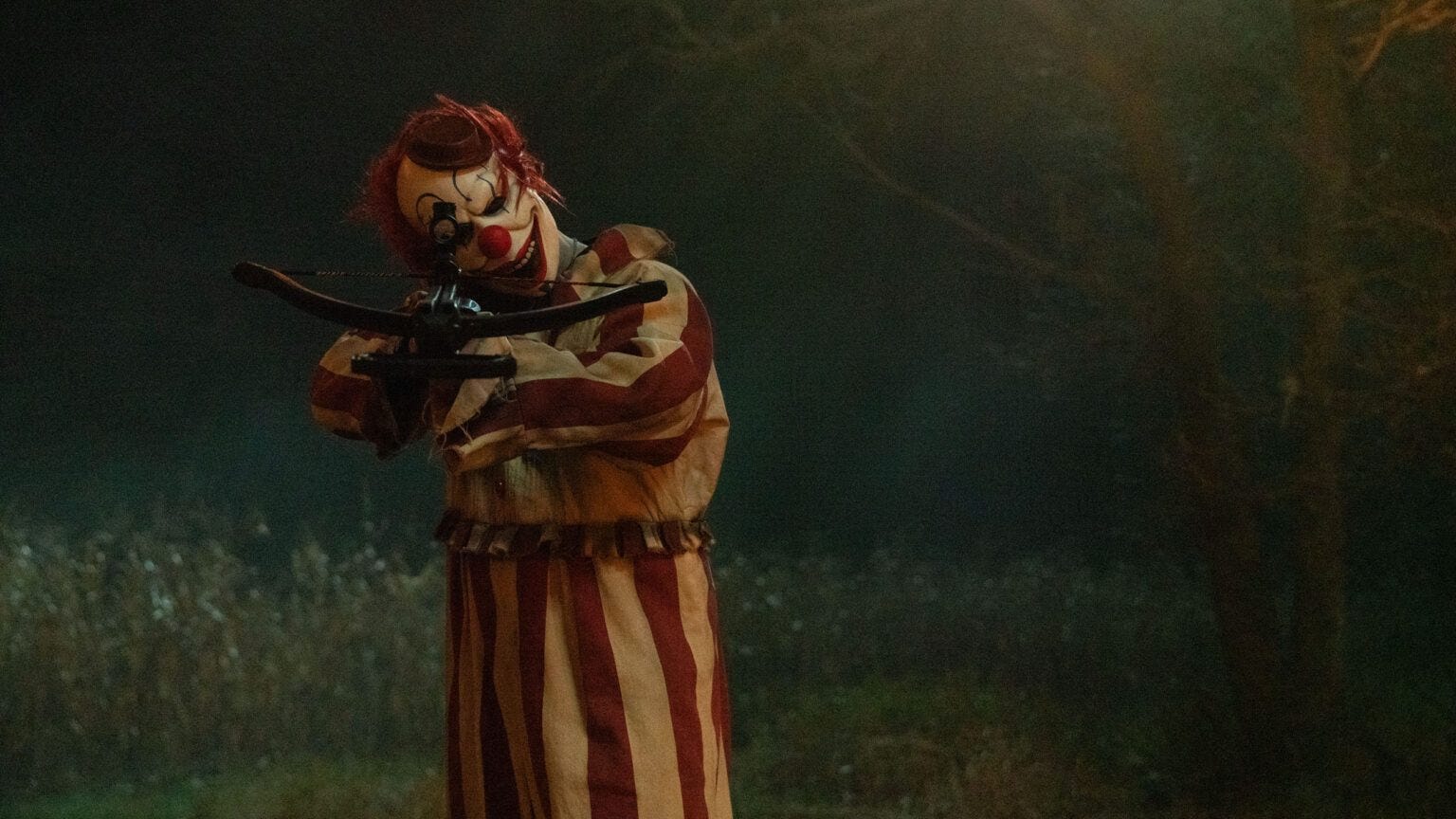
I recently heard a Booktuber pose a counter-argument to those who criticize books in the Romance genre for having the same storylines, the same tropes, the same arcs, etc. She didn’t say any of the above was false — instead, she said that fans of the Romance genre don’t see any of the above as a negative, but rather, factors that they actively seek out. The readers want something they know they will enjoy, something they can comfortably devour. They don’t want to be pushed and pulled in unpleasant or unexpected directions. They don’t want sad endings. They want the shell of the story to be something they’re comfortable with — that leaves room for the inside of the shell to add little twists and quirks to the familiar story.
Listening to that Booktuber, I suddenly understood how fanatics of Horror movies are capable of devouring the heaps of derivative slop plaguing the genre. What I find tedious, repetitive, cringey, and boring about the vast majority of Horror movies out there is exactly what the core fans seek out. This movie is no different. I’ve seen these characters a million times before. I’ve heard every line of dialogue in this before. I’ve seen the first and second act of this film before. The third act adds those twists and quirks I mentioned above, but the shell is very much identical to so many other Horror movies.
I’m sure Horror devotees will eat this up, just as Romance fans will eat up Emily Henry’s newest release. I just don’t happen to be in either of those target audiences.
UPDATE: This earned $3.8 million over its first weekend, on a budget of about one million — the biggest opening weekend to date for IFC. So yes, the Horror devotees ate this up.
THE BIG SHORT (2015)
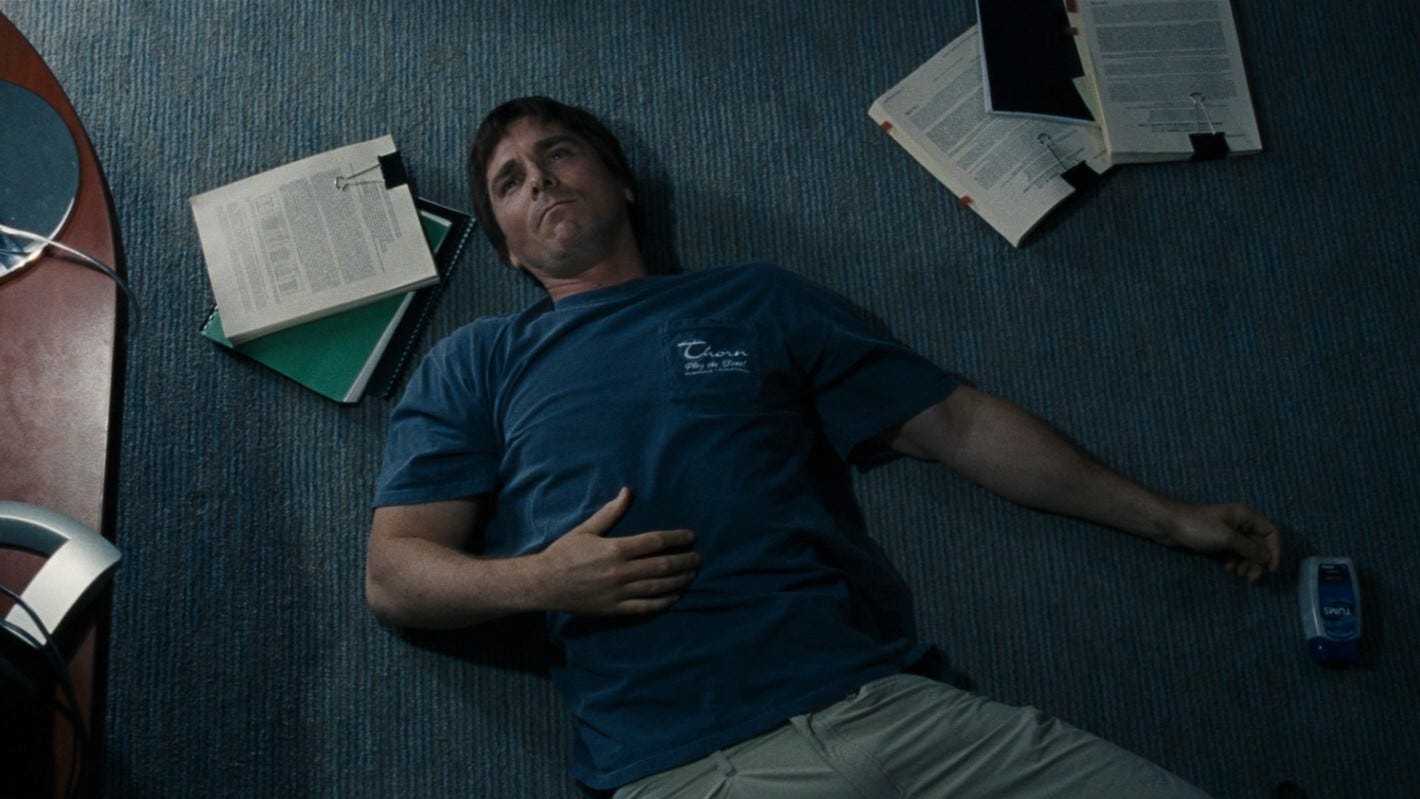
I’ve basically been rewatching this movie every two years since it’s release in theaters. I pretty much love everything about it. The performances are top-notch. I love these despicable characters. I love the atrocious words coming out of their mouths. I love the tone and how it conflicts with the subject matter. The pacing is break-neck in the best ways possible — it’s over two hours long, but it doesn’t feel a minute over an hour and a half. Some people describe movies as being an easy watch; well, this movie is as easy a watch as there is for me.
Yes, I’m talking about the movie about a global economic meltdown that caused the disappearance of 5-trillion dollars in pension money, real estate value, caused 8-million people to lose heir jobs, and led to 6-million people losing their homes.
Previously Reviewed in 2021 & 2023
DJANGO UNCHAINED (2012)
I didn’t notice until after I was getting ready to write my review for this that I hadn’t revisited this movie for something like seven years. It wasn’t until I struggled to figure out what to write about it that I realized it had been seven years for a reason, I suppose.
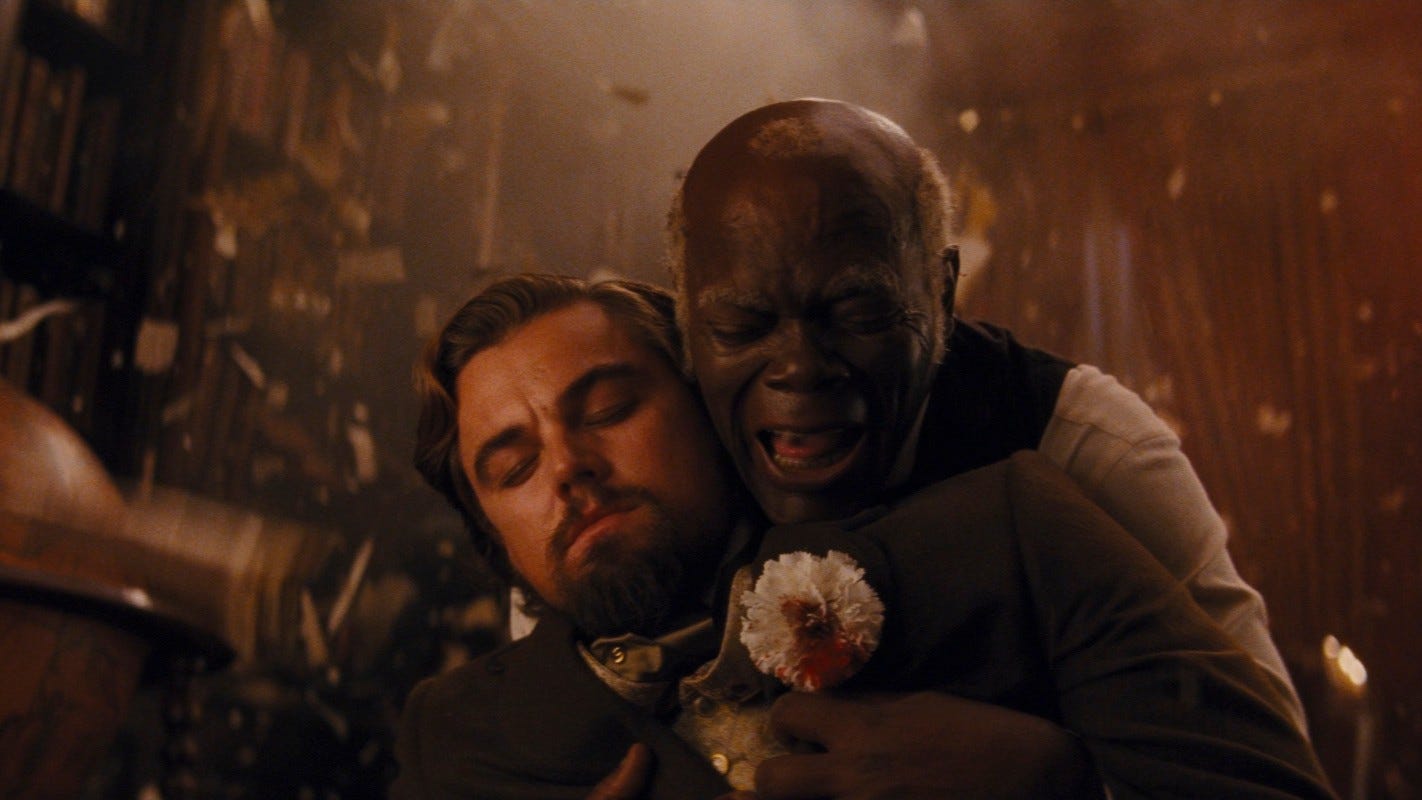
I don’t love this movie. I appreciate its existence. I enjoyed watching Waltz, DiCaprio, and Jackson work. The cinematography was beautiful. The dialogue was engaging. The story, however, feels flimsy far too often. The pacing drags in places. I’m happy to revisit this once every handful of years, but it’s a middling Tarantino movie for me; maybe even a bottom-third Tarantino movie for me — I’d have to rewatch them all and really think about it to make a concrete declaration like that.
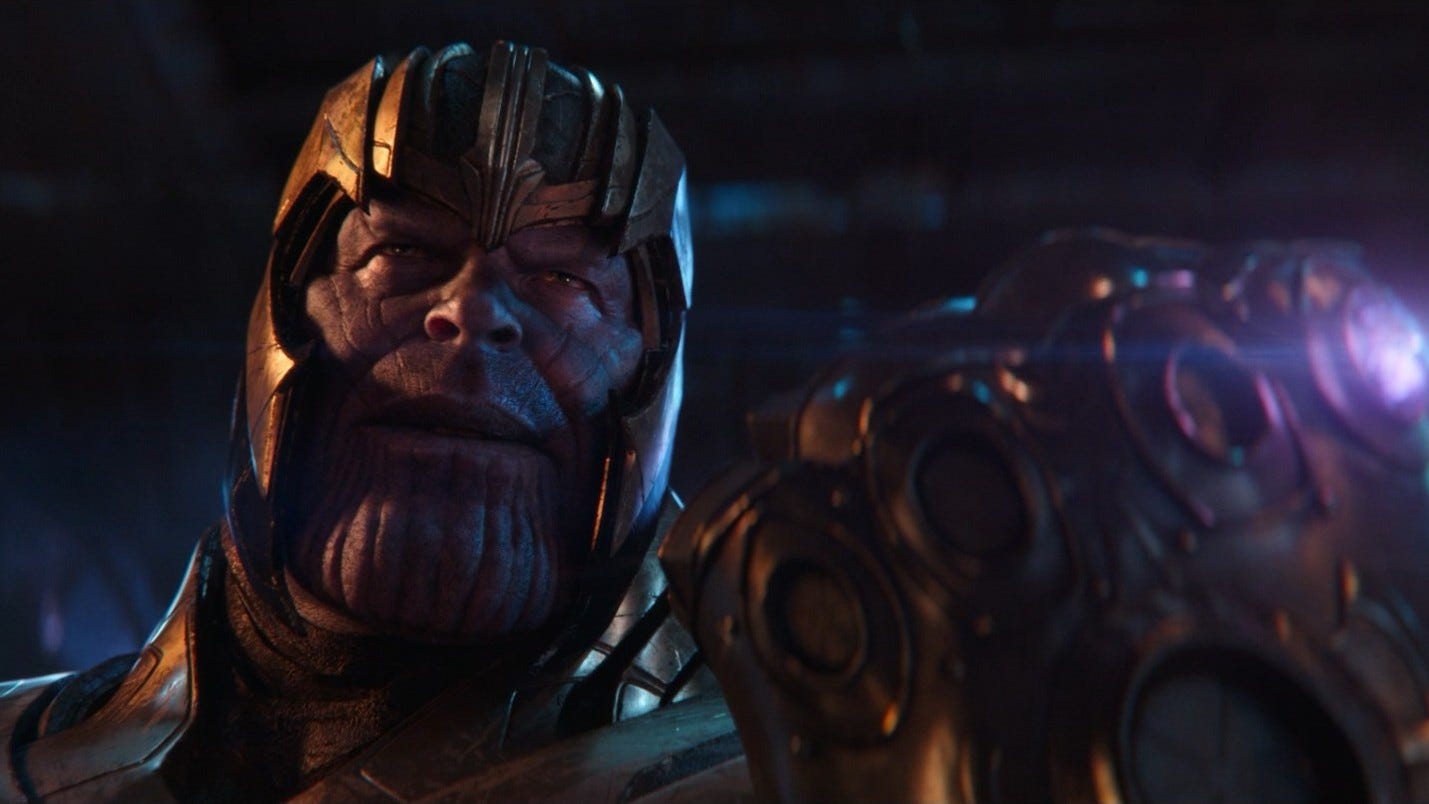
AVENGERS: INFINITY WAR (2018)
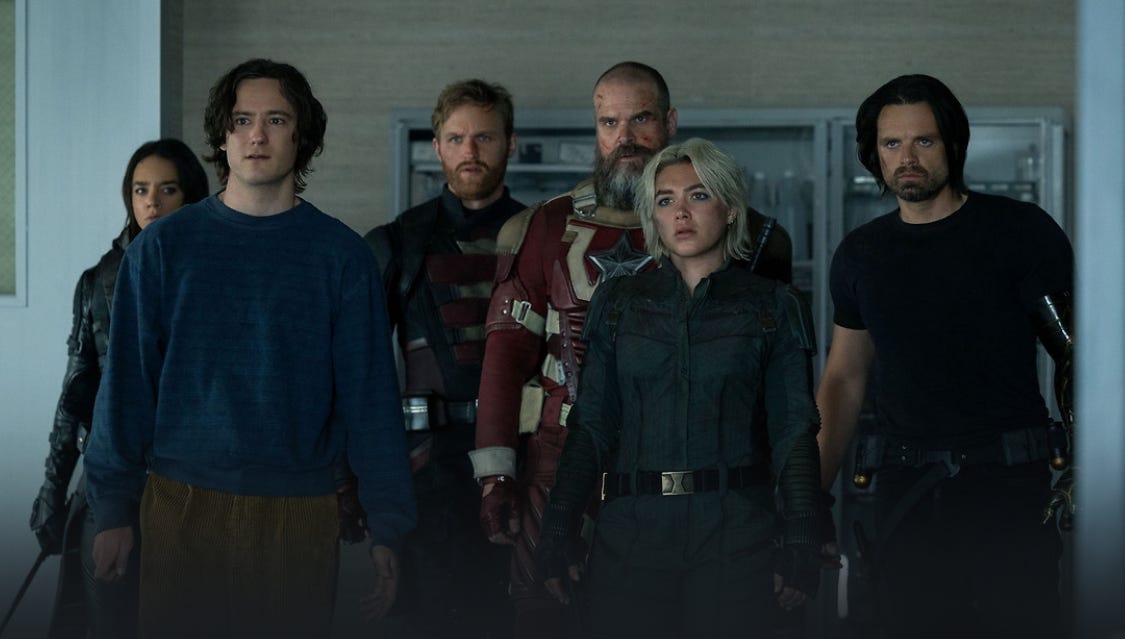
This movie belongs in the Hall of Fame for films to watch on a flight. It chugs along at the kind of pace you need to keep your mind off of the fact that you can’t move and you’re in the sky. It’s long enough take a big chunk out of the travel time in one fell swoop. It’s not overly emotionally investing, so it’s okay if you’re getting distracted by the baby crying six rows up or the teenager pressing her knees into the back of your chair. Also, it helps that the movie is actually good and actually fun to watch.
Previously Reviewed on December 14, 2020
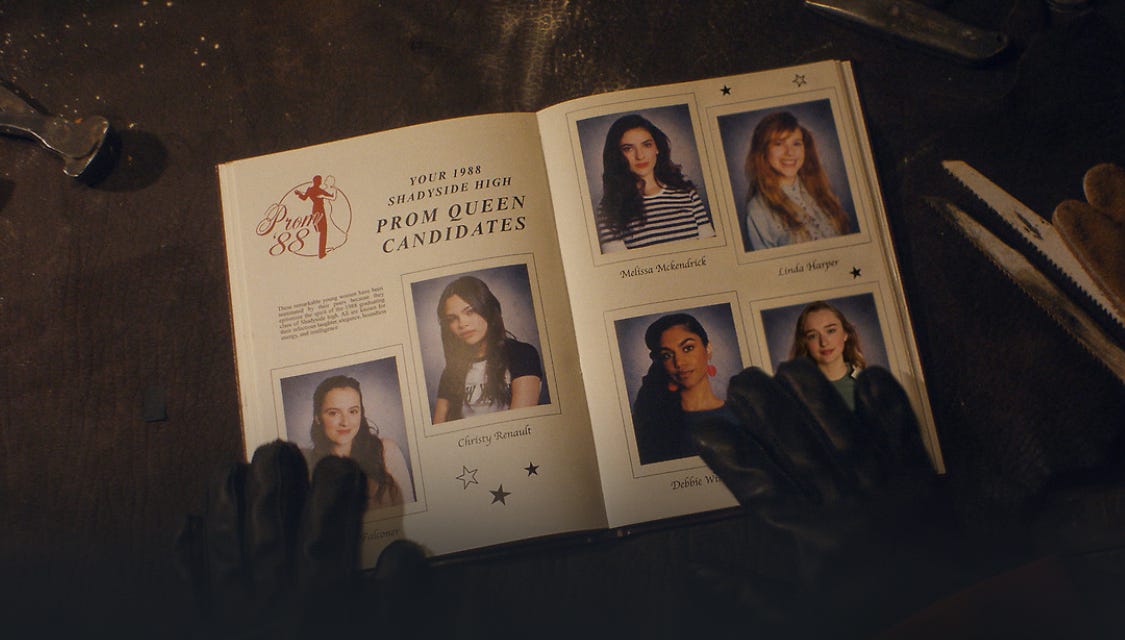
FEAR STREET: PROM QUEEN (2025)
The Fear Street trilogy was one of the biggest surprises of the year for me all the way back in 2021. The quality of the films fluctuated between entries, but I enjoyed them all nonetheless.
Four years later and I’m preparing the downloads I need to get me through an eleven-hour flight. I see a new Fear Street movie recommended to me on Netflix. With great haste, I downloaded it and watched it on the plane. This fourth entry does not hold a candle to the previous three, unfortunately. This felt like the Dollar Store version of those films.
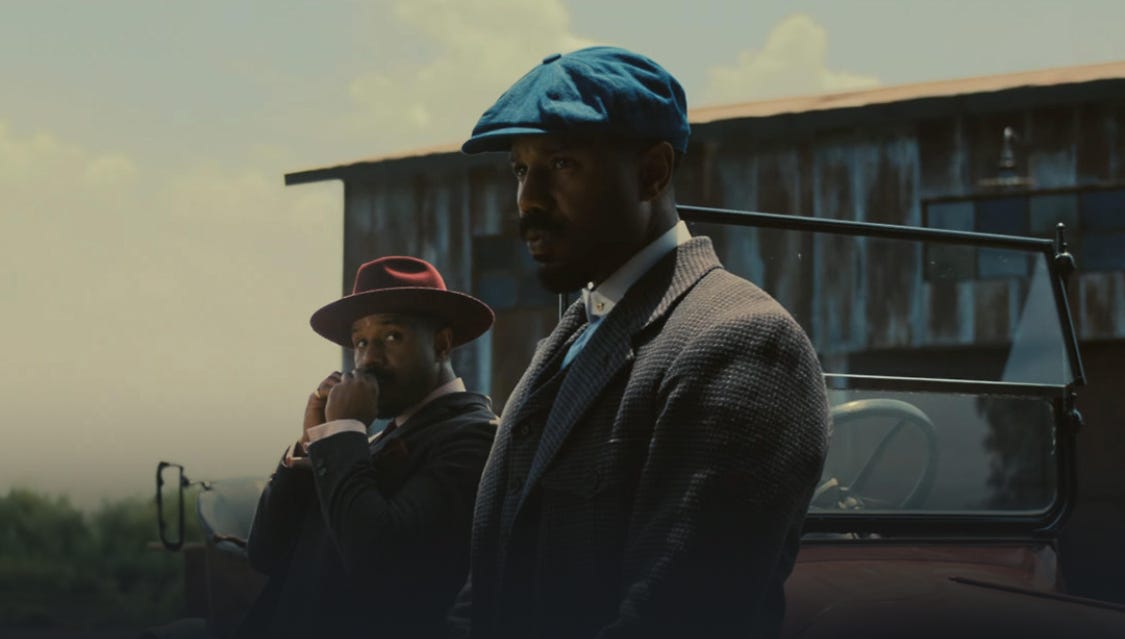
SINNERS (2025)
A second viewing allowed me sink my teeth into the subtext of it all, to pay attention to the metaphors at play, the deeper themes. I love how cool this film is, how rich with story and character it is. I love that it’s not afraid to make the vampires actually vampires. I love that it’s a story very much revolving around Black people set in Jim Crow-era Mississippi that explores themes more complex than “racism is bad.” I knew this was a great film on first viewing. A second viewing showed me it’s even better than that.
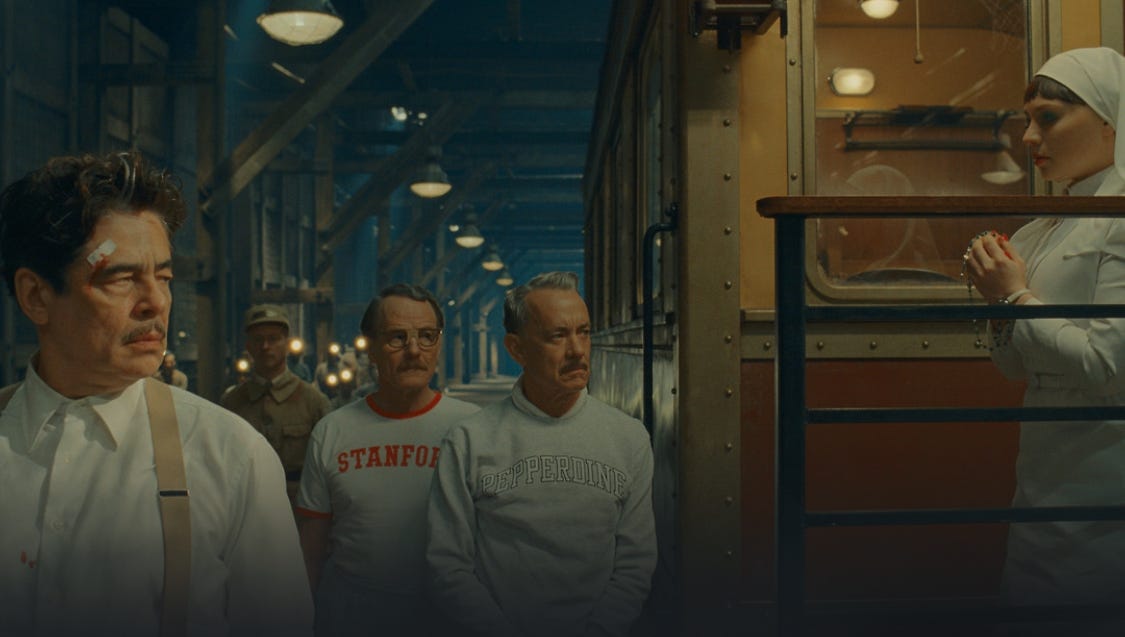
THE PHOENICIAN SCHEME (2025)
Wes Anderson is on a several film run (a decade’s worth?) where I’m having a nearly impossible time connecting with the story being told, while at the same time, thoroughly enjoying the way the stories are being told. I’m enjoying the ride, because Wes is a singular filmmaker with a vision as unique as they come. That said, I’m not as emotionally invested as I would like to be, given the talents of the auteur director.
MATERIALISTS (2025)
Celine Song’s follow-up to the weighty Past Lives is a film that feels like a romantic-comedy, except it doesn’t really act like one. It feels like a story that wants to parody what it’s like to date in New York City in this day and age, but it doesn’t really do that either — it gets earnest on us. This often gets so close to making fun of itself, only to stop right before that line to try and make you think deeply and feel feelings.
I’m not sure all of the above worked as well as Song may have hoped, but it was a fresh story, navigated by three actors I’m happy to watch for a couple hours.
THE LIFE OF CHUCK (2025)
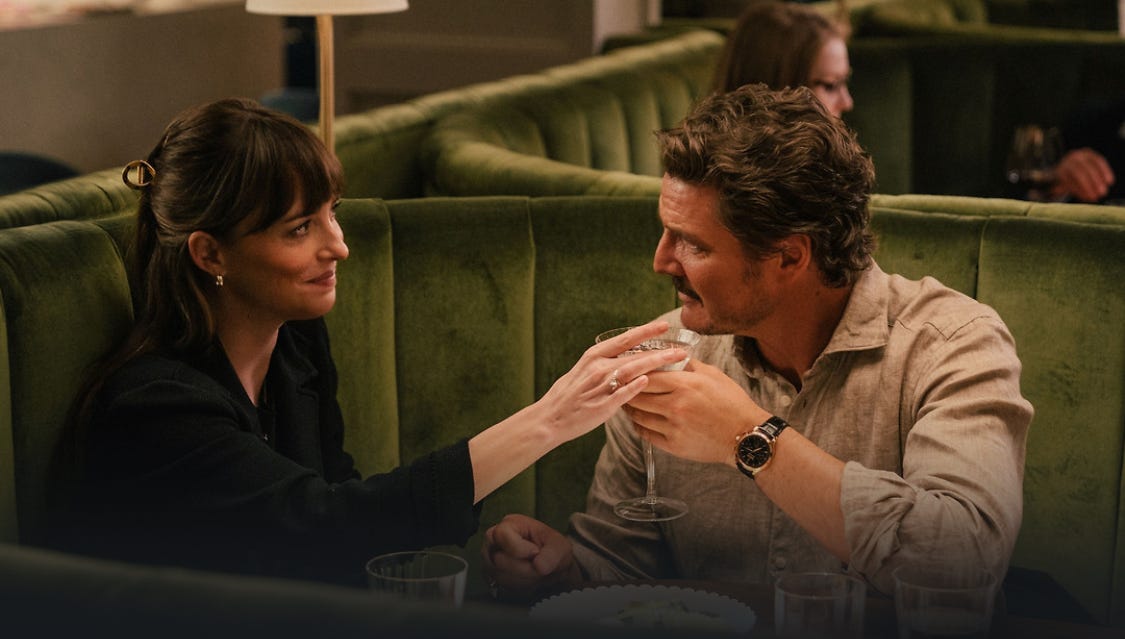
Fans of Mike Flanagan’s productions looked like the Rick Dalton meme for two hours, pointing at the screen every time a familiar face showed up. Fans of Mike Flanagan’s productions will also be pleased to find the familiar heart and soul present in this film, along with his abundant thoughtful monologues, and his unique way of using genre stories to say something profound about the human experience.
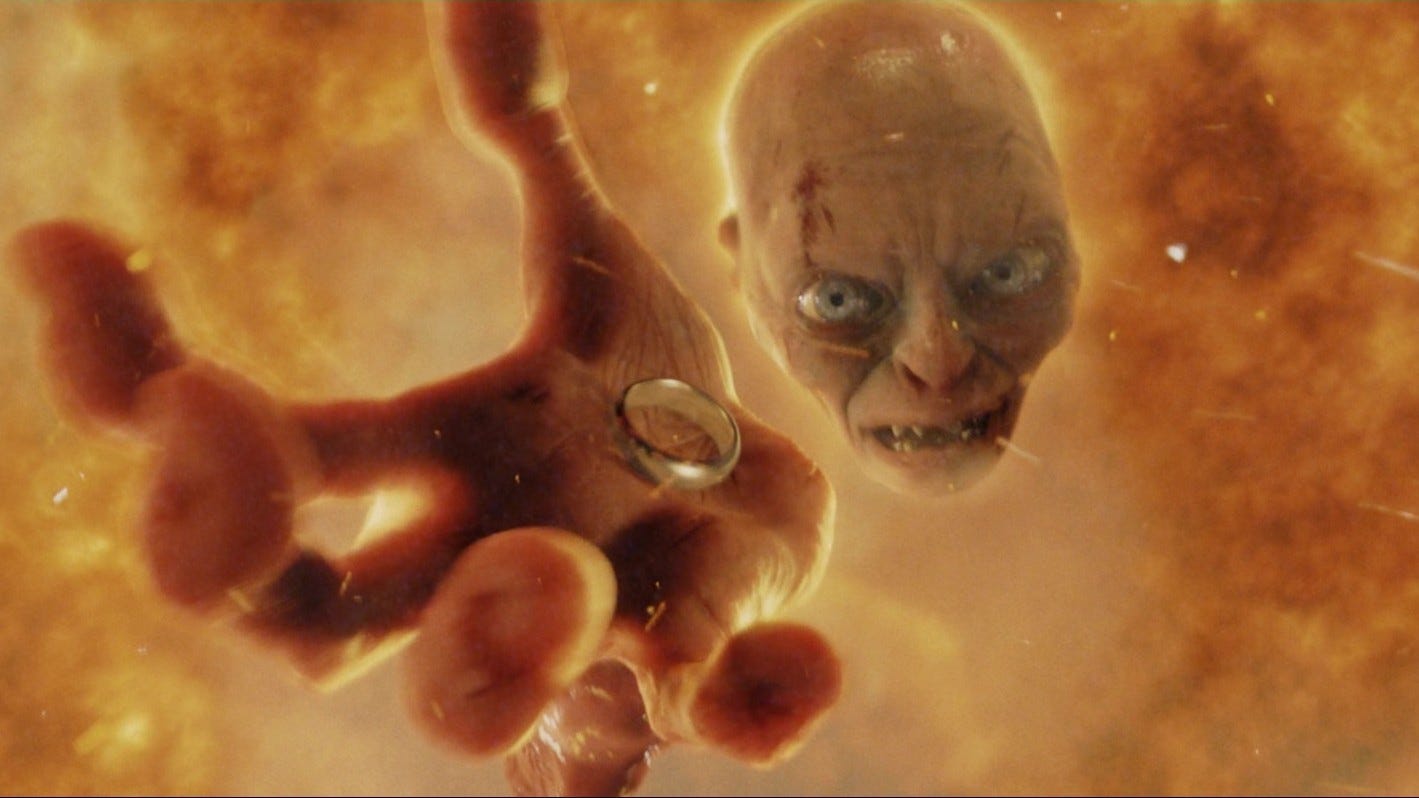
THE FELLOWSHIP OF THE RING (2001)
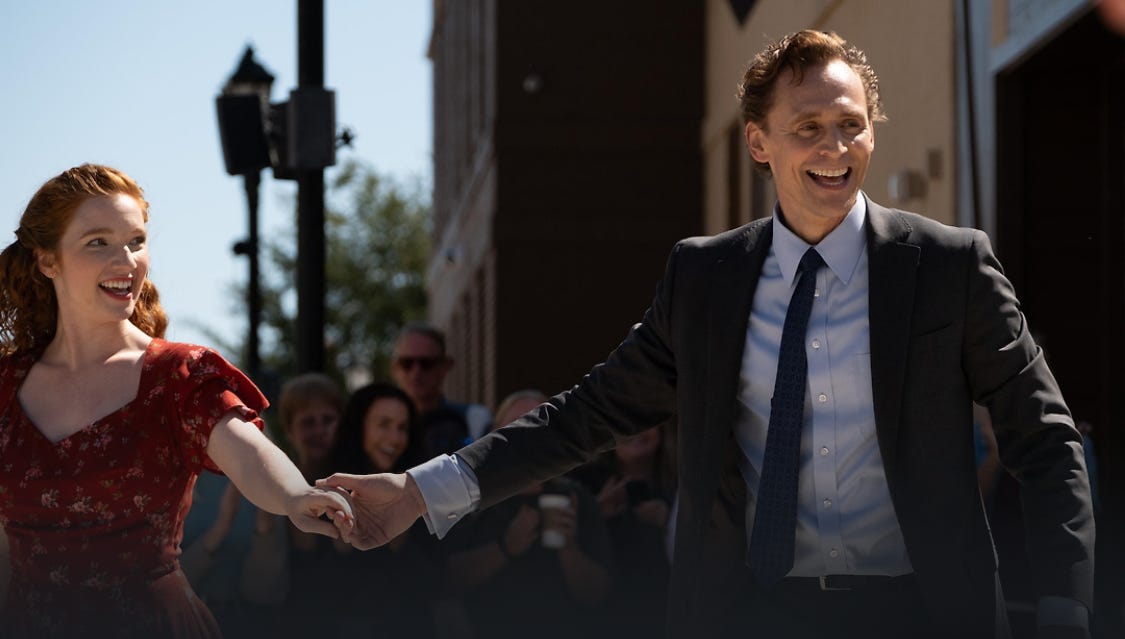
I haven’t watched these movies in nearly a decade, so my eyes were nearly as fresh as humanly possible when I decided to watch the entire trilogy in one day. I started around noon, and didn’t reach the closing credits until a little before midnight.
What struck me on my rewatch of this first chapter is how elegantly it’s paced. The story takes its sweet time, but it’s engaging all the way through. This is the first part of an epic trilogy of blockbuster movies, but it isn’t structured like one. As an example, we don’t see Aragorn until an hour in — I can’t help but feel that a modern blockbuster would have made it to that point in the story after fifteen to twenty minutes.
“It’s called the Fellowship of the Ring,” croaks the crabby Executive, “why are we waiting so long to meet the Fellowship?”
THE TWO TOWERS (2002)
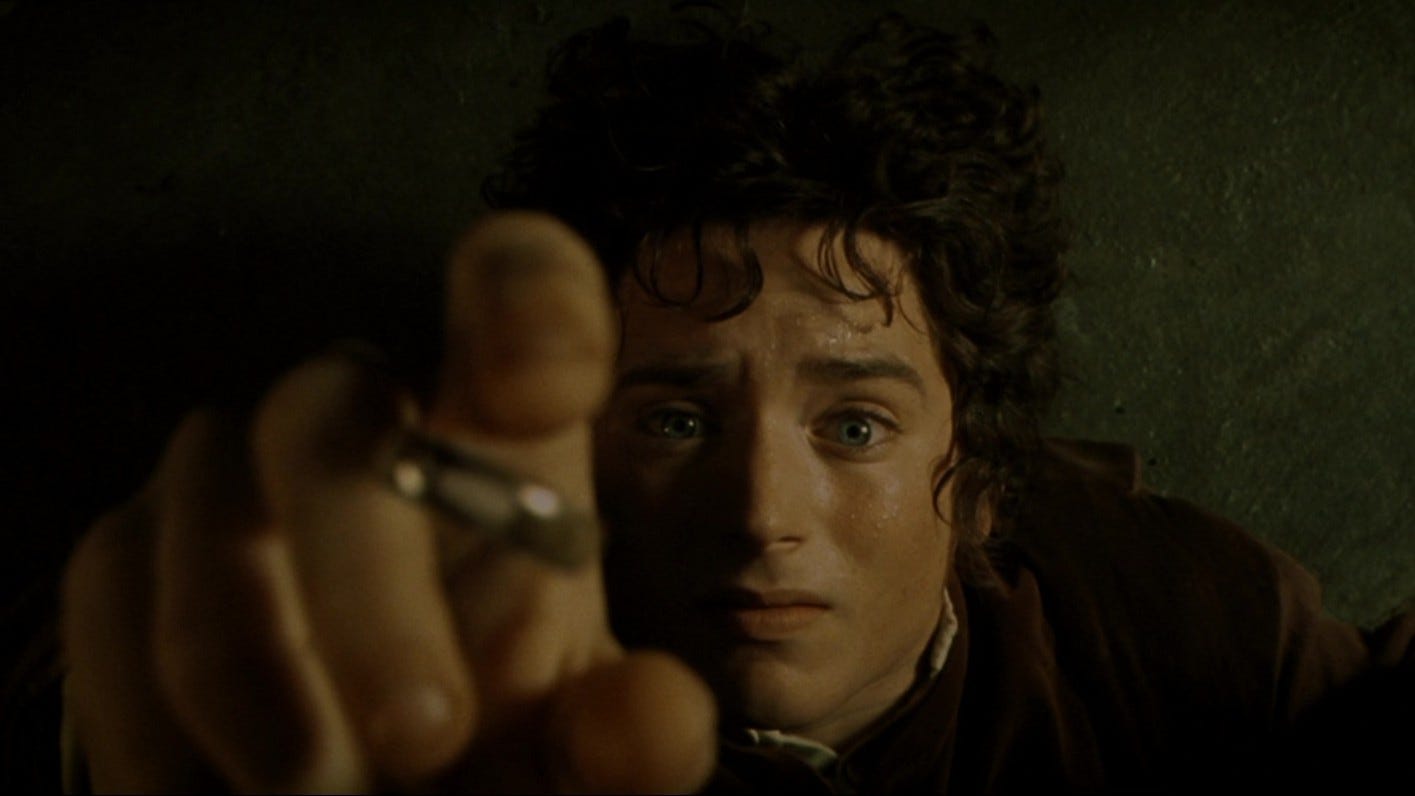
This, to me, very much suffered from middle-movie-of-a-trilogy syndrome. That’s not a damning designation by any means, as it is, in fact, the movie between a phenomenal first entry and a sensational third entry.
It gives us an opportunity to cover more ground in this fantastical world, further develop characters we already know and love, continue to build the roster of personalities and factions that will play a role in the events to come.
While the structure of the first film impressed me, the structure of this one frustrated me. It wasn’t so much the symptoms of the middle-movie-of-a-trilogy syndrome that got to me, but rather the things that Peter Jackson decided to spend his time on. Now, I don’t exactly have my fingers on the pulse of the Lord of the Rings discourse on the internet, but I would be utterly flabbergasted if I’m the only one who was incredibly frustrated with how much time was spent chugging along in the forest on the back of those giant trees alongside Merry and Pippin.
I understand the trees had to be established. I understand the Hobbits’ willingness to join the fight had to be established. All of that could have been done in three scenes (four, maximum) — we really, truly did not need to keep cutting away from the actions of more important characters and storylines to see what they were up to. By the time we reached this movie’s famous final battle, I was so irritable from the frequent cuts back to Merry and Pippin that I was prepared to pull my hair out when I realized that Jackson was not going to cease hitting us with frequent meanwhile-back-in-the-forest transitions while IN THE MIDDLE OF THE BATTLE OF HELM’S DEEP. This awe-inspiring cinematic achievement in direction, cinematography, music, and special effects was being interrupted with a couple of Hobbits and their banter from the backs of a group of lumbering trees — frankly, it’s incomprehensible.
Anyway, that’s my rant. There’s nothing I can add to the analytical conversation surrounding these movies except for my gut reactions to watching them after so many years. So, that’s what this is.
Samwise Gamgee saved this movie for me with his iconic speech in the third act. In that monologue, he reoriented the entire story before we move on from this middle chapter. He reminded us what was at stake after all the chaos of the last three hours. He shifted the spotlight back to Frodo, and brought to focus for the audience just how in over their head the Hobbits are on this journey. At this moment, the destination, the goal, it feels unachievable. We couldn’t ask for a better place to be heading into the trilogy’s final entry.
THE RETURN OF THE KING (2003)
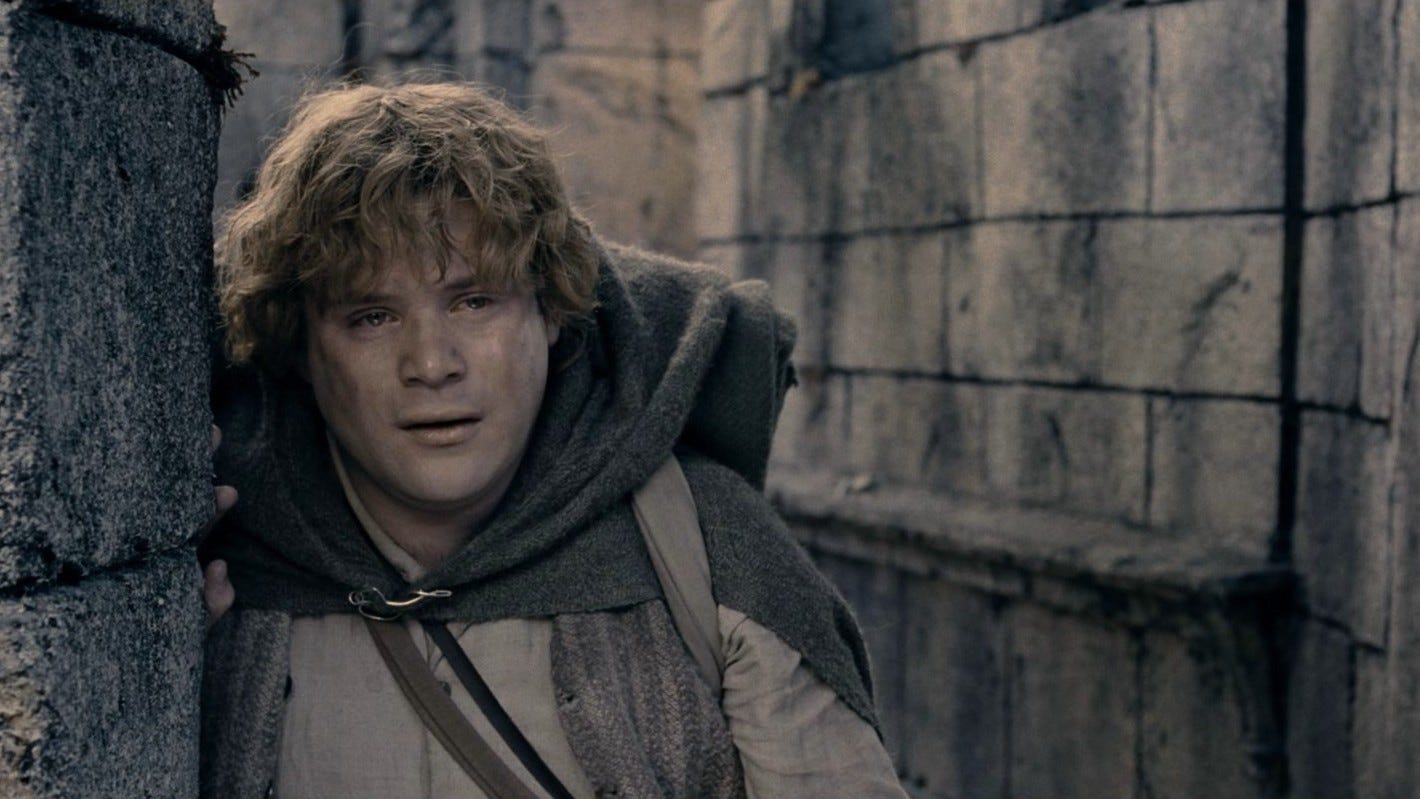
Almost one complete trip around the clock’s face later, I am wholeheartedly convinced that watching this entire trilogy in one sitting is the absolute correct way to experience this epic story. It’s structured as one long journey, so it should probably be consumed as one long journey. That said, I’m eternally envious of lifelong fans of Tolkien’s stories who only had to wait ONE YEAR between installments back in the early 2000s, after principal photography for the trilogy was conducted concurrently for 438 days from October 1999 through December 2000. And that’s not to mention the good fortune the fans were blessed with to have that adaptation of their beloved story end up being one of the greatest cinematic achievements of all time.
This final chapter does everything you’d want it to do. It satisfyingly concludes this journey we’ve been on. It does justice by the characters — most importantly confirming that Samwise Gamgee is the real hero of this story. It has three too many endings (one of which I still don’t understand), but we won’t hold that against it. There’s not much more to say at this point, two-plus decades later. It’s epic. It’s monumental. It’s Cinema.
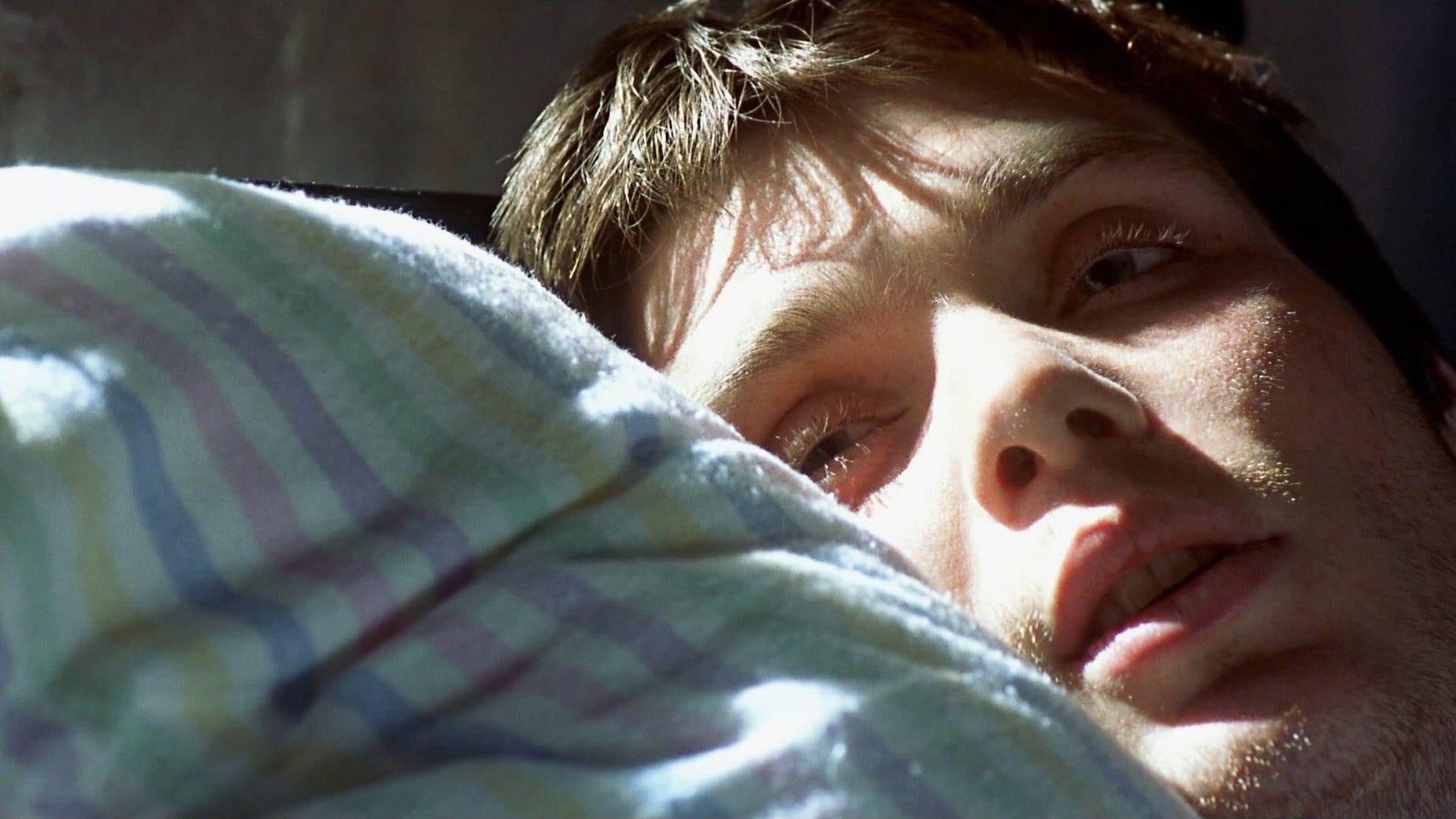
28 DAYS LATER (2002)
“All the death, all the shit — it doesn’t really mean anything to Frank and Hannah because she’s got her dad and he’s got his daughter. So, I was wrong when I said that staying alive is as good as it gets.”
Now, ain’t that what it’s all about?
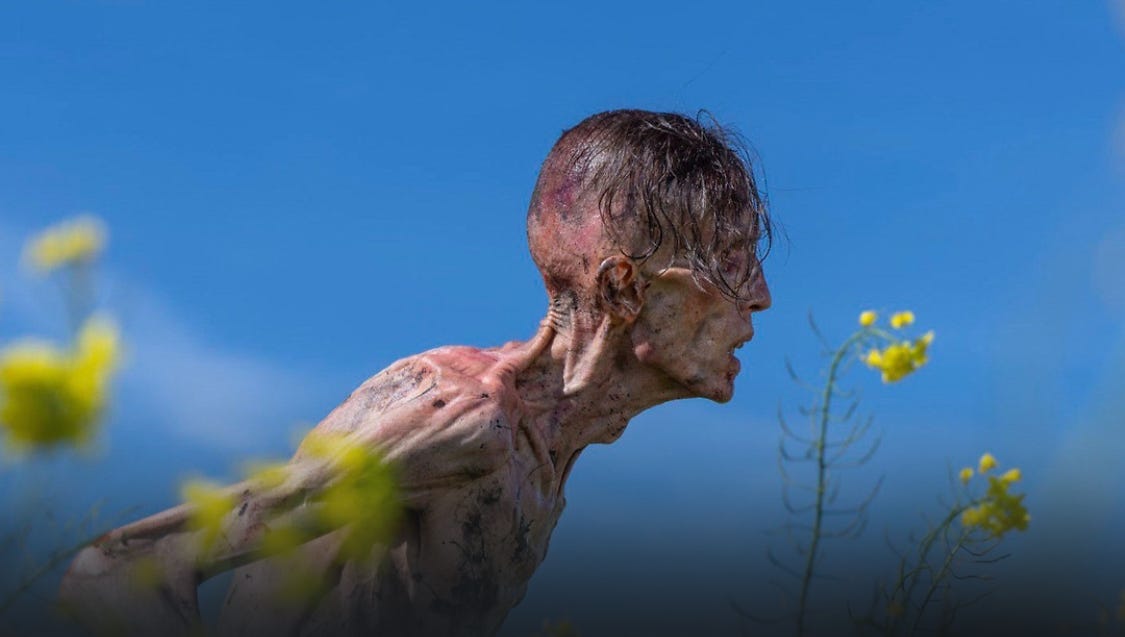
28 YEARS LATER (2025)
I’ve been consuming a lot of zombie stories recently, and the more I consume, the more I understand how The Walking Dead went on for so long, but the less I understand how the quality of The Walking Dead fell off a cliff. That is to say it’s amazing how deep this well is for stories about humanity, about death, about family, about society, about chaos and order, the list goes on. We told zombie stories until everyone was sick of them, then we continued to tell zombie stories with continued success. There’s something to this sub-genre. It just can’t stay dead.
This movie takes several turns that didn’t necessarily feel obvious or inevitable or even mandatory for the story to work. But that’s the beauty of the post-apocalyptic zombie story: They could go anywhere, do anything, and as long as the writing is on point, the story will work. The film starts in one place, then a dozen viable forks in the roads appear, then it takes one of the routes, only to be presented with a dozen more, on and on. The places where this film ultimately goes worked out splendidly, but in the hands of Alex Garland, the places don’t stop here — they can go on ad infinitum. Maybe that’s why he already has the sequel to this one written, set to be released in January of next year. We’ll see if the lure of this sub-genre keeps him coming back for more after that.
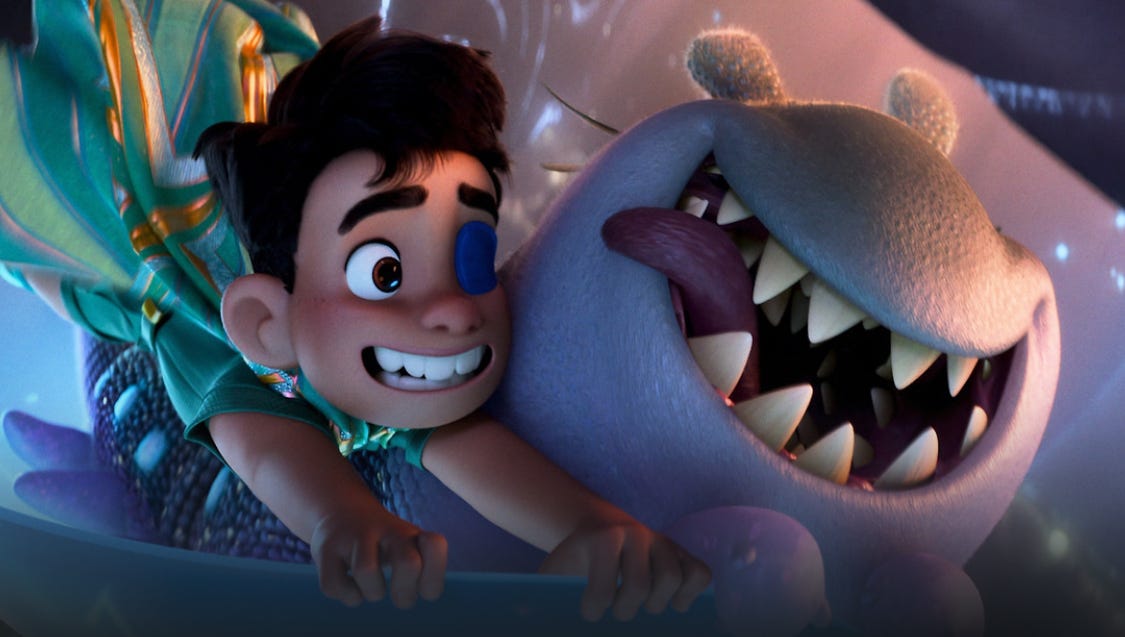
ELIO (2025)
Elio (11 y/o): “How’s your back?”
Neighbor: “Eh, you know…”
Elio (11 y/o): “I hear you!”
In a movie about the quirks of one’s personality isolating them from a society that doesn’t see the world the same as they do, it’s this string of dialogue that I related to most.
BOOKSMART (2019)
From start to finish (literally, first frame to last), the tone is just plain fun. The quality of the jokes remained consistent throughout. The main characters are so easy to empathize with — the flamboyant side characters and cliche high school villains get some depth too.
I remember the mandatory end of Act Two argument between Amy and Molly being aggravating when I first saw this years ago, but it didn’t bother me at all this time around — I thought it fit, given what we know about these characters and the place they are physically and mentally heading into Act Three.
I think this is one of the better high school comedies to come out in the past decade.
GROUNDED (2014)
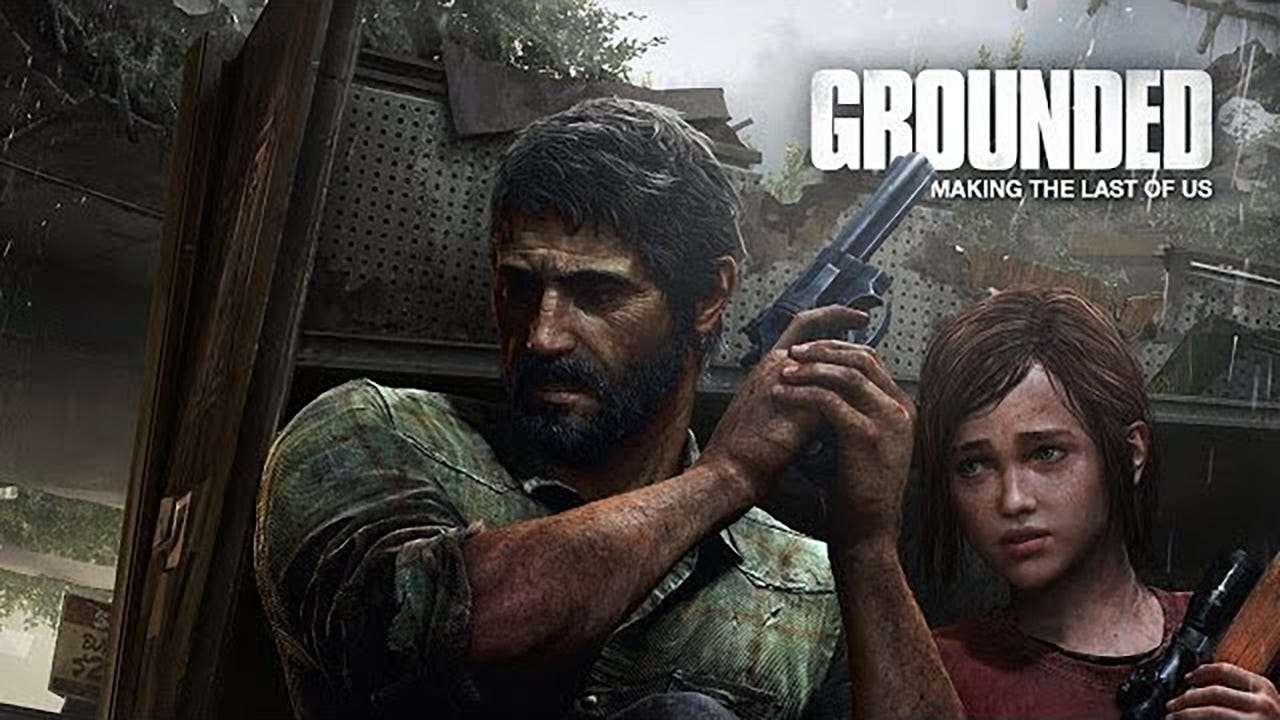
In preparation for finally diving into the sequel, I decided to play this game again for the first time in nearly a decade. I beat the game, watched the credits run, then started it up again on New Game Plus, where I proceeded to play it all over again to complete all of the challenges required for the Platinum trophy (achieving 100% completion on the game). But alas, I still hadn’t had my fill of this particular story — so before I dove into the sequel, I watched this film on Playstation’s YouTube channel documenting the creation of this beloved game.
First off, a couple parts that really stood out to me: Neil Druckmann said that at one point, they considered removing the infected altogether, as this is not a story about them, but rather about Joel and Ellie, ultimately deciding against it for the sake of the gamers holding the controller. This absolutely tracks with the product that was delivered. To consider removing the zombies from a zombie game indicates that the characters would never take a backseat to any gameplay or story decision that would be made from that point forward. We also got a look into what it was like capturing the actor’s performances. It was so cool seeing how much of Ellie came from Ashley Johnson. It was such a thrill to watch Troy Baker and Druckmann work together to get Sarah’s death scene right.
There’s so much to love about this. What a blessing it is to have a documentary set in the room(s) where it happened, the room(s) where the game was built from concept to masterpiece. We see what the work culture is like at Naughty Dog. We hear from the animators, the programmers, the performers, the writers, directors, sound designers, composers, you name it. We are introduced to the man-power it takes to make a video game.
THE LAST OF US: Season 1 (2023)
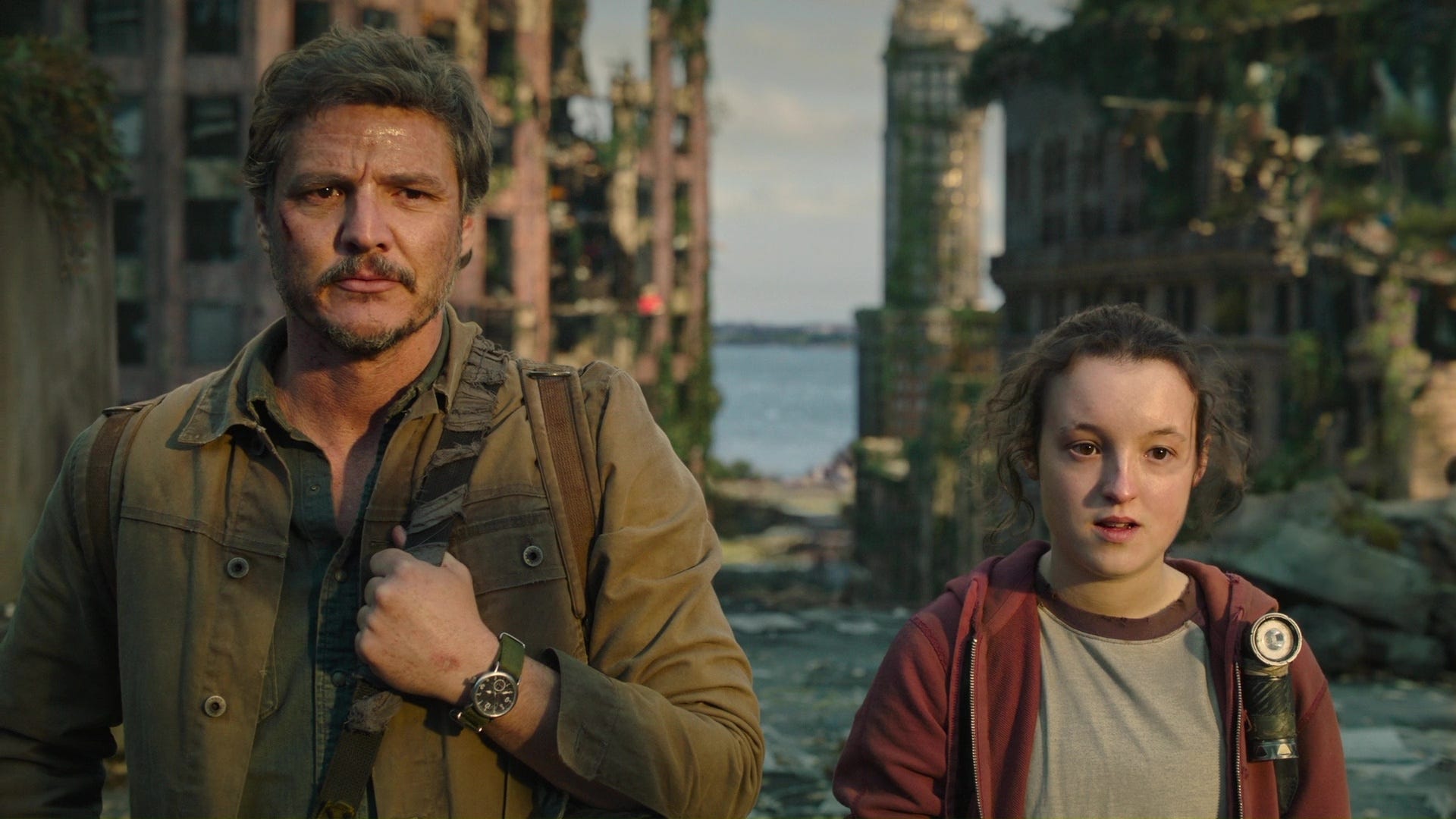
It’s been a couple years since I watched this first season, and in those couple years, I’ve only grown more attached with the source material. So, the fact that I still enjoyed this season of television as much as I did came as a surprise to me, frankly. It all comes down to the philosophy deployed by the writers for adapting the game: They would respect the source material, but they won’t create a one-to-one copy; they would use the television show to build on sequences in the game that would make for great television and add depth to the established lore (or make a change for the sake of storytelling).
In the game, we meet Bill and we hear about Frank, and their relationship is touched on ever-so-briefly. The television show spends an entire episode fleshing out the fascinating character of Bill and showing us the life he lived with the man that gave his life purpose, who eventually took his own life.
In the game, we meet David and his crew, and we realize that they’re cannibals. The show puts us in the room while David preaches, shows us how he is leading his people through hard times. We get to know the man a little more, and see how he comes to make his decisions, then we watch as Ellie is trapped in his cage and all that follows, just like in the game.
I could go on and on: We spend so much more time with Sarah before she dies (in a genuinely remarkable first episode); we get a better picture of who Henry and Sam were before their tragic demise; we get a better feel of Jackson, which doesn’t play a huge part in the story until Part 2.
There were a few changes that rubbed me the wrong way, however — when your philosophy is to be liberal with changes to the source material, you win some, you lose some. One in particular was the way they decided to leave Jackson in the show — the moment between the three of them as Joel tells Ellie to get on his horse is a top-five moment in the game for me, so making the changes that they made and undercutting that moment hurt my soul a little bit, even if the goal was to give Ellie some more agency in the matter at hand; the decision was not up to her, and that was kind of the whole point.
Finally, I’ll mention that I thought placing the Left Behind episode where they did on the schedule as a mistake, even if that’s technically how the DLC’s story is framed — we simply must go from the episode of Joel being gravely injured to the episode of Ellie fighting through hell to keep him alive. If that means cutting that prequel story from the slate entirely, so be it.
All in all, I still very much enjoyed this first season of The Last of Us. It does not attempt to remake the beloved story told in 2013, but rather uses it as a guiding light to flesh out parts of that beloved story that weren’t allowed the time and space to be fleshed out in the game.
Previously Reviewed on March 12, 2023
GROUNDED 2 (2024)
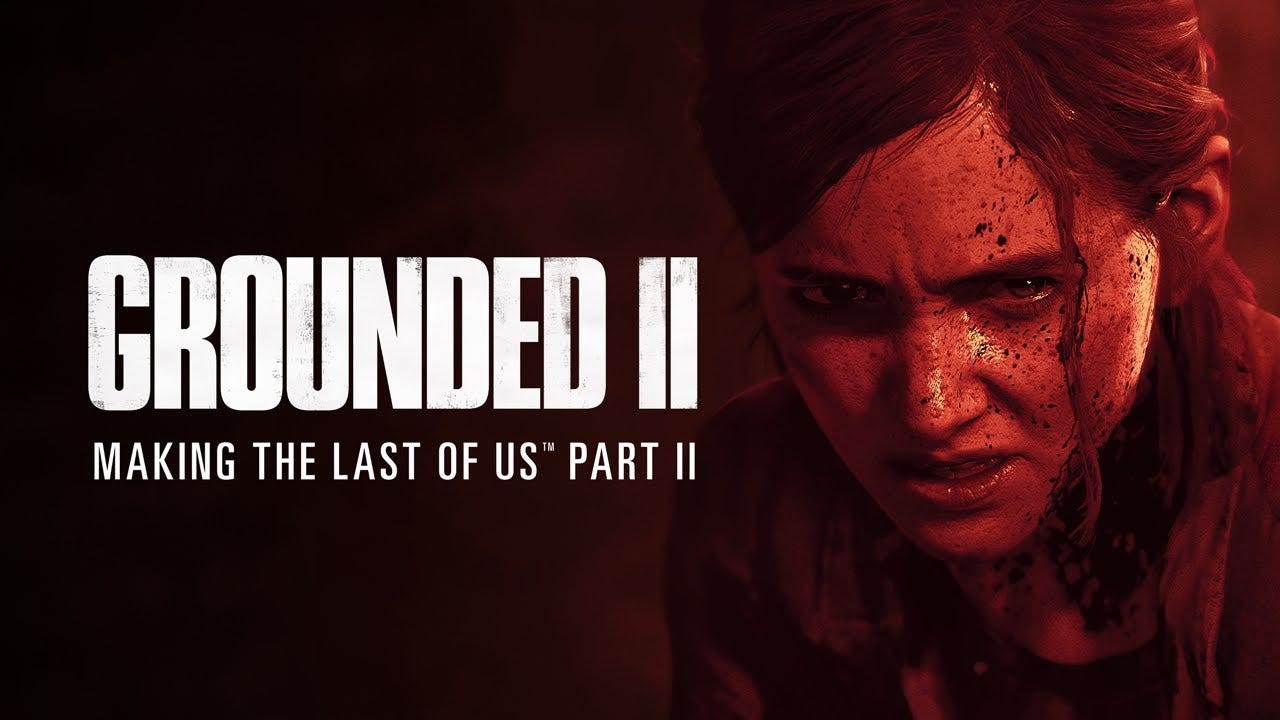
This documentary spends less time on the craftspeople and spends more time talking about and inside the mind of Neil Druckmann — which is exactly what I’d want the topic of this documentary to be. Through Neil, we see how the idea for this project took form, and how those ideas brought forth controversy, the likes of which I’ve never seen for a video game. We see how meticulous Neil is with what gets shown to audiences in the process of making the game, and when — the parts about preparing the teasers, trailers, and gameplay reveals all leading up to how a devastating flood of leaks affected the entire team at Naughty Dog. From those leaks forward, this masterpiece of a game has been tainted by dirt flung by small minds, and this documentary certainly doesn’t shy away from any of it.
P.S. I got the Platinum trophy for this one almost immediately after completing Part 1. I made the “small minds” comment above because, in my opinion, the story that Neil and Naughty Dog were endeavoring to tell here absolutely worked. I think the choices made, and the execution of those decisions, were big, bold, and unequivocally successful. I fully experienced the game that they hoped to deliver. This story checks so many of my storytelling boxes. Complex female protagonist(s). Profound character arcs. Relationships doomed due to personality flaws. Countless parallels between characters and their respective plot-points. Set-ups, pay-offs, and call-backs. Small human moments, big dramatic set pieces grounded in character. I am a known lover of depressing stories, and this is a delicious stew of interweaving depressing stories — but it’s not without a helping of hope for humanity. I said it immediately after reaching 100% completion, and I still feel the same way a few weeks out: I think this is officially my favorite game of all time (overtaking The Witcher 3: Wild Hunt on my overall rankings).
THE LAST OF US: Season 2 (2025)
I’m just going to ramble a bit, hit Enter, and just move on, because I don’t want to spend enough time gathering my thoughts on this season to make an intelligible review, but I also don’t want to let my fingers run wild to their hearts’ content, because both of those options require me to be depressed for longer than I would prefer to be. So, please know, if this review seems long, it should have been exponentially longer.
First and foremost, it doesn’t really feel like this season even told a real story, let alone a full story or a coherent story. It just feels like a compilation of poorly adapted scenes or sequences pointlessly fabricated, placed beside each other to give off the illusion of progress. I don’t know how anybody unfamiliar with the source material could know with certainty what exactly is going on and why. To riff off of the sequences that were pointlessly fabricated: When Season 1 made stuff up, it usually added quality lore to the source material. Rarely is something of any import added here. The changes that are made to Season 2’s source material are disrespectful at best, criminal at worst (forgive the hyperbole; I love this game). What’s most frustrating is that the scenes that are faithfully adapted are mostly pretty great.
Even so, the elephant in the room of every scene remained: While Bella Ramsey plays a good 14-year-old Ellie (this season’s flashbacks once again prove this), I fear Bella Ramsey is a bad 19-year-old Ellie. There’s no sugar-coating this, but also, there’s no need to linger on it either — dead horse and all. I will say, in her defense, the writers set her up for failure in what I think was their attempt to make the best with what they had to work with, knowing that Bella wasn’t going to be able to adequately bring the video game’s Ellie to life on screen this season.
I’ll move on from that belabored point to a few moments that stood out to me, for better or worse.
I think I liked the change to Eugene’s story, as I think it fit Joel’s character to do awful things in order to ensure the survival of himself and those he loves. However, I don’t like what that sequence did for Ellie’s character, and I don’t like that it was used as a replacement for another pivotal scene in the game. That being said (writing is complicated), the pivotal scene that was replaced was combined with another pivotal scene, which I thought was executed pretty darn well, all things considered.
Jackson’s stand against the zombies made for great television, I’m not going to lie, but it wasn’t worth the cost of Tommy not being at the cabin with Joel when Abby went golfing. The repercussions for Tommy’s character into the future are far more negative than the positive repercussions that come with Dina being there with Joel instead.
Speaking of Abby going golfing, I can’t possibly talk about this season without talking about its (arguably) most pivotal scene. Kaitlyn Dever absolutely murdered everything she was given to work with. In fact, there’s a legitimate argument to be made that she did too good a job. We see the pain brewing inside of her with every word she utters, and that makes a character we’re supposed to hate so much more sympathetic. The writers didn’t help in this department either, providing Abby with more screen-time than she probably should have gotten (especially considering Dever was eating up every scene she was in). The narrative wants us to think Abby and her crew are monsters — to best do that, we should have seen much less of Abby and her crew than we did. The season literally opens on Abby at her father’s grave. That’s an incomprehensibly poor decision if your goal is to adapt the story that the game so masterfully told.
I thought Ellie’s reaction during and immediately after the golfing sequence was great. Even the start of the next episode, when she woke up in the hospital, screaming with panic after picturing traumatic images that were now certainly seared into her mind. But then, the opening credits played, and we cut to three months later, and she’s literally joking around about missing him with her therapist. There were hints of the writers’ character assassination of Ellie prior to this point, but this is when things got really bad. This just isn’t the character from the game. It’s not just a poorly adapted version of her; it’s not her. Like I said earlier, I can see 14-year-old Ellie from the first game in Bella Ramsey from Season 1. But 19-year-old Ellie from the sequel is not present here; Bella is playing an original character who goes through similar experiences as Ellie Williams did in The Last of Us: Part 2.
Anyway, yeah, everything from Episode 3 onward was a deeply unpleasant experience to sit through for me, the source material to this season being my favorite game of all time. I guess I’ll just leave it at that.
SUPERMAN (2025)
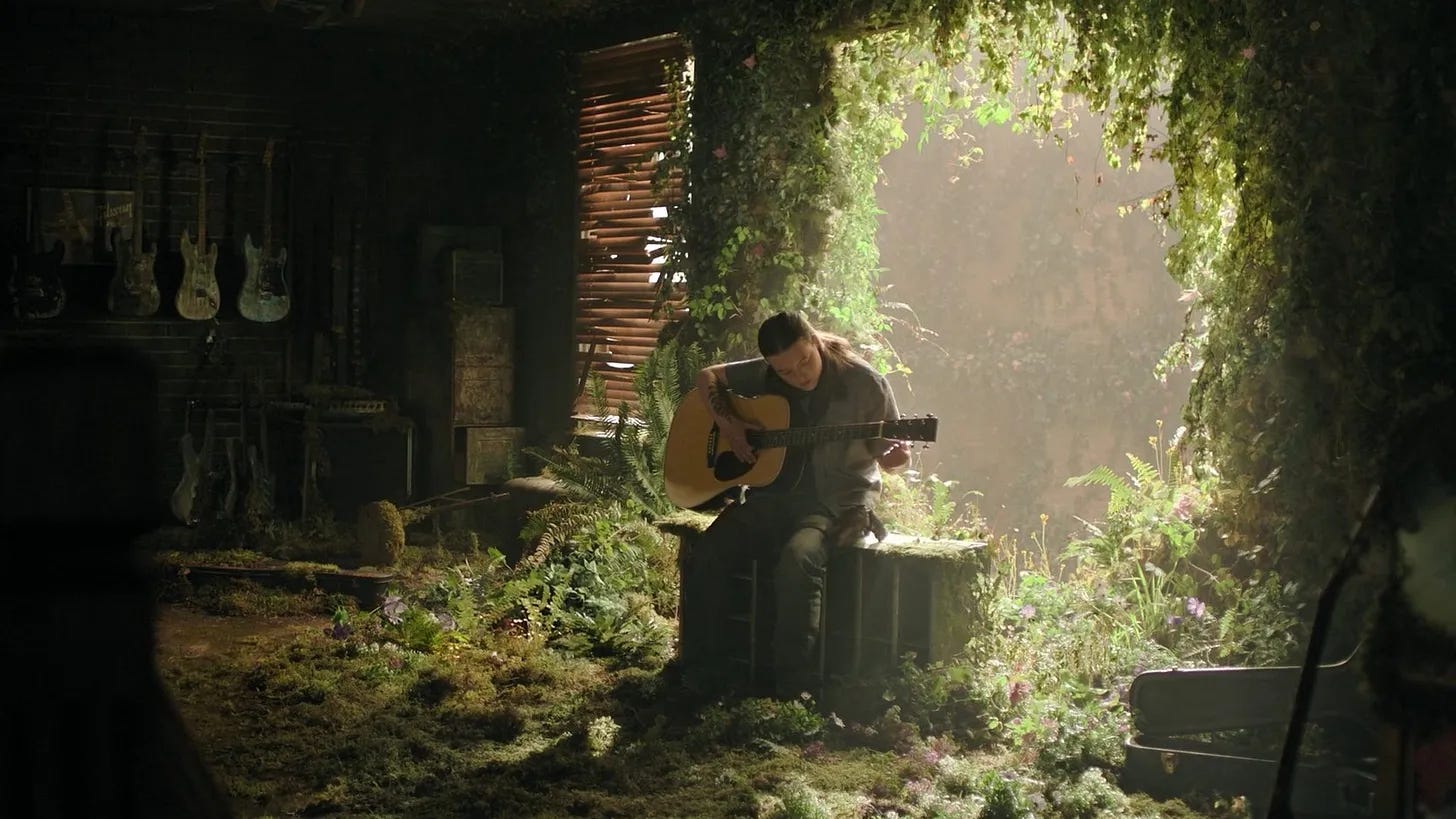
When we spent something like ten minutes straight in a small apartment listening to Clark and Lois do nothing but talk in the first act of a blockbuster Superman movie, I knew we were in for something special.
In true James Gunn fashion, I actually cared about the characters — I was hooked by how human they felt. Superman’s heart is in the spotlight, the blood pumping through everything in this film. Lois was a layered character. Lex Luthor was an engaging villain, playfully portrayed by Nicholas Hoult. The side-heroes were not present merely for marketing; they served a purpose for the story, and they each did the best with the screen-time they were given. The animal side-kick wasn’t just cute, he wasn’t just useful, he had a whole ass personality with flaws and unique quirks.
The character work isn’t all that’s to like in this either. The action was consistently fun to watch. The plot moved with good pace, with effective twists and turns. If I could change anything at all, I would tone down Superman’s speech to Lex a couple notches — the audience saw everything he was preaching in the hours that preceded it. Other than that, I’m happy to report that my superhero fatigue isn’t actually permanent — I just need great movies in the genre to come out more often than they do.
EDDINGTON (2025)
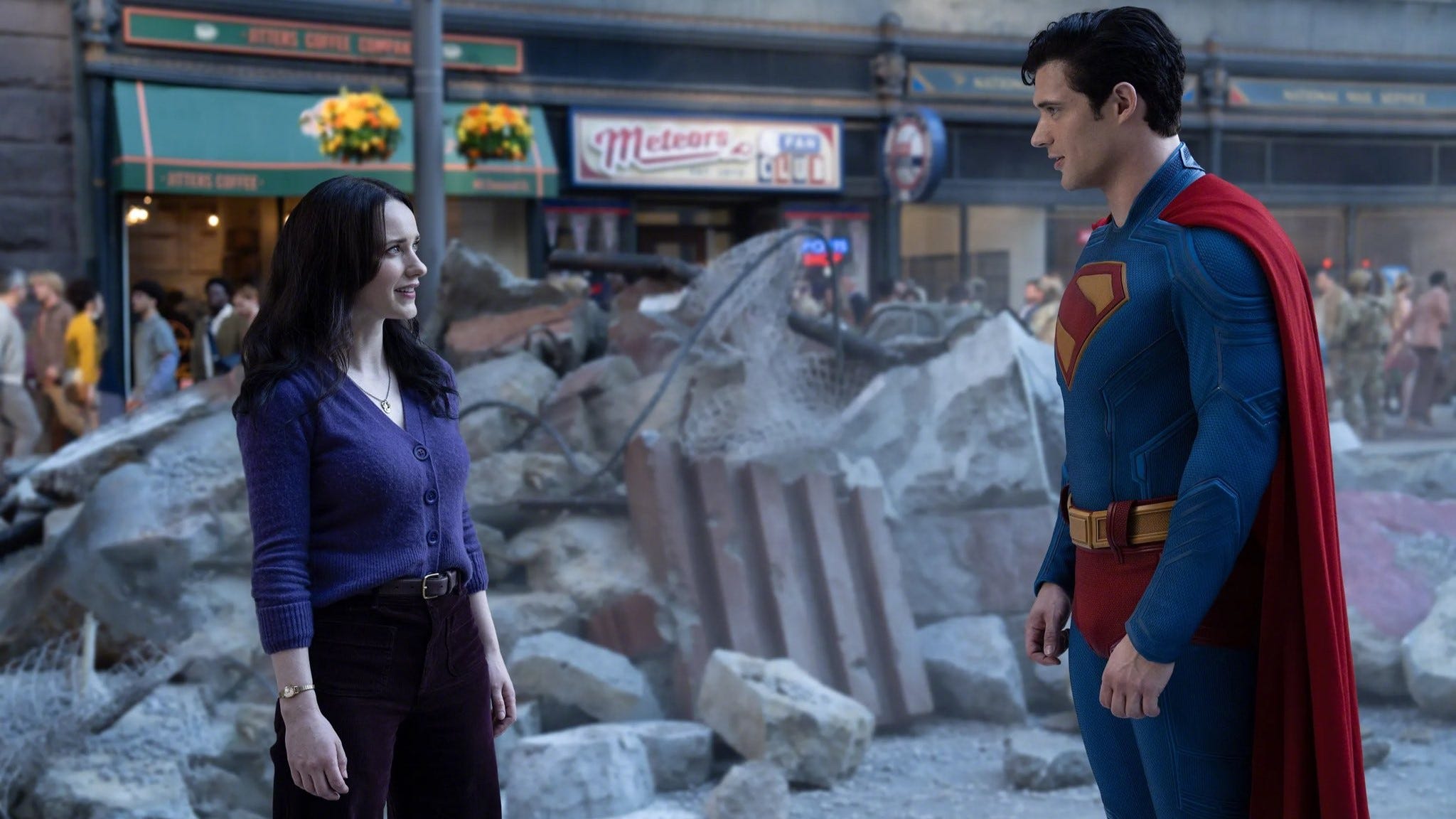
Honestly, there's a decent-to-good chance that I enjoy this film in another ten (or fifteen) years, but its modernity (a trait that it's being praised for: Modern Western, etc.) is just such an excruciating turn-off for me, living in the United States in the year 2025.
I already know this about myself: I get bumped out of a movie when it cuts to characters filming something on their iPhones, or even if the background characters are standing behind the drama with their phones up, flash or no flash. This film takes that pet-peeve of mine, cranks it to eleven, populates it with characters parodying the performative politics on both sides of the American aisle, and forces me listen to the same song and dance from 2020 that, still to this day, makes my skin crawl.
Gradually, this turns into a “Modern No Country for Old Men”, and I think the film is structured well, getting to that destination elegantly and effectively, but all the annoying (to me) stuff I mentioned above continues through to the end, so I could never really sink my teeth into this thing. I really like Ari Aster as a director, and I look forward to revisiting this (much) further down the road, but for now, this didn't do it for me.
I KNOW WHAT YOU DID LAST SUMMER (2025)
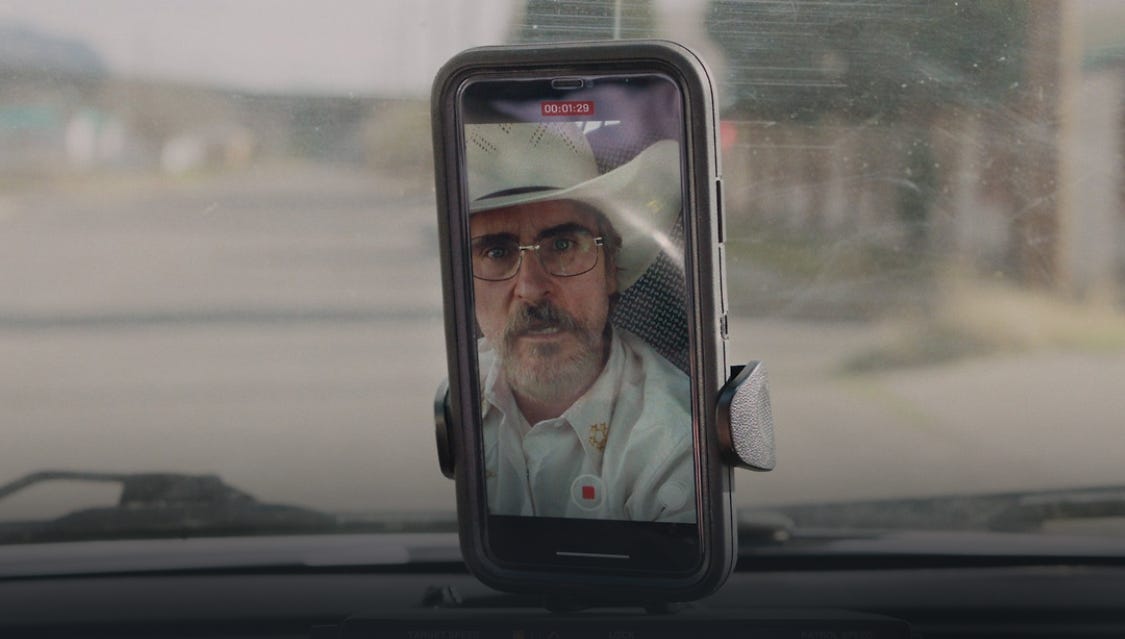
Every once in a while a slasher will come out and I’ll enjoy it and it’ll get me into the cinema to see the other slashers to come out over the next few months but that just usually means I have to sit through not-great movies over and over again just for the chance of coming across another gem.
Anyway, Heart Eyes is the slasher I enjoyed earlier this year which led directly to me fighting the urge to walk out the theater for the majority of the runtime of this one.
THE FANTASTIC FOUR: FIRST STEPS (2025)
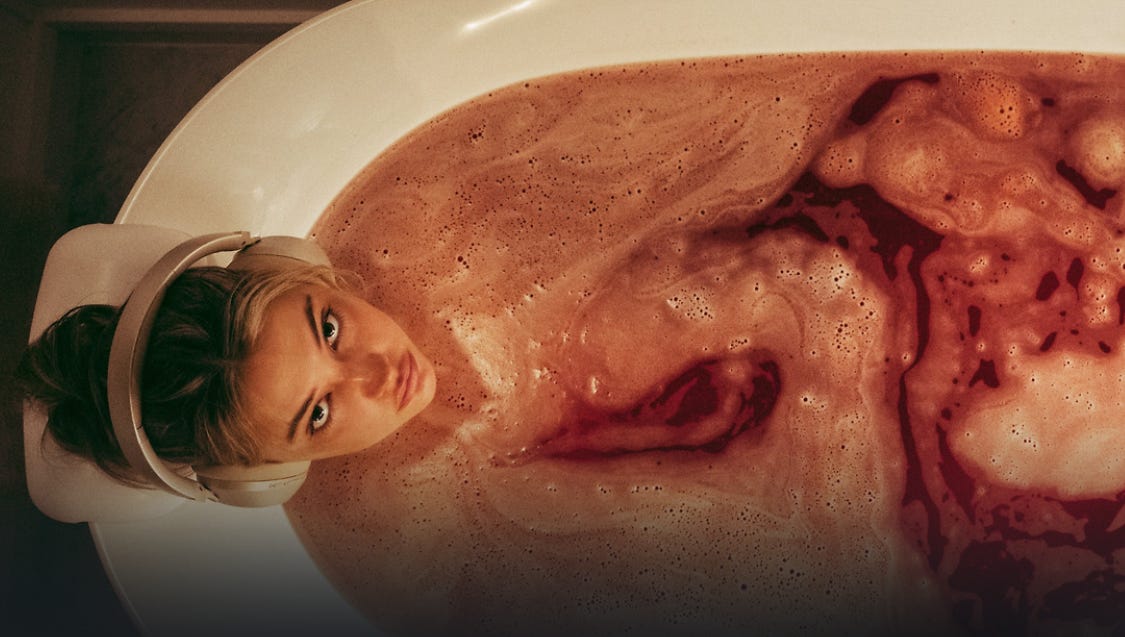
This newest entry to the Marvel Cinematic Universe is low on action and high on character. We spend damn-near this entire movie hanging out with the Fantastic Four, getting to know them as individuals and getting to know them as a family (not merely a team). At some point, I found myself genuinely impressed by how much time we’d already spent developing these characters and how little time we spent on any kind of protagonist-antagonist clash — they established Galactus’ might but we didn’t have to watch the heroes fight a world-ending titan like mosquitos pestering a grizzly bear. That’s a recipe for disaster, cinematically speaking.
This approach paid off at the climax, when the bond established between the members of this family was front and center, and I found myself actually feeling real emotions during a superhero movie — a feat rarely achieved by the MCU, dating all the way to its inception.
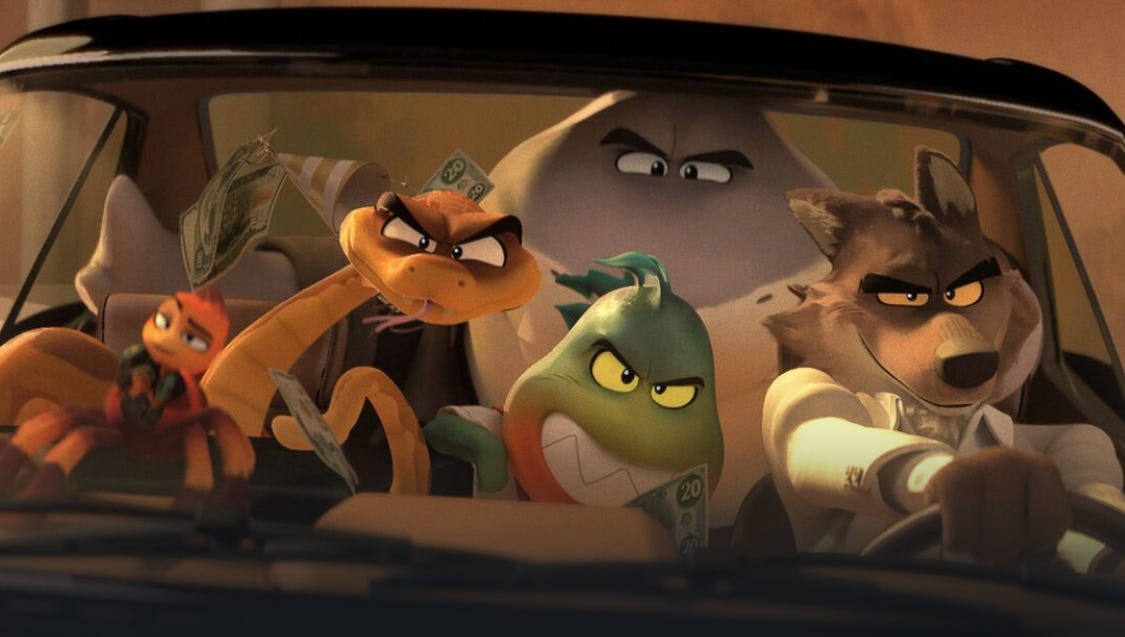
THE BAD GUYS (2022)
The characters were fun to follow. The dialogue was snappy enough to be pleasing. The plot chugged along at a satisfactory pace. The story had enough heart mixed into the twists and turns to add real depth. The animation was consistently engaging, if not beautiful. All in all, solid flick.
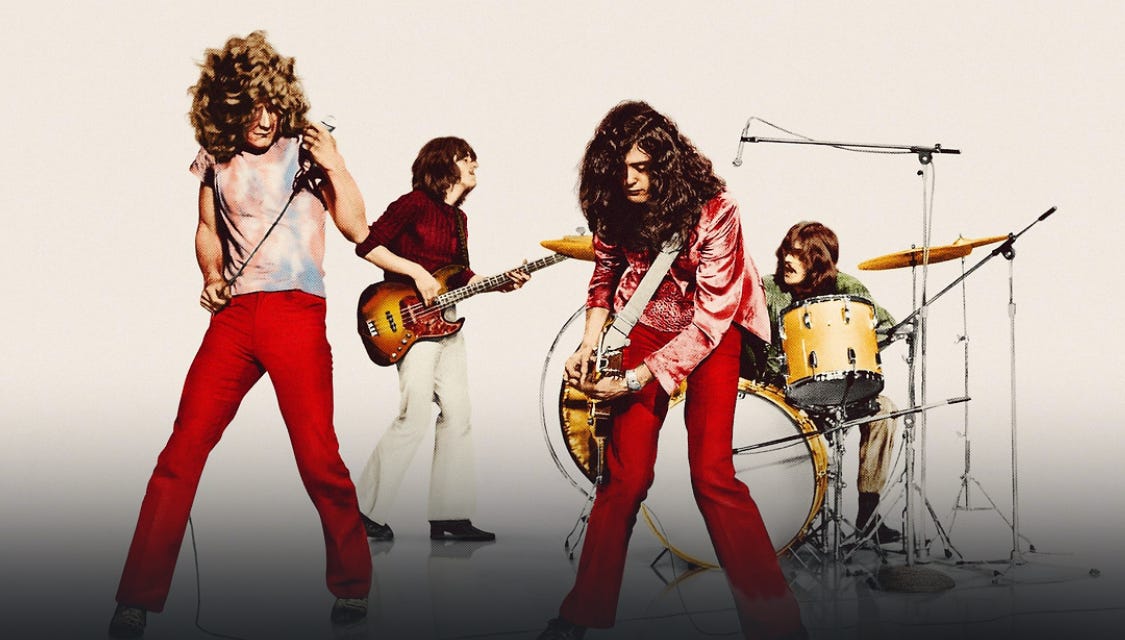
BECOMING LED ZEPPELIN (2025)
As an outside observer, it seems to me that this documentary was essentially created to be the mode of delivery for reels of rare archival footage of the band’s earliest years. Modern day interviews with the surviving members fill the runtime covering the pre-band days, but after that, it’s more-or-less just music video after music video made up of archival footage, with some more modern day interviews interweaved throughout.
Does all of the above a documentary make? I’m not so sure. Did I enjoy watching this nevertheless? Yes, I did.
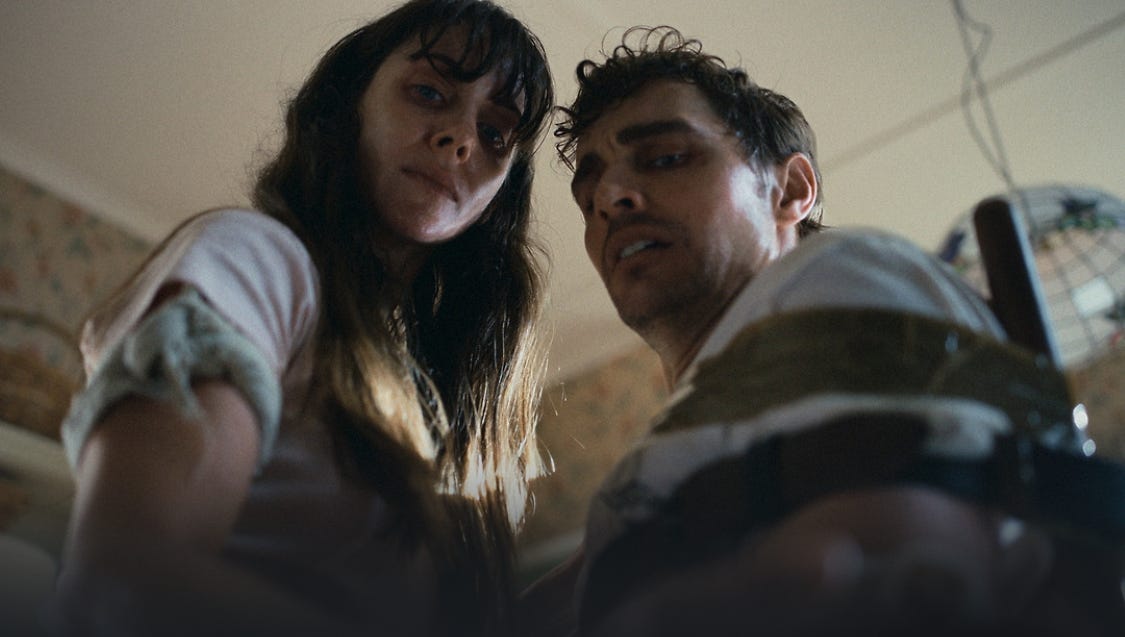
TOGETHER (2025)
The metaphor was interesting at first (if a bit obvious), but it overstayed its welcome without evolving enough to remain interesting. The paranormal activities should have been directly connected to the characters’ psyche, getting deeper as we learned more about them — their fears, their desires, their physical and emotional needs. Instead, all of the horror elements were arbitrarily connected to a loosely explained cult whose place of worship sunk under ground, where our protagonists decided to take shelter for the night after finding themselves trapped in a storm.
The good stuff here is like a seed that’s never watered. The rest is perplexing, tedious, or apropos of nothing.
DARKEST HOUR (2017)
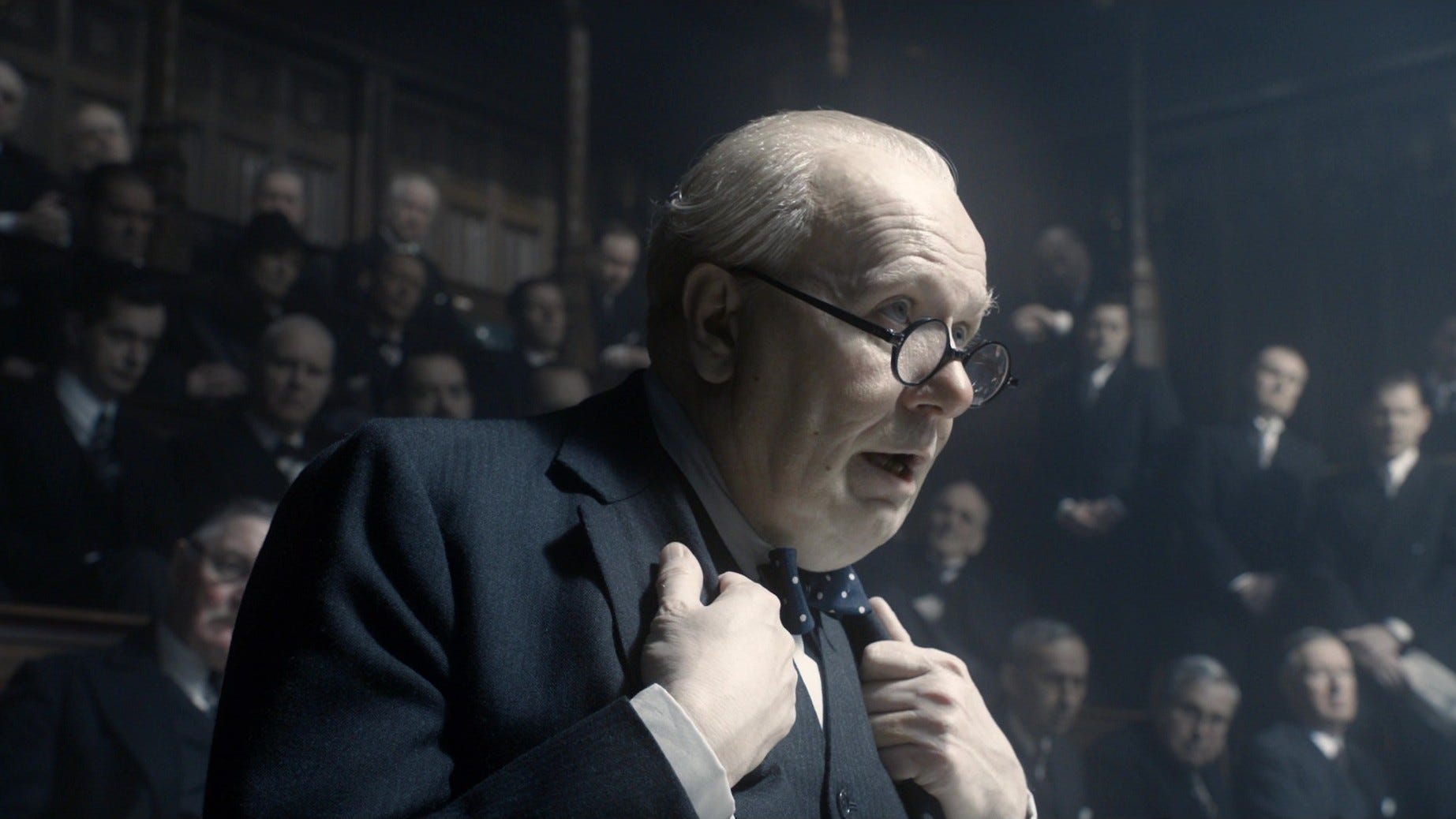
I am at the age where the subway scene made me cry. After so much debate about what’s best for the people of their nation, we hear from the people of their nation (in a scene that beautifully pays off a comment Churchill makes earlier in the film). We meet a brick layer who eagerly offered Winston a match, a mother and a five-month-old who looks like the Prime Minister, another woman who shared the same last name as Churchill’s mom, and more.
The people were of one mind: If the enemy showed up on their doorstep, they would fight them off with anything they could lay their hands on, broom-handles if they must. And to a peace deal with Hitler, a deal with the devil, they respond emphatically: Never. And thus, the debate weighing the Prime Minister down had been settled.
“Then out spake brave Horatius, the Captain of the gate:
To every man upon this earth death cometh soon or late.
And how can man die better than facing fearful odds,
For the ashes of his fathers, and the temples of his Gods?”
DUNKIRK (2017)
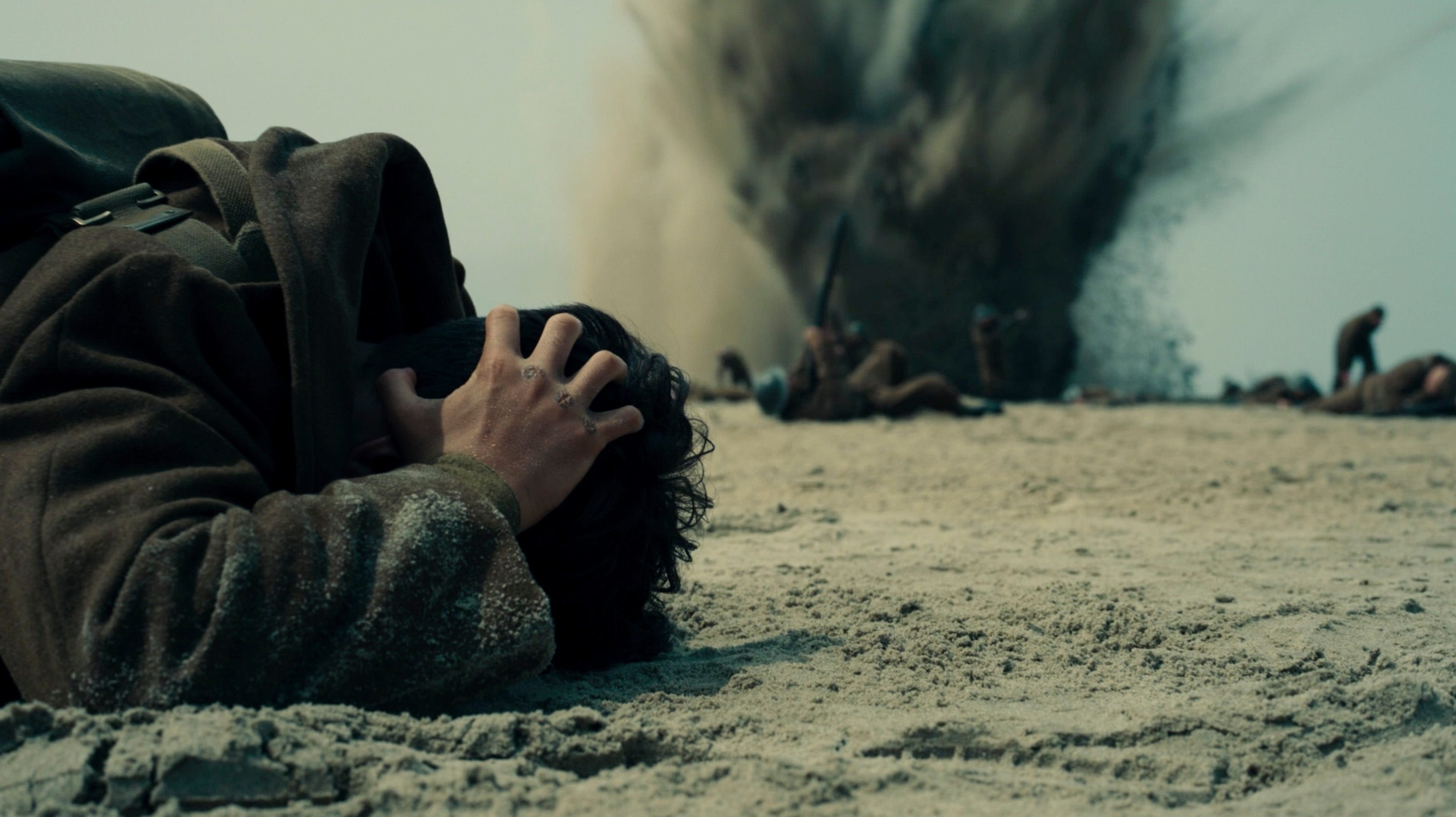
The story of World War 2 cannot be told without describing the force that was the Luftwaffe, Germany’s official air force from 1935 to the end of the war. Countless accounts from veterans describe what it was like to be gazing up at the sky as those planes screeched into sight like a bat out of hell before leaving destruction in their wake. There’s a hundred things I can say about this film, but this is what stuck out to me most: Chris Nolan made the Luftwaffe feel like one of the scariest monsters I’ve ever seen in a movie. When those boys dreaming of home heard a high pitched noise in the distance, time stopped — it was as if everyone stopped breathing. Like fish in a barrel, all they could do was pray it wasn’t them that the bombs rained down on. The beaches weren’t safe. The ships meant to save the soldiers from those beaches weren’t safe. The British (and French) were absolutely helpless but for the Royal Air Force patrolling the sky in an attempt to mitigate the damage and death toll.
P.S. This is the perfect movie to watch right after fellow 2017 release, Darkest Hour. The stories line up borderline seamlessly, and they’re different enough tonally to make for an ideal double-feature night.
WEAPONS (2025)
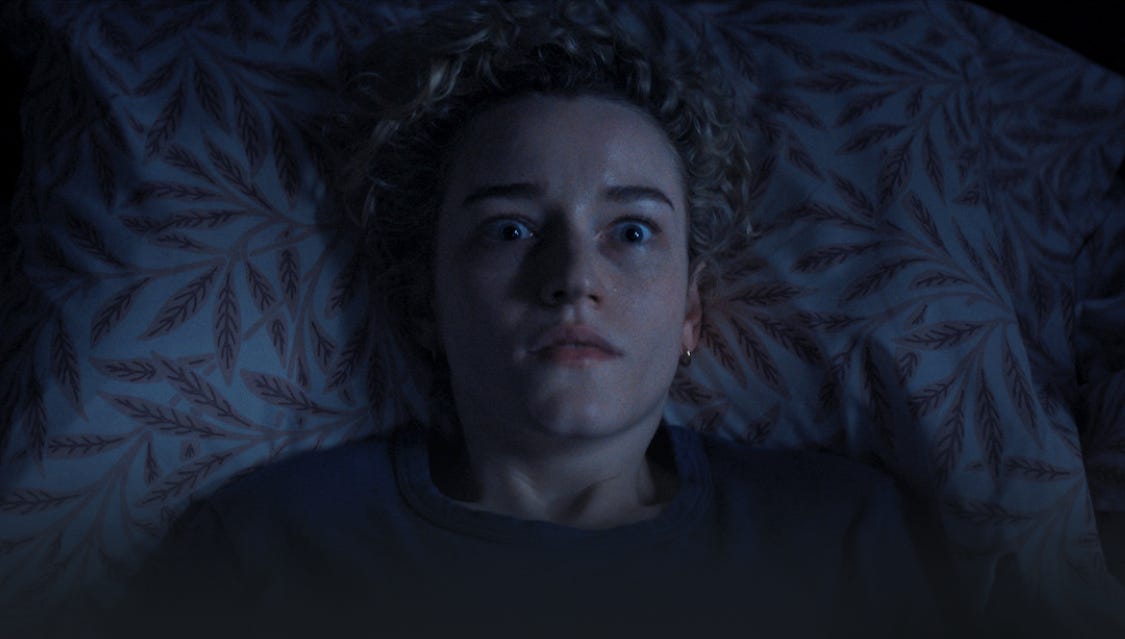
This story is told through the eyes of several beautifully layered characters in a town where seventeen elementary school students inexplicably went missing on the same night. What follows is what I thought was a story about how a community is affected by great tragedy. We see characters fall into the arms of their vices. We see their worst traits bubble to the surface. Fingers get pointed, then lives are ruined — and/or the other way around.
Then, a good ways through the runtime, we’re introduced to the actual antagonist of this film, and my reading of the story shifted. After a while wading in the terrors built by the writer/director, searching for signs through the darkness, I started to see this story as a modern day folk tale about a witch. My reading could very well be way off, but once I started viewing the film with that lens, my wading in the darkness started to become far more focused.
Allegories, metaphors, and all the like aside, I’m so impressed by Zach Cregger’s directorial work here. Even when I wasn’t sure where the film was going or what it was trying to say, I was still feeling everything he wanted me to feel whenever he wanted me to feel it. I was tense when he wanted me to be, jumped when he wanted me to, squirmed and flinched and laughed when he wanted me to. Not unlike his antagonist, he was in full control of my emotions, my attention, and my experience watching this, only his second feature film.
SCHINDLER’S LIST (1993)
There are some movies that are so admired, so revered, so perpetually on the lists for greatest cinematic achievements of all time. I’ve been obsessed with cinema and have been consistently consuming films since 2012 — sometimes, you watch those “revered” movies and you’re left simply befuddled as to why they became so admired in the first place. But sometimes, you’re faced with a three-and-a-quarter hour behemoth revolving around one of the most depressing subjects in human history, and you realize that some films have stood the test of time for a reason. You realize why a discussion about cinema’s history cannot be conducted without their mentioning.
This film was released the year I was born, which means I literally had my entire life to sit down and watch it. I chose to wait 32 years instead. Without belaboring my above point any further, I’ll just say it’s astonishing how good this movie is. Yes, it’s long, but frankly, there’s few better ways for you to spend three-plus hours in front of a screen.
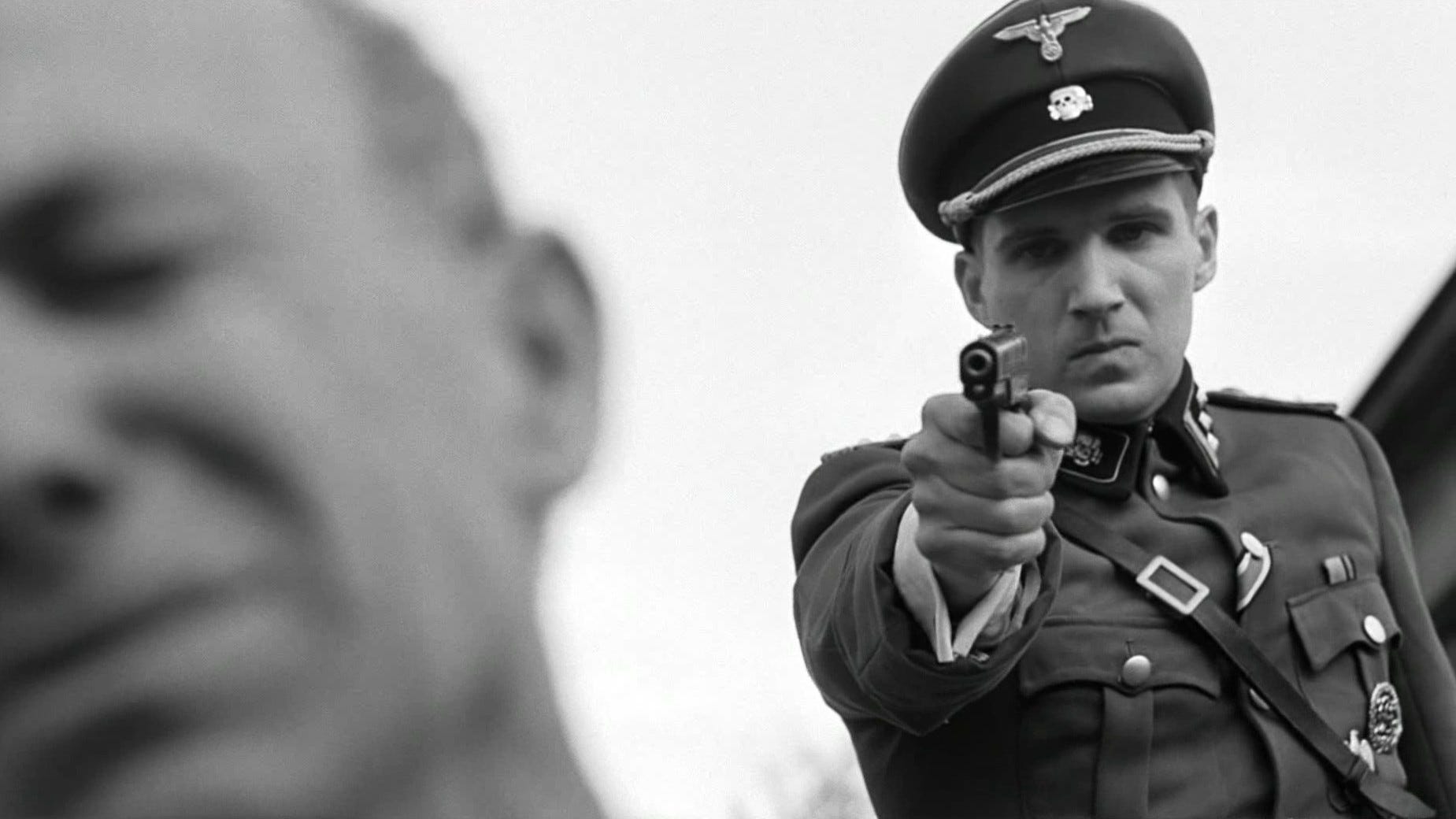
There’s absolutely nothing I can say to add to the conversation for this film, seeing how late I am on it, but I can’t end this without mentioning what stood out to me most on my first viewing of this Cinematic Mount Rushmore motion picture: The script is otherworldly, seriously; the score is haunting; Spielberg was put on this earth to do exactly what he’s spent his life doing; Ralph Fiennes was so astoundingly good (and utterly terrifying) in this role — it is a crime against humanity that he didn’t walk away with the Oscar for his onscreen crimes against humanity.
OPPENHEIMER (2023)
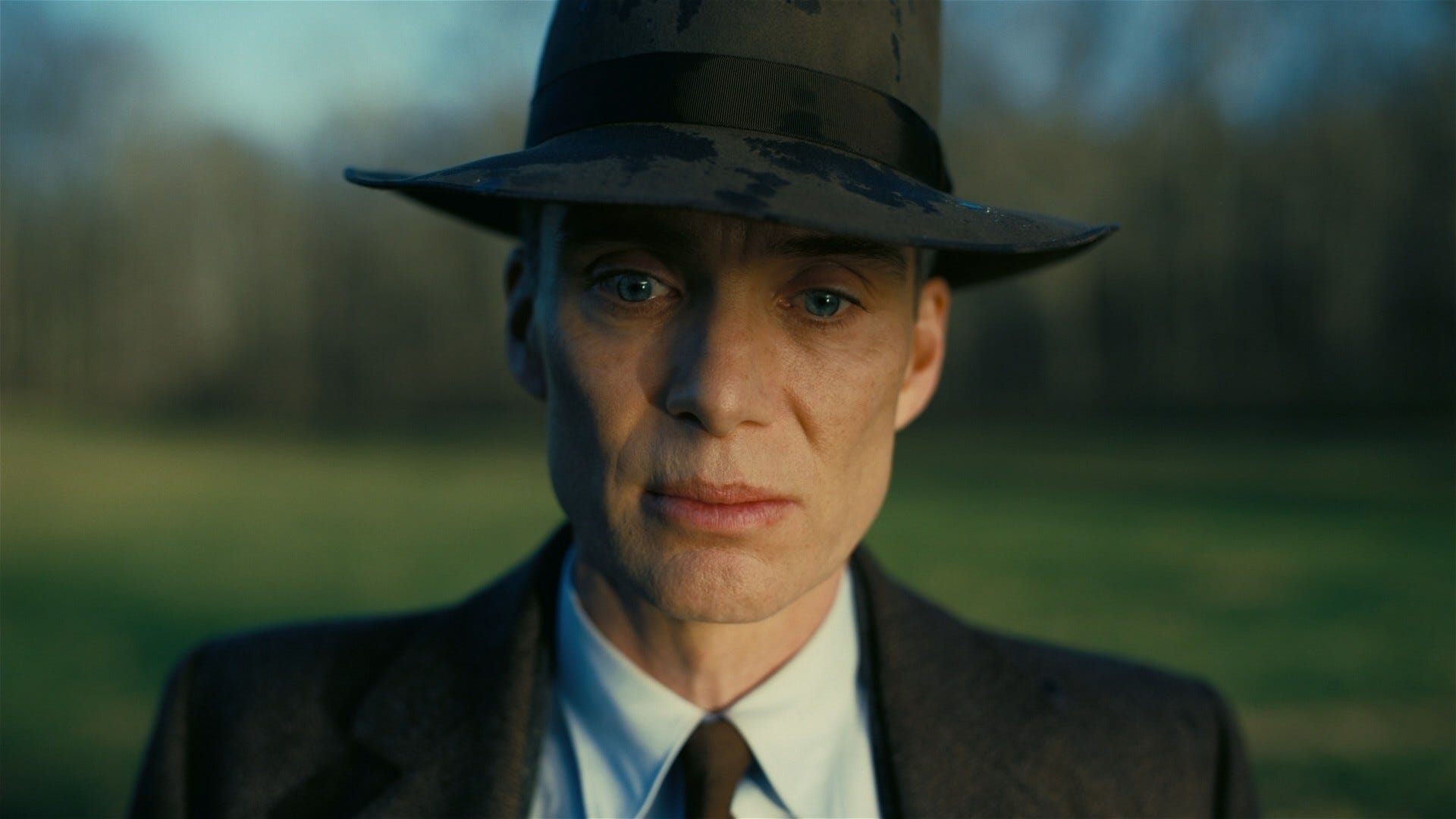
This is my only rewatch of this film since seeing it at the cinema, and sitting through it again in my bed, I distinctly recall how much the plodding pace of this narrative weighed on me then and continues to do so. On the one hand, I agree with my past self when I say this helps to really feel the journey that our eponymous protagonist goes on. On the other hand, I can’t help but imagine a version of this story where the entire subplot with Strauss was cut from the script, or otherwise chopped down for the sake of the entire narrative at large.
The first two hours of this film are dynamite, leading up to the Trinity test. It’s during this portion of the film where the pacing couldn’t matter to me less — I was strapped in and loving every second. The final hour of the film is where I started wondering whether this winner of the Academy Award for Best Picture could have benefitted from a restructuring of the screenplay at its foundation.
SAVING PRIVATE RYAN (1998)
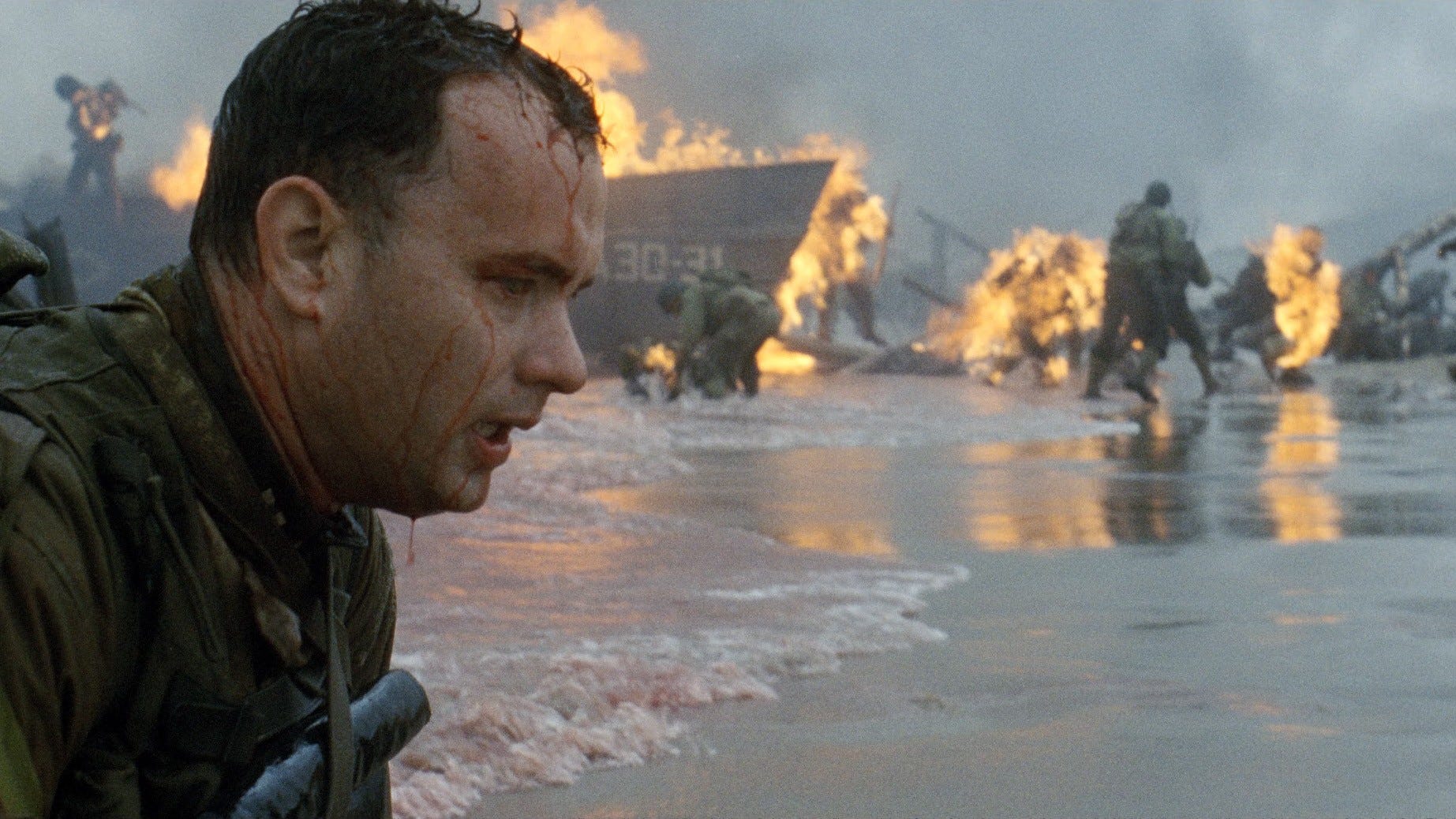
My face folding in on itself, a single tear crawling to the edge of each of my eyes, I muttered under my breath with no one else in the room, “He’s so good. He’s so fucking good.” Steven Allan Spielberg understands the connection between cinema and the human heart like you and eye understand that water is wet. This movie is gruesome, it’s gory, it’s chaotic, it’s loud, it’s disorienting, infuriating, saddening, disturbing, off-putting — but Spielberg always elegantly directs us back to its heart.
The opening thirty minutes are a renowned cinematic achievement, but by the time the American flag fades away and the credits roll, damn if you don’t feel the rest of the movie was just as effective, be it the enormous set-pieces or the quiet moments between characters.
GREATEST EVENTS OF WORLD WAR 2 (2019)
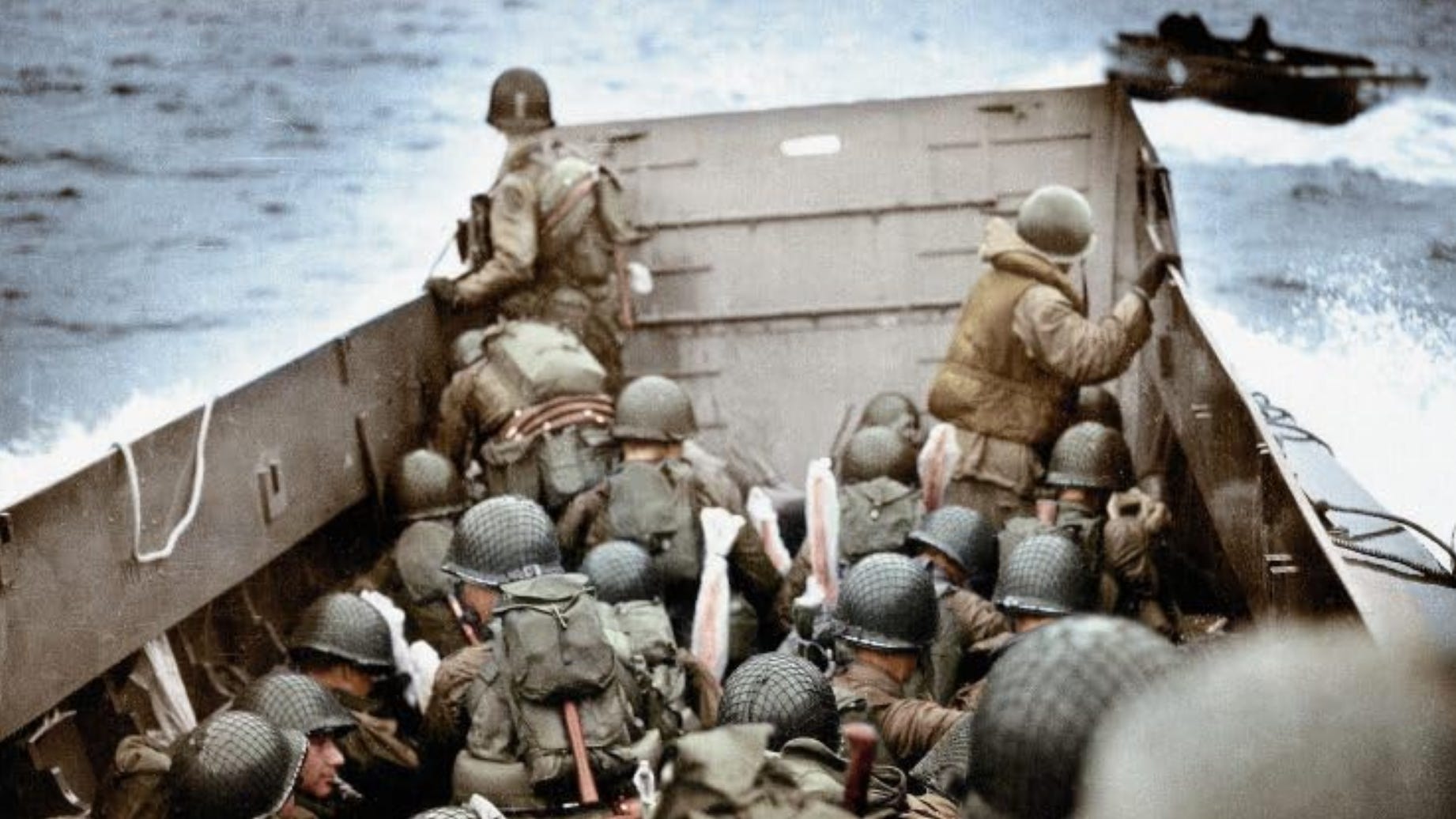
I’ve spent the last three or four weeks bingeing history content on YouTube about World War 2, which is something I do every year or so — as a lover of stories, that era is a treasure trove of them, big and small.
This exceptional docuseries highlights (as the title would suggest) several major beats on the timeline of that war, provides breathtaking colored footage from the time, and supplements the images with enlightening commentary by historians from all over the globe. I’ve consumed a lot of content about World War 2 in my day, and this right here is some of the best I’ve ever seen.
THE STUDIO: Season 1 (2025)
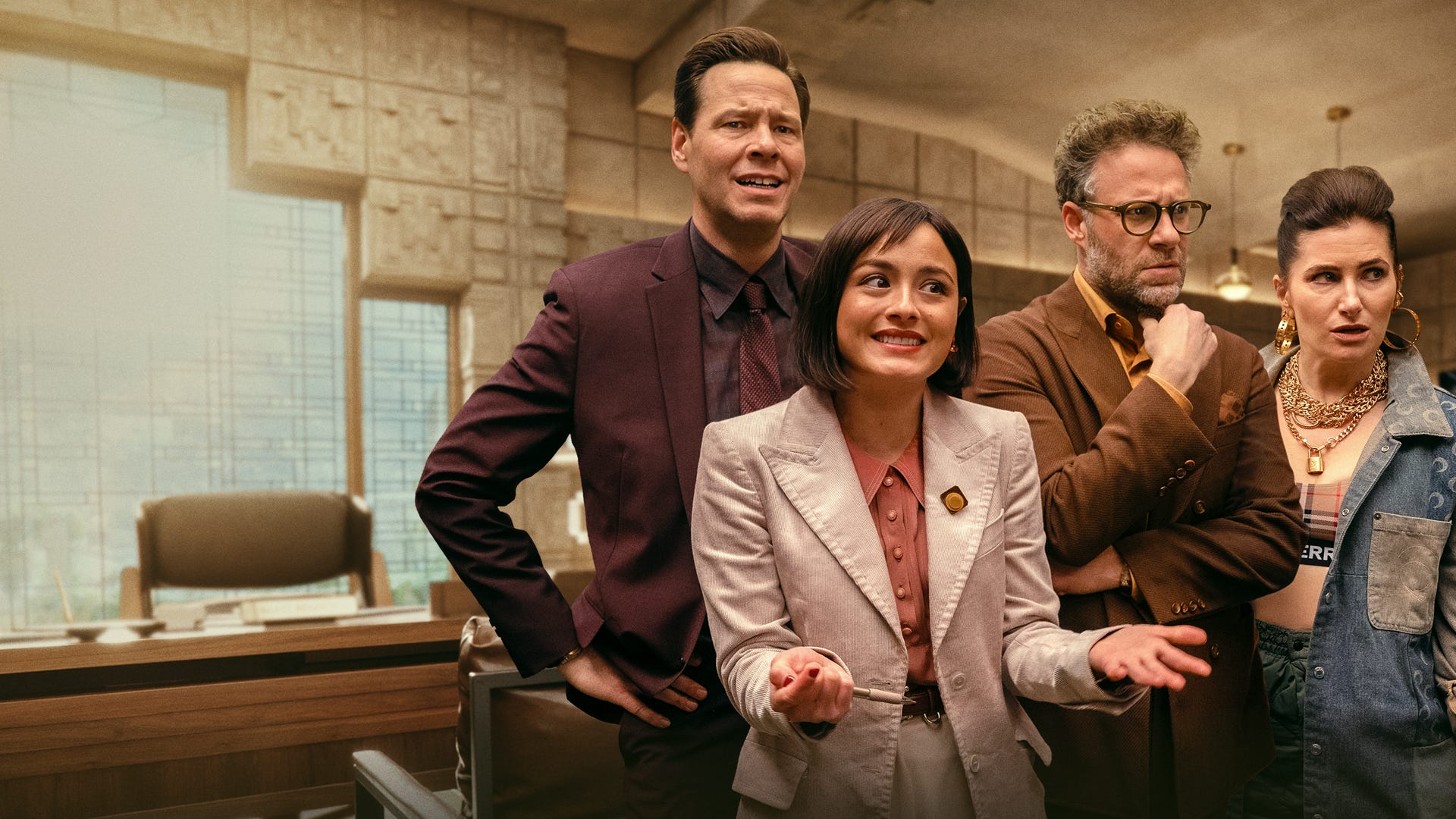
As a fan of Entourage (sue me), I was immediately struck by the energy of this series, as it felt very similar to the aforementioned HBO series. Sure, the setting is and always will be intoxicating to me, but it’s the energy of the episodes, scene to scene, that kept me engaged and enthusiastically hitting “Next Episode” when it popped up.
While a few episodes knocked it out of the park and used the concept to the fullest to deliver a great episode of television, I did feel there was another few episodes that almost felt like they would be in later seasons after the freshest and most potent ideas had been used already — if that makes sense. All in all, the episodes themselves were a mixed bag, but the scene to scene construction of those episodes kept me coming back for more. That’s a dangerous line to walk, however; the energy of the cast and the snappy dialogue can only hold this boat afloat for so long.
THE STORY OF FILM: AN ODYSSEY (2011)
In 2012, nineteen-year-old Arthur discovered his love for movies. No passion before or since has taken over his life in quite the way cinema did. I became utterly obsessed. I watched movie after movie after movie after movie. I consumed analytical content and every interview with every filmmaker I was in love with at any given time. This is not an exaggeration: The entire trajectory of my life was altered in 2012; I am where I am today, who I am today because of my love for movies.
With that dramatic preface out of the way, I can say that in that first year of manically watching movies and inhaling and digesting everything there was to find about movies, this docuseries was one of the productions that sticks out to me, all the way to this day. I don’t recall which streaming service it was on at the time, but I went years trying to find it after it disappeared, to no avail. I’d forgotten about it in the decade since, then like an early half-birthday present to me, it showed up as a recommended watch on Prime Video. After the happy hormones settled down, I pressed play. Much to my great pleasure, the happy hormones continued to spike with every episode as I found that this limited series on the history of cinema is just as good as I remembered, and just as informative to me now as it was back then.
HONEY DON’T! (2025)
This film forced me into a crouched position just outside the theater, looking up every movie the Coen brothers have made together. I saw a few of my favorite movies of all time on the list. Seven Oscar nominations for Best Screenplay, and two wins. Three Best Director nominations with one win. Three Best Picture nods, one win.
Joel and Ethan Coen haven’t worked together on a project since 2018. Since then, Joel wrote and directed a film that was nominated for three Academy Awards, and Ethan appears to be hellbent on proving that big brother was the only talented one all along.
JOJO RABBIT (2019)
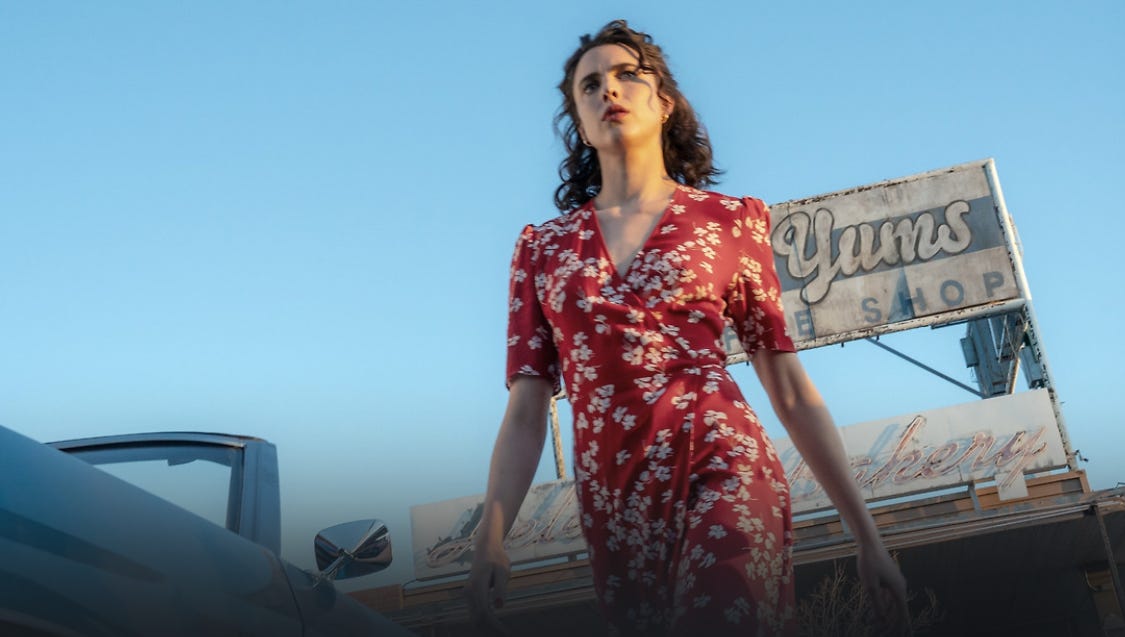
A piece of writing advice that I heard many years ago from a source I can no longer remember claimed that we learn about characters through their relationships with other characters. Through the course of this film, we learn about who Jojo is at his core by watching certain relationships in his life wither away as others blossom into something beautiful. This character says one thing to himself and the world at large, but we see who he really is in his heart and soul through the other human beings that cross his path, that challenge him, make him question his place in the world, and wish to see the best in him. Taika Waititi must’ve also heard the above advice at some point, because this film is a shining example of that principle at play.
CAUGHT STEALING (2025)
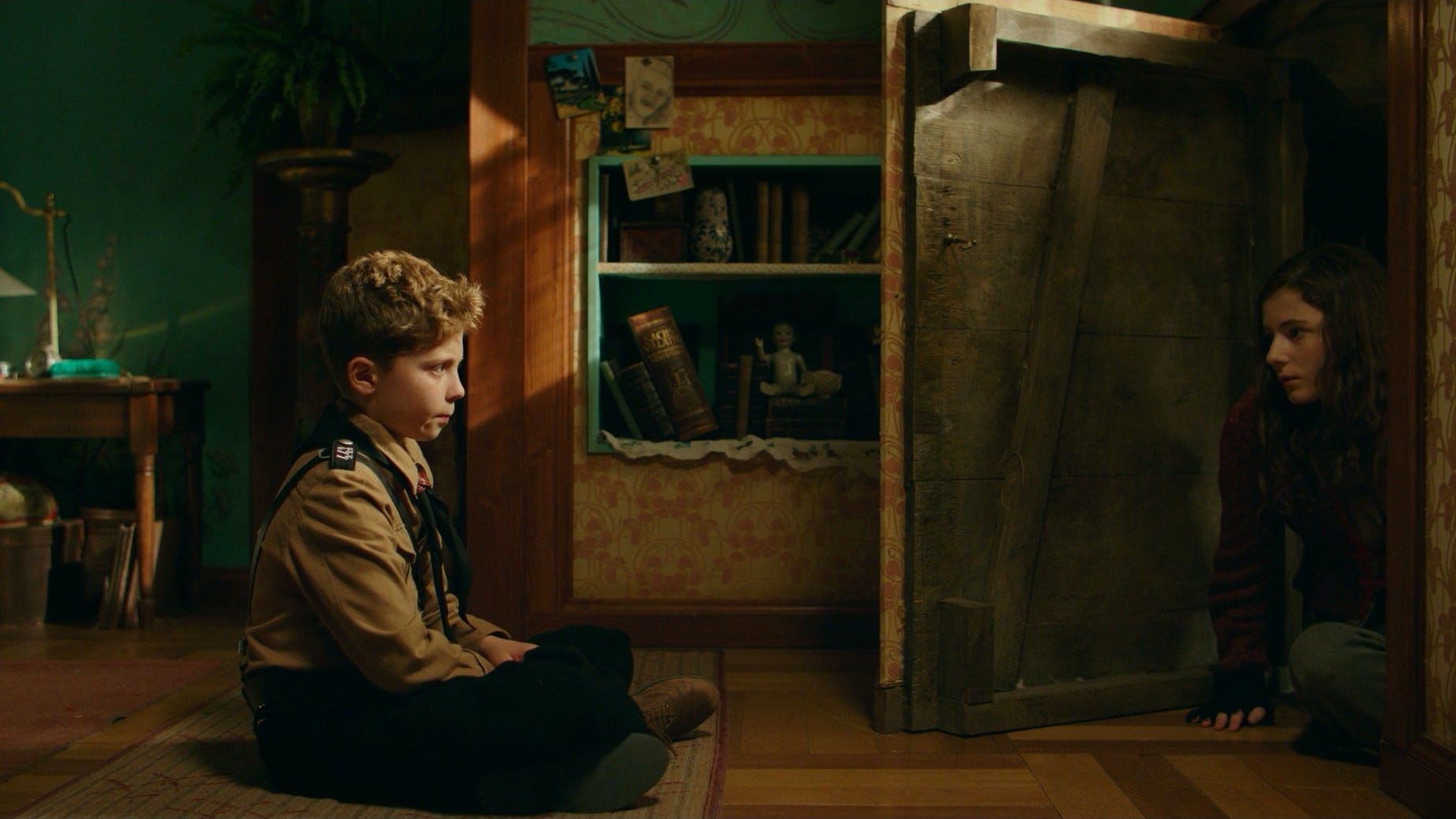
For better or worse, audiences come into a movie with certain expectations given the director attached to the project. This could work to a film’s benefit (see: Once Upon a Time in Hollywood), or it could work against the film (see: Caught Stealing). If at least half the audience isn’t muttering to their significant other about how terrible the movie was, did I even watch a movie by Darren Aronofsky? I don’t know why this renowned director suddenly decided to go and make a film so safe, so inoffensive, so aggressively mid. This isn’t a bad movie. It’s quite engaging actually, scene to scene. But the parts never add up to a whole worth writing home about. There’s nothing special here — something I never thought I could say about an Aronofsky picture, something I hope to never say about an Aronofsky picture again. Here’s hoping, for the next project, at least a quarter of the audience in the cinema calls it the worst movie they’ve ever seen in their life. That’s how I’ll know we have our old buddy Darren back.
THE ROSES (2025)
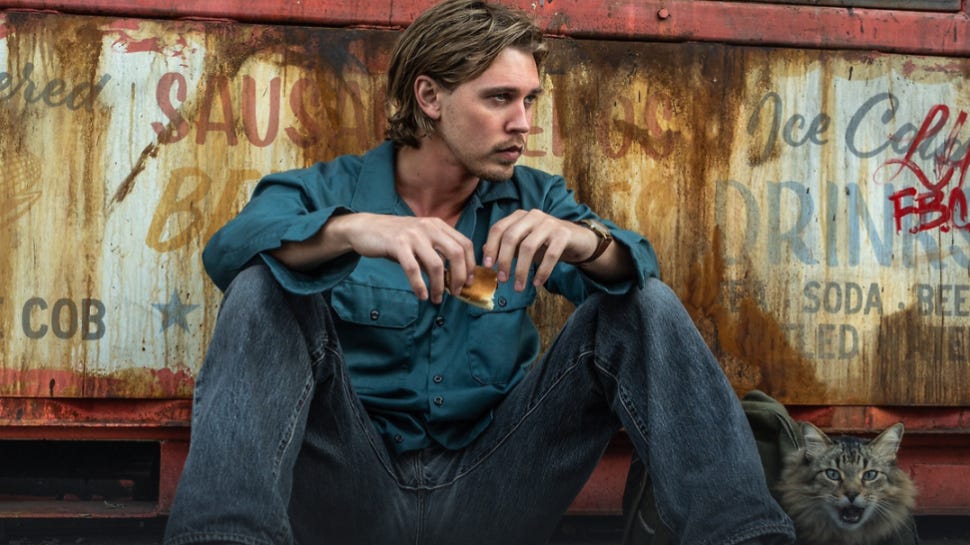
With the help of a witty script, Olivia Colman and Benedict Cumberbatch put on a riotous show. At all times, the good and the bad, I genuinely felt like I was watching two people who have loved each other for so long that they’ve grown to hate each other at the same time. They’re so vile toward each other, so cruel, then they’ll meet eyes across the table and with the softening of their battle positions, they share a loving glance, and they’re reminded of who they are, why they’re here, and all of a sudden, they’re snapped out of their respective murderous rampages and they’re back in love with the person they married and started a family with. Quite the exploration of the muss of marriage through middle-age, steered by two master thespians.
SPLITSVILLE (2025)
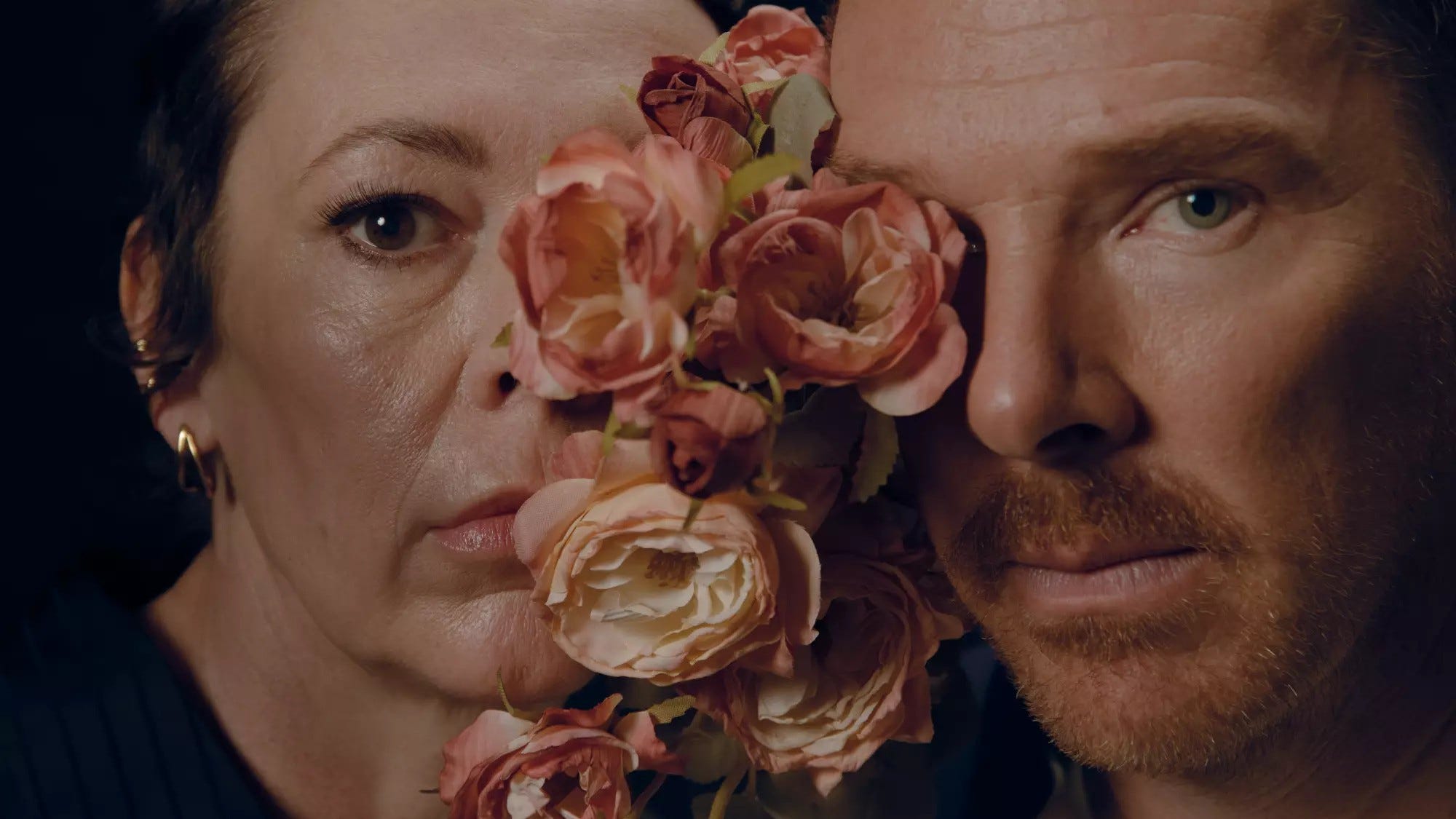
This Romantic Comedy strikes a chord that I can’t say I’ve often seen. On the comedy front, it’s consistently funny without ever feeling like it’s telling any jokes. But for a couple slapstick moments of the cast and crew having fun doing their jobs, the filmmakers never treat this movie like a comedy, per se. These actors playing these particular characters interacting in these specific ways just made for some really great comedy. It really felt like the characters were driving the laughs, not the script (but of course, it’s a smart screenplay in the background pulling the strings). Not unlike the filmmakers’ approach toward comedy, the romantic elements are also handled with a delicate touch. The film steers away from cliches at every turn and always keeps the characters at the front of mind. These are messy adults, and they’re acting messy, the “Romance” in “Romantic Comedy” be damned.
THE THREESOME (2025)
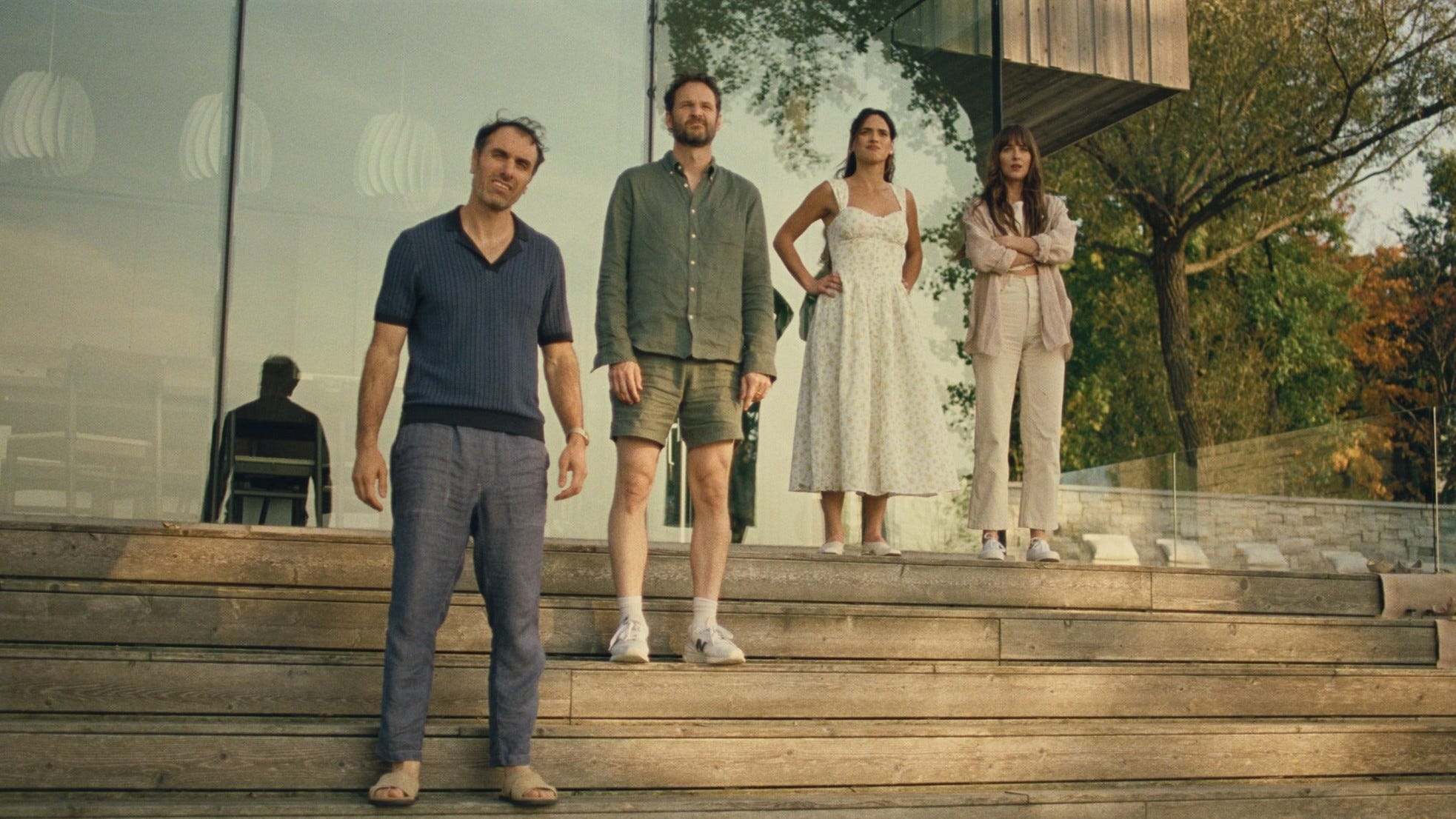
I don’t remember the last time I saw two brand new Romantic Comedies at the cinema in the same week, let alone three in one week, let alone three in three consecutive days. Seeing The Roses, Splitsville, and now this back to back to back, I can’t help but notice a trend in the way rom-coms are being made and delivered in 2025. They’re leaning less on the comedy of it all, while also kind of keeping the romance at arm’s length. The goal of these films isn’t to be laugh-out-loud funny, and it’s not to follow the tried and true beats of classic romantic stories. These filmmakers set out to make real movies about complex characters in awkward periods of their lives. If it’s not just a coincidence that these three quality films came out at the same time, in the same genre, telling very different stories, then I’m quite excited for the future of the Romantic Comedy.
This film is the least funny of the three, but it’s the one that most wears its heart on its sleeve. Like the other two, it’s about the characters, first and foremost. The story is about their struggles, their triumphs, their stumbles, their humiliations. When comedy comes of that, great — but it’s not forced. I thought the script for this was well constructed to force the characters to make the most difficult decisions possible, and that’s where great drama can be mined. And since this is a 2025 rom-com, I couldn’t predict where it would go based on all of the other rom-coms I’ve seen in my life, which made for an engaging ride all the way through. It helps that all three leads, the eponymous threesome, were charming as hell.
WEDNESDAY: Season 2 (2025)
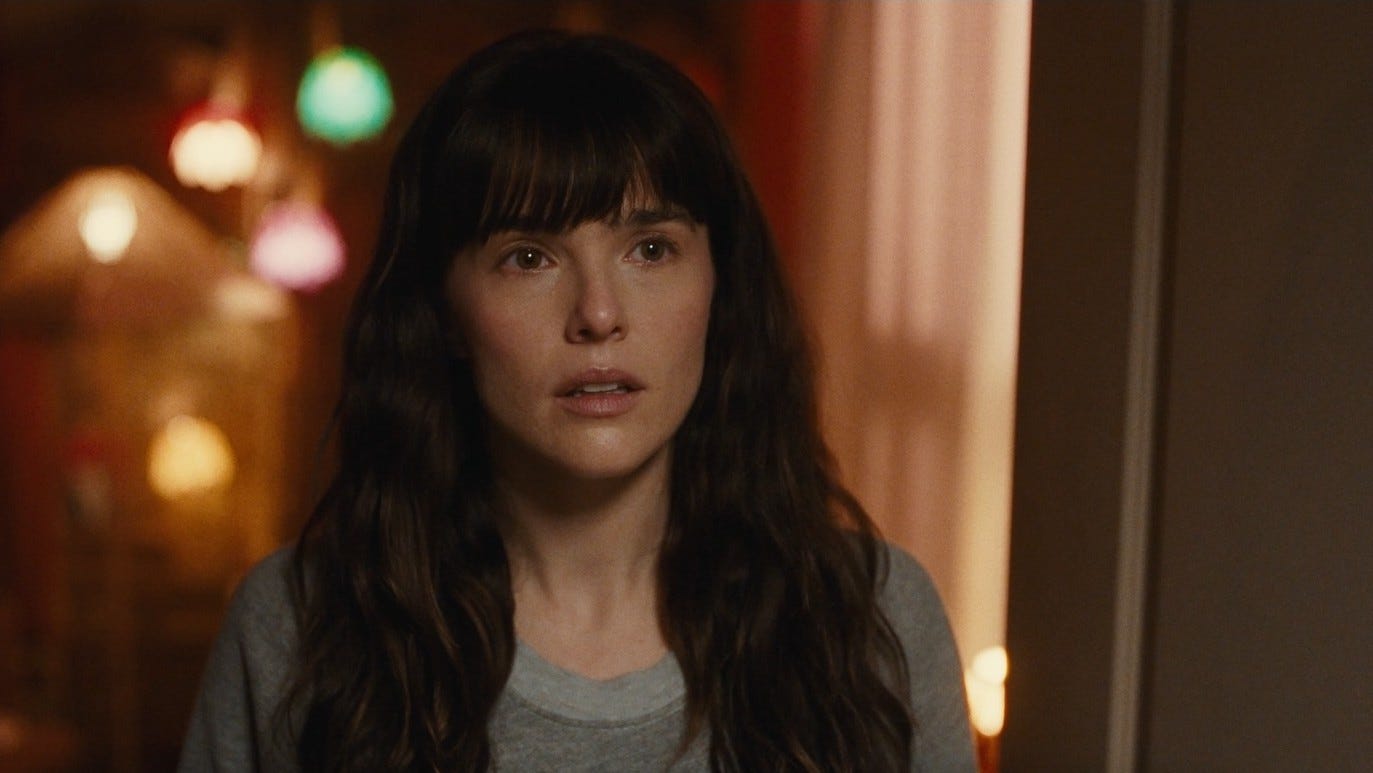
I described the first season as feeling “like it should be the best show on the CW.” Well, this second season was demoted to the level of all the other teen slop that could historically be found on that network — except, somehow, this is less edgy. Come to think of it, I’m not exactly sure what age demographic this is even shooting for.
Three years have come and gone between seasons, and those years of development are nowhere to be seen in the product delivered to our screens. While the first season was just barely good enough to keep me watching, this season had me kicking myself for watching the first three episodes in one night — at that point, the sunk-cost fallacy was behind the wheel. To give up on this season was my biggest wish as I watched the remaining five episodes. Nothing could save this for me: Not Tim Burton, not Jenna Ortega, nothing.
Season 1 Reviewed on November 28, 2022
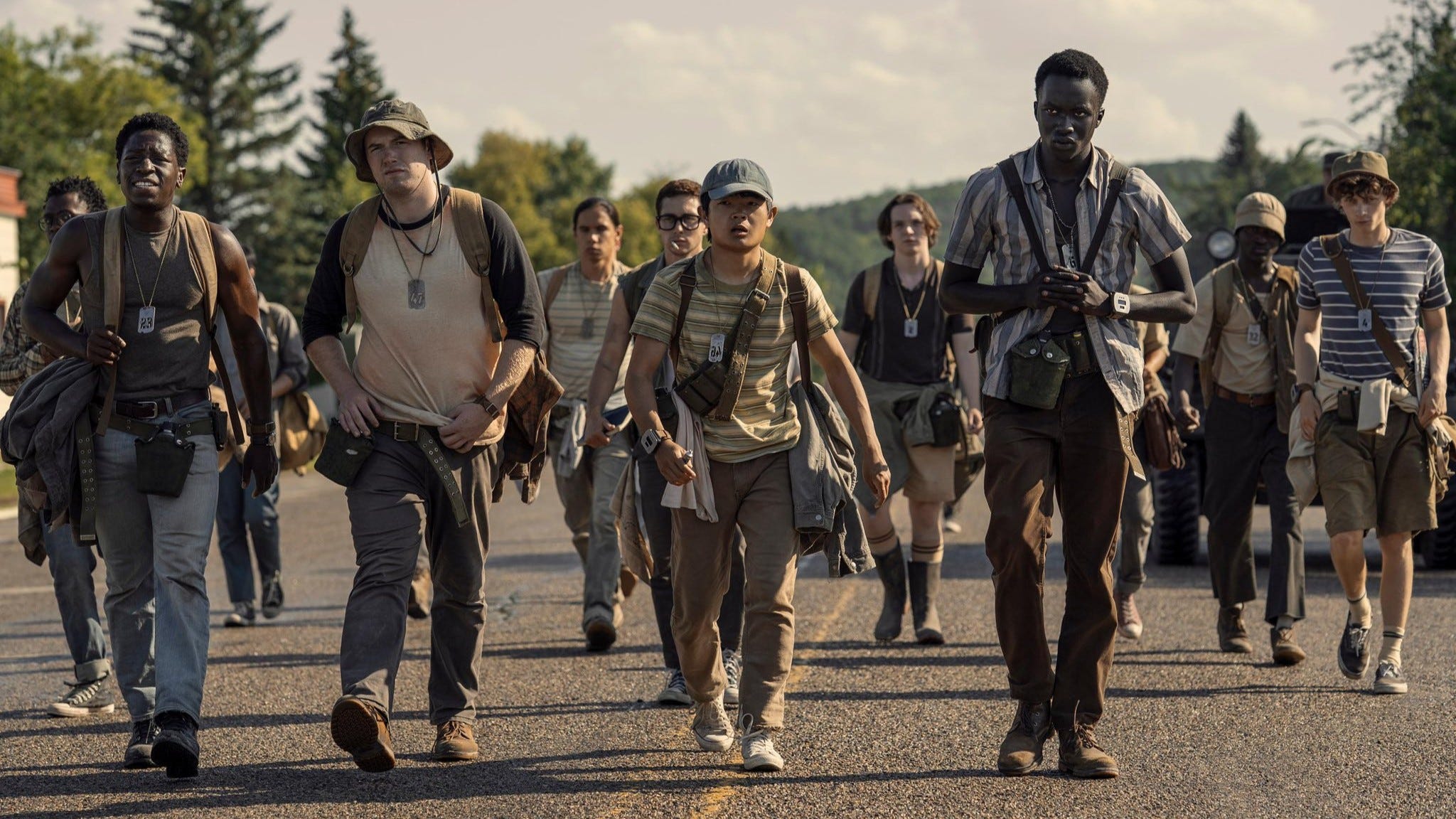
THE LONG WALK (2025)
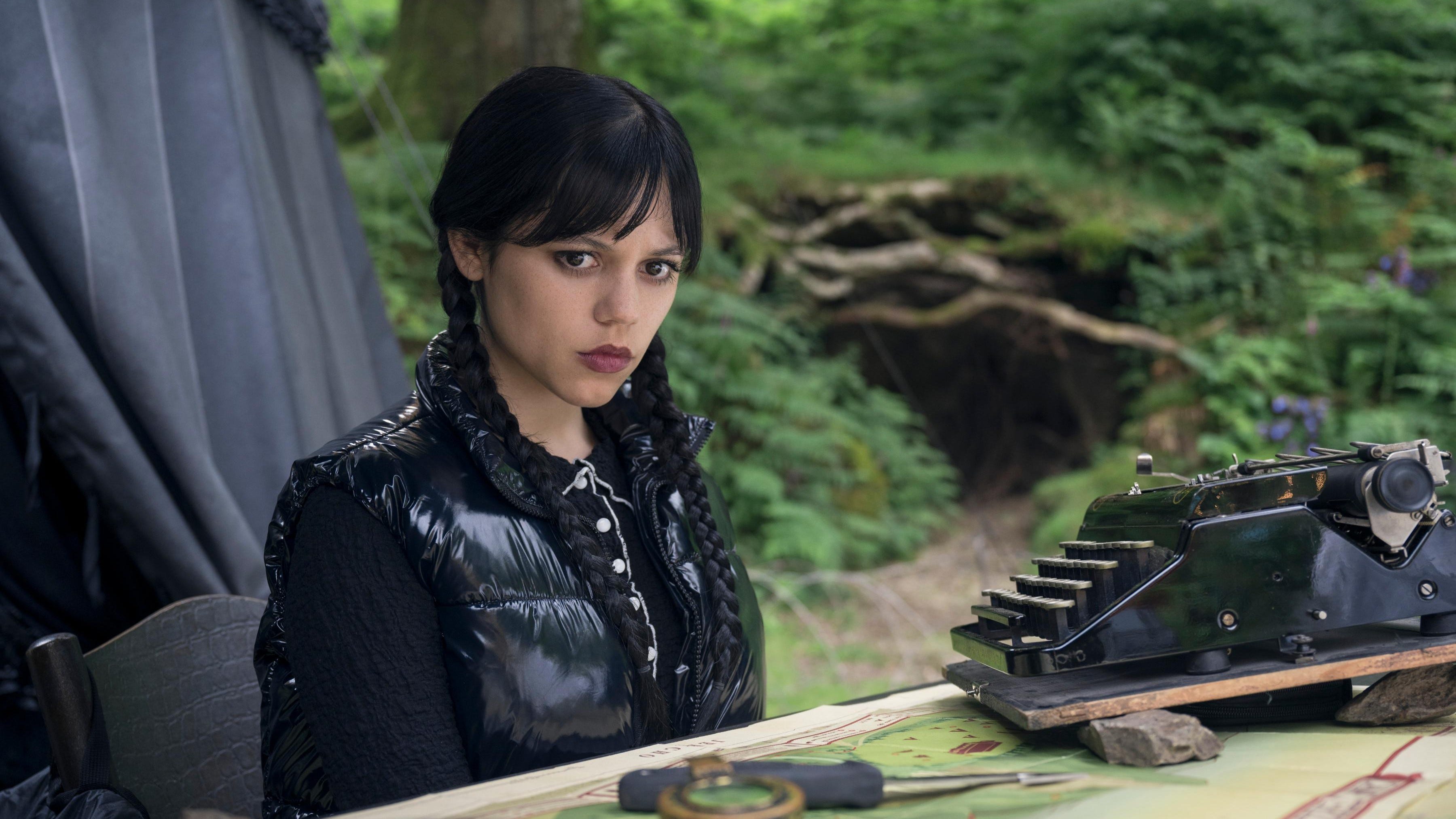
This would have been in the running for one of my top movies of the year if he just put the gun down at the end. There’s so much beautiful character development in this film (which is to be expected for a Stephen King adaptation), but arguably the most crucial bit of development was eradicated with the decision to end the film the way that they did — an ending, it should be noted, that was constructed specifically for this film, having diverged from the source material.
I’ve made my point about the ending, but the rest of the film is so good that I don’t want to linger on that any longer. It’s gruesome to watch, not pulling any punches whatsoever — the first death was genuinely shocking. For every moment that makes you flinch or squirm, there’s a moment that fills you with hope for humanity in these dire times. The characters are front and center, built up so well through long strings of dialogue and their actions toward opponents in this cruel contest. The relationships they form provide further insight into who they are, what they’re afraid of, what they want out of life — looking forward to a brighter future only one of them is allowed to see. The performances cannot go without due praise, as every single one of these young actors bringing these full characters to life was downright exciting to watch. I expect we’re going to be seeing quite a few of them for many years to come.
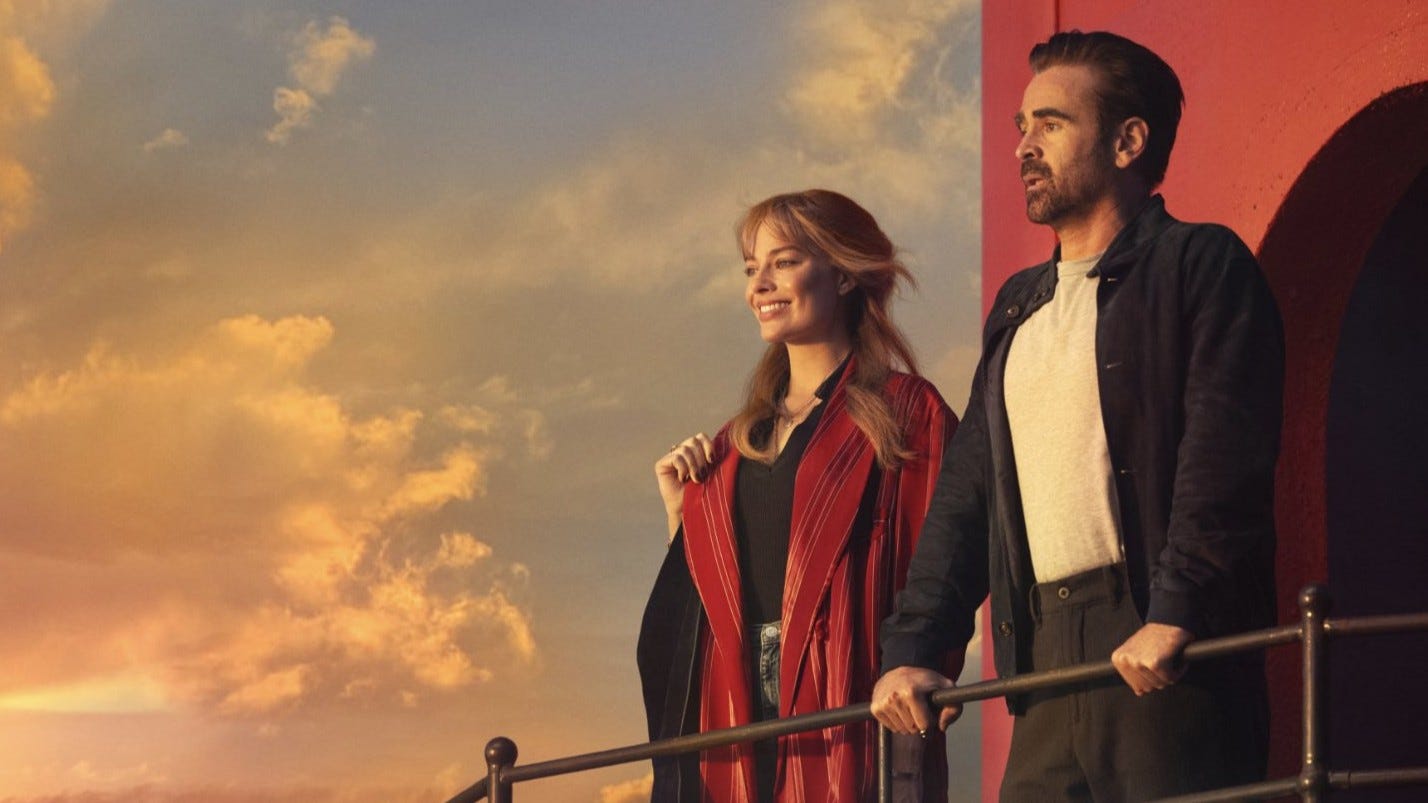
A BIG BOLD BEAUTIFUL JOURNEY (2025)
Listen, writing rules should never be treated like gospel. As they say, learn the rules like a pro so that you can break them like an artist. I say all this because I’m going to make a claim that this film should be studied for being a prime example of what happens when you completely disregard the following (utterly trite) writing rule:
Show, Don’t Tell.
These characters do nothing but talk about the kind of people they are, what they’re afraid of, who they want to be, who they’ve been in the past, etc. The audience is told absolutely everything about these characters through the mouths of these characters, on the nose, usually lacking any nuance. 100 minutes go by, we been on an alleged big bold beautiful journey, and at the end of it, we feel nothing.
Exclusively telling, eschewing the showing, leaves the viewer/reader feeling hollow. The credits will roll and you won’t be able to put your finger on it, but you’ll find that you’re not moved by what you’ve just seen, regardless of what the characters have said to make you think you should feel otherwise. Without any conscious calculation, our brains reject any connection to the people in the story. It just remains the attractive actors reciting the lines in their script. It never evolves into empathy for another human being, a heart to heart connection that touches the soul and shows us the ways the writer figured out how to be alive.
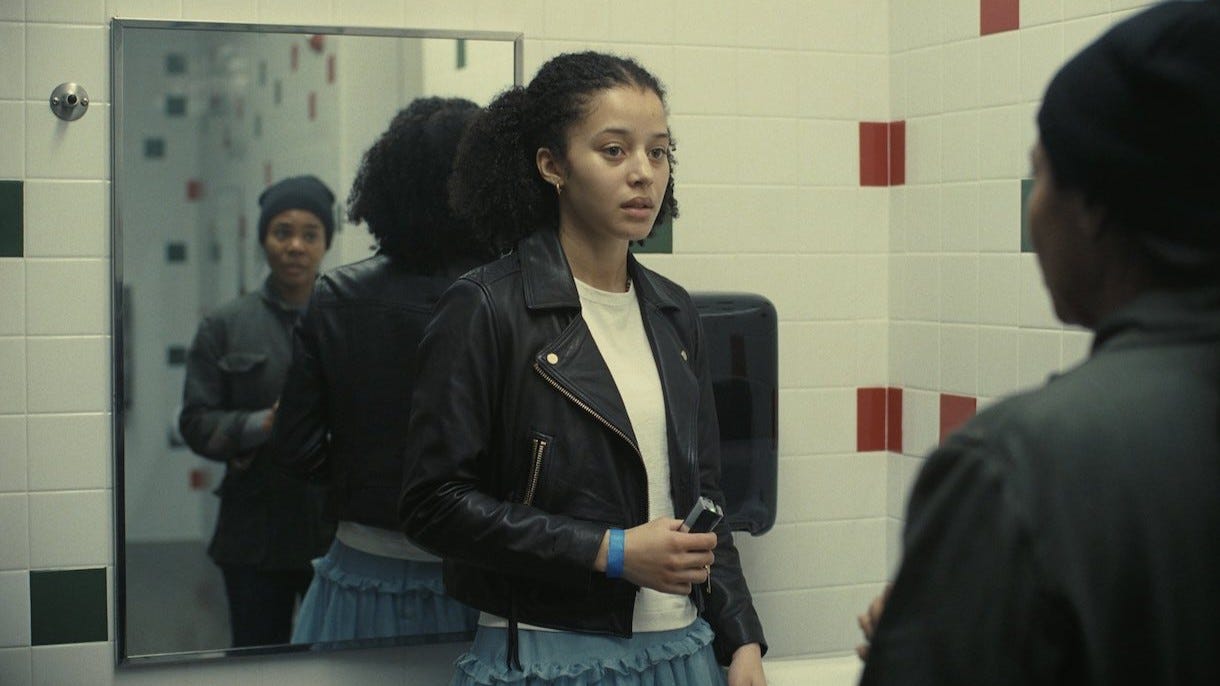
ONE BATTLE AFTER ANOTHER (2025)
I am a movie lover, a cinephile if you will. Unlike most (if not all) of my kind, I am not a Paul Thomas Anderson enjoyer. It’s like I’m allergic to his taste for storytelling — his stuff bounces right off of me. Often, I’m left wondering what the hell is wrong with me as I scroll through all the praise and adulation rained upon the film I just watched and was deeply underwhelmed by.
There is, once again, a disconnect between me and my people when it comes to this film. Everybody and their sister are talking like this is a monumental contribution to the art form. Meanwhile, I’m over here calling it the first PTA movie I thoroughly enjoyed sitting through. That said, the barrier between me and his storytelling was not quite pierced with this one either. I want to be more emotionally affected by the greats. I didn’t feel nearly enough to be talking how seemingly everyone else is talking about this film.
ALIEN: ROMULUS (2024)
Listen, I’m sorry, I really am, but I can’t not talk about this again (see my second paragraph) — I just couldn’t stop thinking about it (again) while watching the movie. I promise I won’t mention any of this on my third watch, which will absolutely happen before I know it, because I really like this movie. The first quarter of it is sensational — I’m obsessed with this film’s set-up scenes. The first half, overall, is great. The second half doesn’t quite maintain that level of quality as the action ramps up, but it’s consistently entertaining and has some really incredible sequences throughout.
ANYWAY! Watching this movie, all I could see was the cast of a Last of Us Part 2 adaptation that will tragically never be. I saw the dream Ellie. I saw the actual Dina from the HBO series, pregnant and all. Those two are enough to get me yearning — don’t get me started about minute-82. Then, I realized I was seeing Jesse. I was seeing Lev. I was seeing Manny. I have no idea who David Jonsson would play, but he has to be included in some considerable capacity — this phenomenal young actor is getting his props after The Long Walk, but real ones knew he was special with the release of this film. After my first watch, I joked that the Costume and HMU departments were flagrantly taunting those of us that want to see these actors in a Last of Us adaptation. Well, this time, I realized that their home colony is literally called Jackson, the name of the settlement where Ellie and Dina call home. Yeah, how could I not think about this stuff when they’re literally laughing in our face?
Previously Reviewed on August 18, 2024
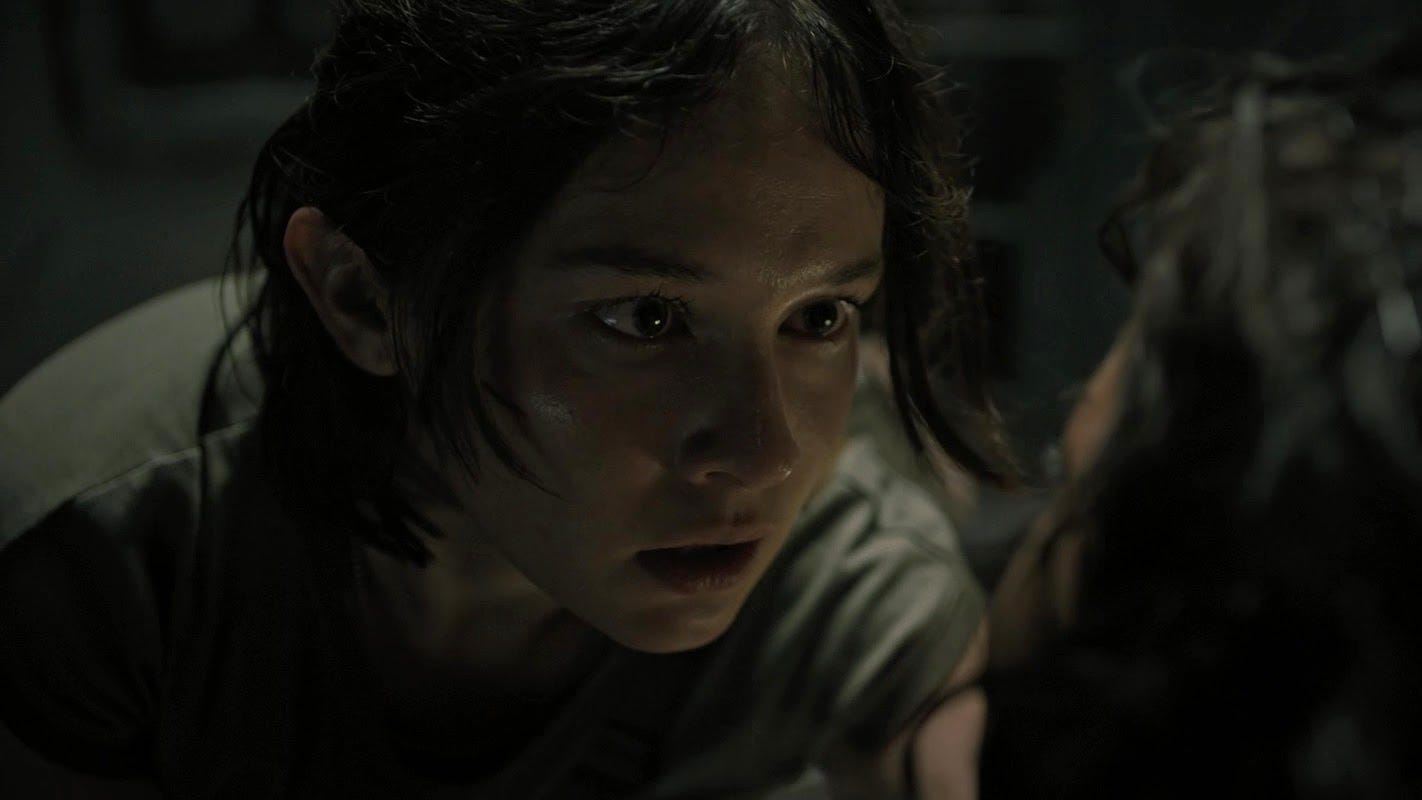
WHEN HARRY MET SALLY (1989)
With this viewing, Rob Reiner & Nora Ephron’s masterpiece has found itself tied for my most rewatched movies since 2018 (which is when I started tracking every movie I watch). Real ones could probably guess one or two of the films it’s tied with — but I must say, if there was a category for “easiest film for me to watch”, this would probably be my winner. I want to watch it way more often than I actually do. It’s just so mind-bogglingly charming.
Previously Reviewed in 2024, 2022 & 2020
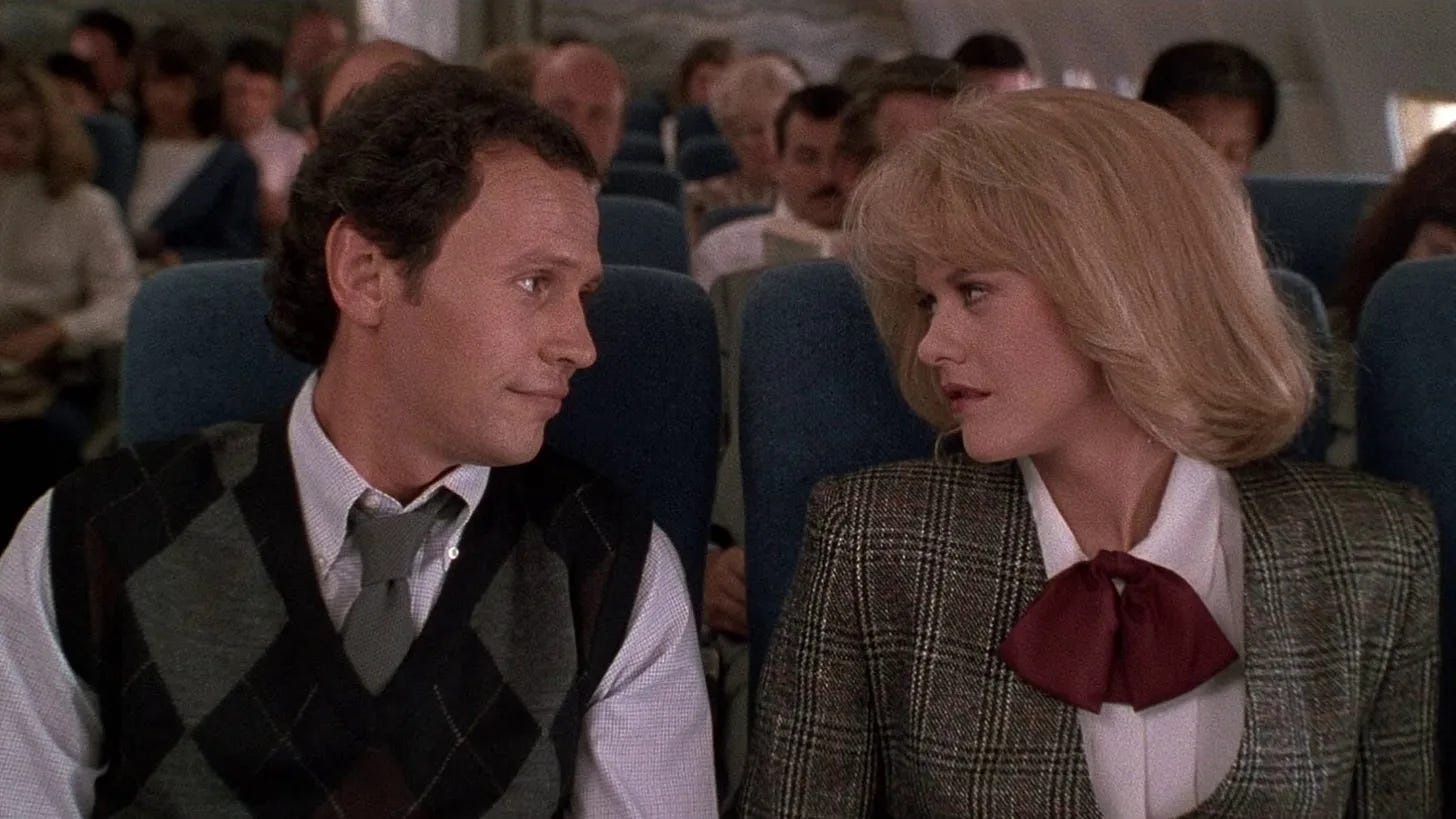
INTERSTELLAR (2014)
This movie has so much heart that it can almost convince you that nothing else matters, that the whole is the sum of exceptional parts. But the script is just too mediocre for me. The dialogue is frequently painfully on the nose, often outright cheesy. The narrative feels nonsensical and scattered, and weighs the whole thing down with melodramatic beats and twists that would feel at home in soap operas. The filmmaking makes the three hours feel like two, and feeds the eyes and ears to distract the brain. It’s the premise that really keeps this thing moving though, even when you feel like you’re just floating in space. It’s the heart at the center of this film that makes it special.
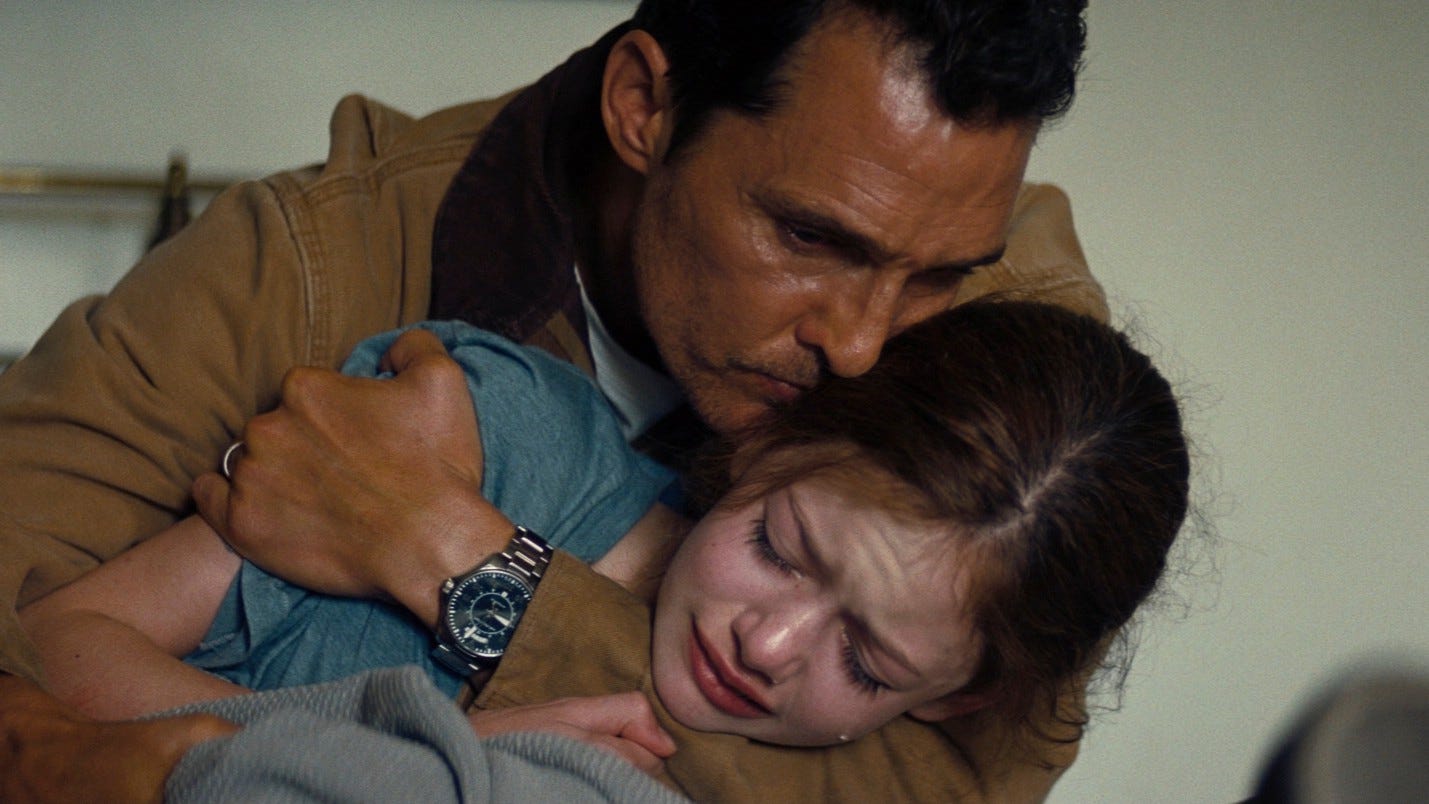
ROOFMAN (2025)
Channing Tatum plays a character who feels too strongly for his own good. He follows his bellowing heart head-first into bad decisions, time and time again. That’s really bad news for Jeffrey Manchester, but really good news for us, the audience. Manchester’s antics are unquestionably fun to watch — this movie doesn’t work if they weren’t. His decision-making had the middle-aged woman sitting next to me mumbling to herself, “he’s so stupid.” But through Tatum’s commendable performance, we feel the criminal’s inner turmoil. We feel where all of those poor life choices are coming from. And we’re rooting for him to find peace.
ANNIE HALL (1977)
Woody Allen’s love letter to Diane Keaton earned her the only Oscar she’d ever win — an Oscar with the engraving “Best Actress in a Leading Role” but should really say “Creation of a Cinematic Icon.” Woody may have written the words on the page and directed the actor across the picture, but in more ways than a couple, there is no Annie Hall (the character, and therefore, the Best Picture winner) without Diane Keaton, the singular human being and the brilliant performer.
Previously Reviewed on February 9, 2021
BLUE MOON (2025)
Ethan Hawke is unleashed in this chamber piece that felt to me like Richard Linklater channeling prime Woody Allen.
Seriously, I watched the blue Sony Pictures Classics title screen appear, sitting in a tiny independent cinema, bringing to mind the days of annual Woody releases. Then the movie started, a bar in New York City was the setting, the dialogue was snappy and witty, the protagonist was neurotic and the performance was captivating. This film took me back in time in more ways than one, and I loved every minute of it.
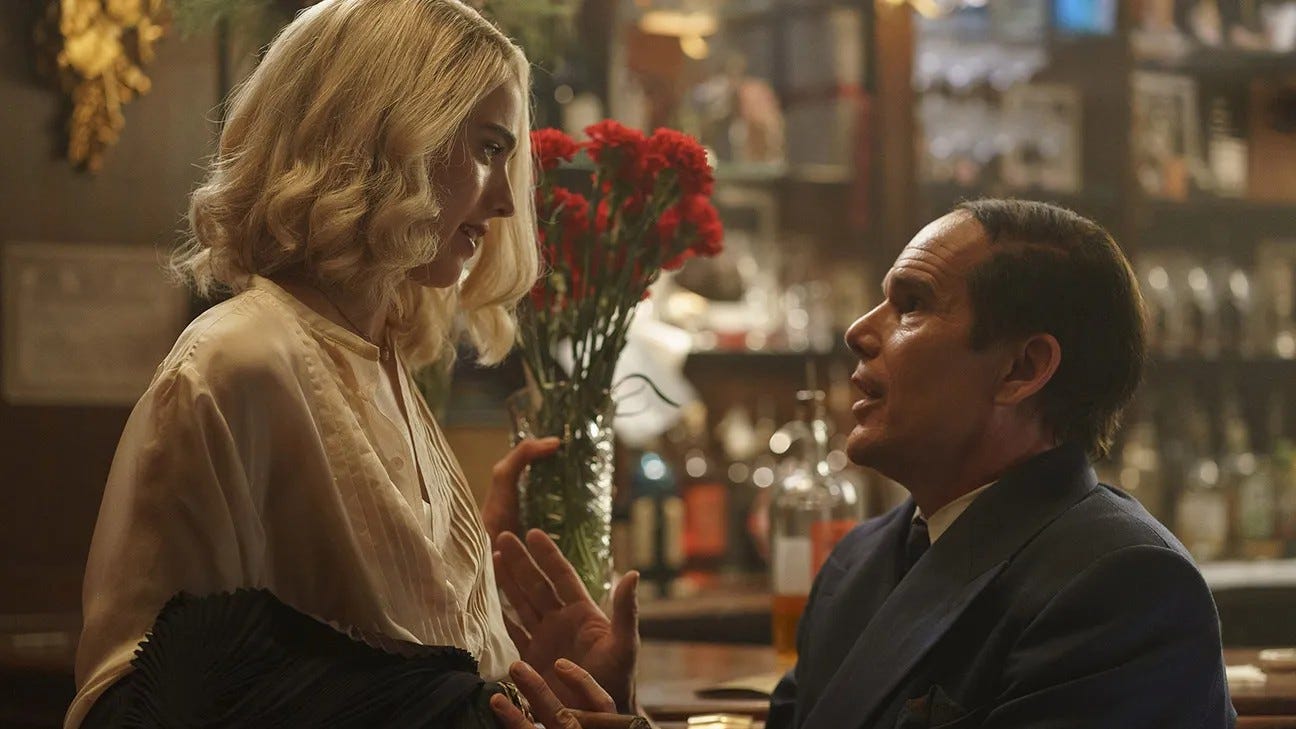
SPRINGSTEEN: DELIVER ME FROM NOWHERE (2025)
I’ve seen this movie maybe a dozen times — in fact, I saw it around this time last year. There is very little (if any) deviation from the tried and true formula here. It doesn’t go out of its way to be interesting. That said, it’s inoffensive. The lead actor does a great job. The name in the title will sell tickets. A tale as old as time in the biopic genre.
This movie did not get any sentimental help either, even though I am a huge Springsteen fan. I never really cared for the album, Nebraska.
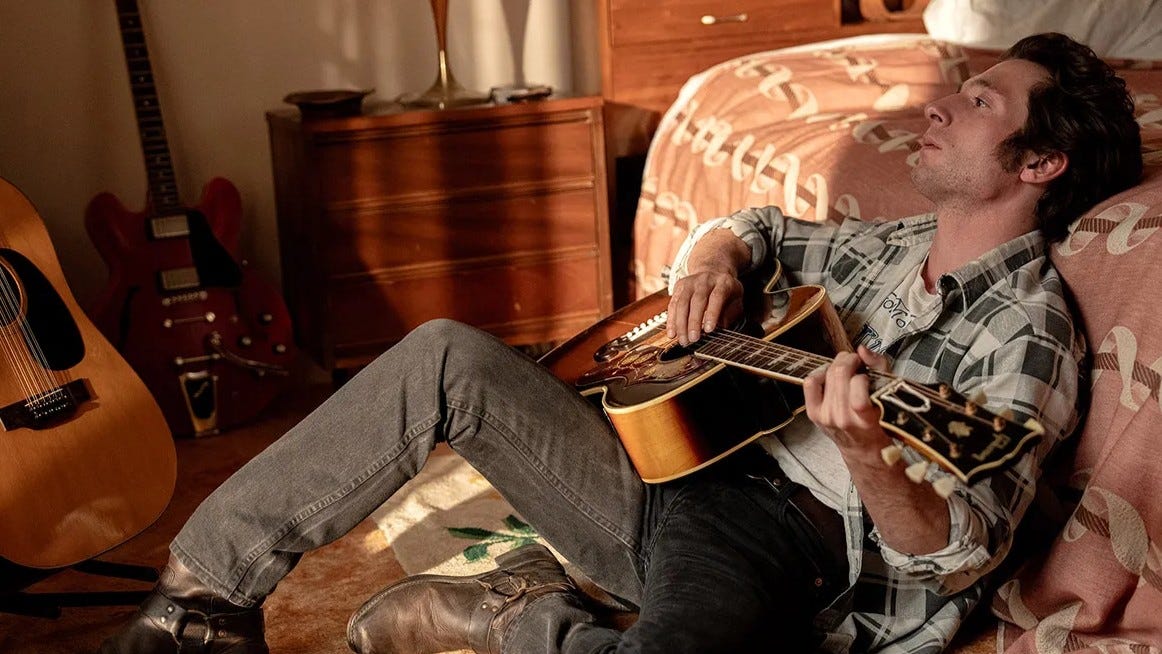
MIDNIGHT MASS (2021)
I’m a man of honor, so I will link the location of my first review for this limited series, the same way I do with every movie or show I’ve previously reviewed. That being said, I’m not proud of that review — I’m borderline embarrassed by it, frankly. I don’t know what headspace I was in almost four years ago to the day, but I feel sorry for that version of me, because I clearly was not able to see the brilliance in this show back then.
There’s so much humanity to be found in each and every character on this island. They each have their reasons for devoting their lives to God. There are those who depend on the Lord for their mental health or physical wellbeing. There are those who are waiting on a miracle. There are those that can no longer point to what the heart of their devotion is after a lifetime with the church.
The horror seeps through many different cracks in this story. And the image of the angel as described in the bible is far from the most frightening of it all. So much of the horror comes out in the ways that religion is shown to be wielded as a weapon, to punish, to threaten, to lie, to mislead, to be cruel. There’s a verse in the bible to condemn actions you take when your heart is in the right place. There’s a verse in the bible to defend actions that every outside observer would consider heinous.
There’s a scene in Book V: Gospel that has been seared into my mind (after the episode ended, I went back and rewatched the scene immediately), and perfectly exemplifies my claims above. Bev Keane stands before Riley Flynn with a gold cup to be filled with human blood that Riley will have to drink, lecturing the troubled young man on God’s Will. I will quote her directly: “[Whoever eats my flesh and drinks my blood has eternal life] and I will raise them up on the last day. For my flesh is real food, and my blood is real drink. And whomever eats my flesh and drinks my blood will remain in me, and I in them. Gospel of John. And it’s pretty specific, isn’t it? I mean, he’s not really mincing words, is he?”
The wielding of religion to coerce and to gaslight continues like that for even longer in that scene, and only becomes more prevalent as the stakes of the series continue to rise toward a climax. And in that climax, we see how the interpretation of religion can cause conflict between even the most devout, among those closest to God and his glory.
Previously Reviewed on October 11, 2021
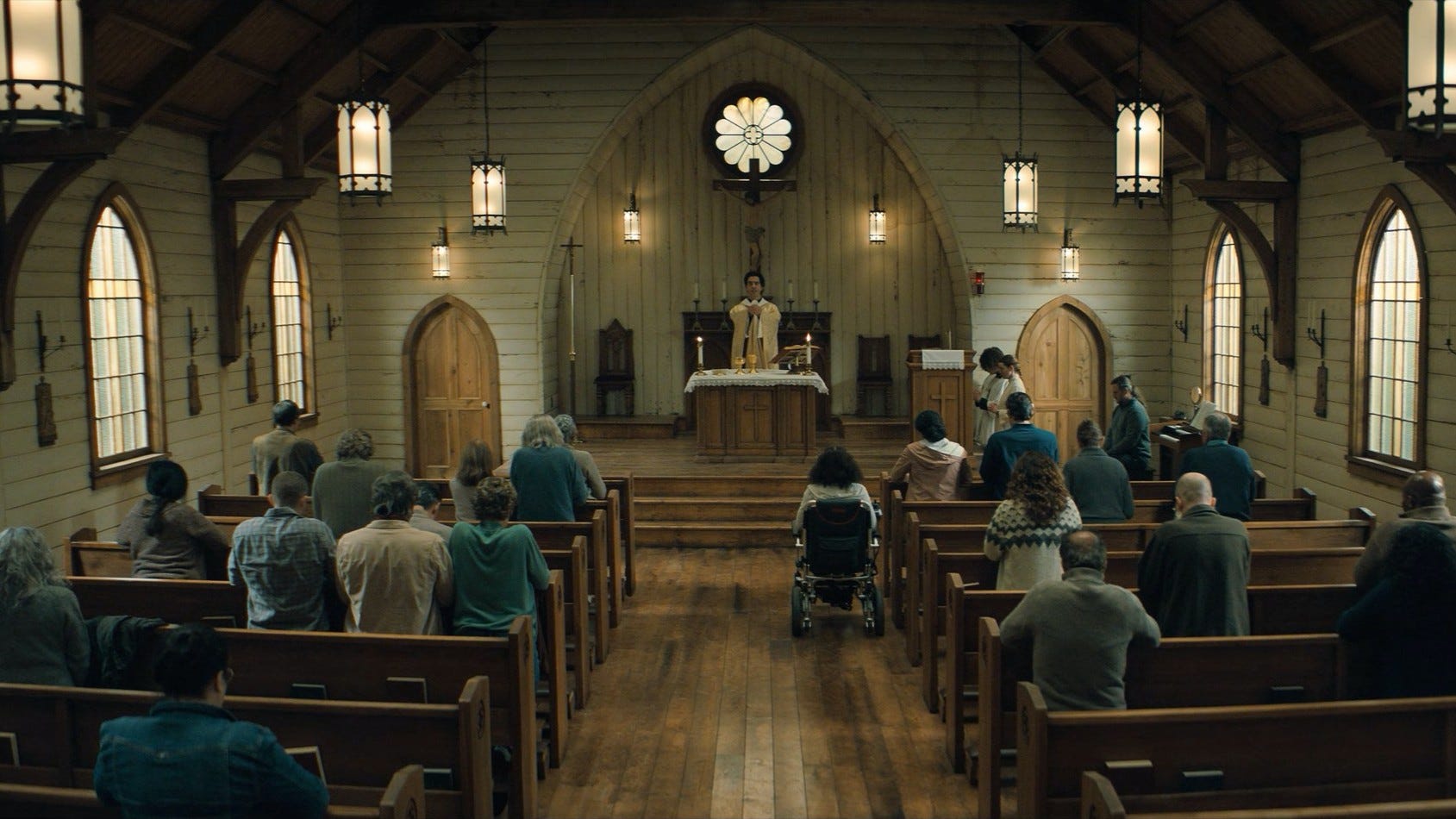
BRUCE SPRINGSTEEN’S LETTER TO YOU (2020)
Springsteen’s twentieth studio album finds him meditating on what death looks like to him, what it means to him. Bruce and his band of lifelong friends and musicians have grown old together, come to the precipice of that next step in life together. This was the first time Bruce produced an album with the whole band playing together live.
It’s such a treat to watch them perform these songs that were in part inspired by the death of a beloved bandmate, and then to watch them celebrate together after a successful day’s work/play. There’s an unavoidable heaviness in the air, justified by the lyrics in the songs and their ageing bodies performing the music that accompanies them. For that reason, it feels like a blessing to have these sessions documented — I’m sure they’d all agree.
Previously Reviewed on November 11, 2020
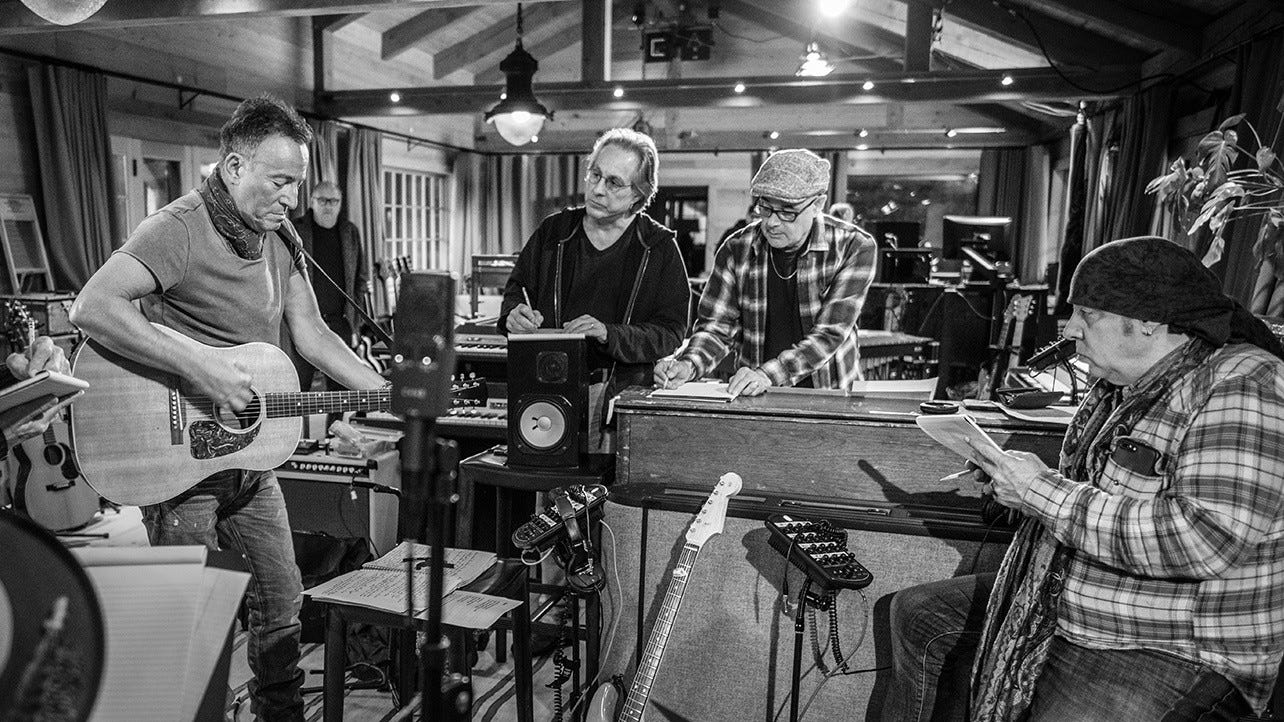
ALIEN EARTH: Season 1 (2025)
Right off the bat, we’re faced with threats from alien lifeforms and human beings alike. We’re introduced to themes of identity, what it means to be human, how far is too far for scientific development — evergreen subjects for the genre. What excited me most was this question of what it means for children on the brink of death to be given a second chance at life in technologically advanced bodies.
What disappointed me most about this season of television is that the show never gave that question its due exploration — as the season progressed, the themes as a whole got lost in the shuffle. The in-universe rules for the aliens, the cyborgs, the hybrids, and the humans never started feeling clear to me, which caused me to struggle with the stakes at any given moment. Speaking of stakes, as the season progressed, the alien lifeforms basically became allies for the protagonist, so they no longer felt like a threat — and as that was happening, the protagonist was realizing her true strength, so all of a sudden, nothing felt like a threat anymore. With the aliens becoming allies and the power dynamics between the hybrids and the humans leaning overwhelmingly in the hybrids’ favor, the tension was basically non-existent as the season was coming to a close.
What was teased by the early episodes as a thematically dense story set in a politically and economically turbulent future just ended up feeling like a run-of-the-mill show for tweens about kids with superpowers.
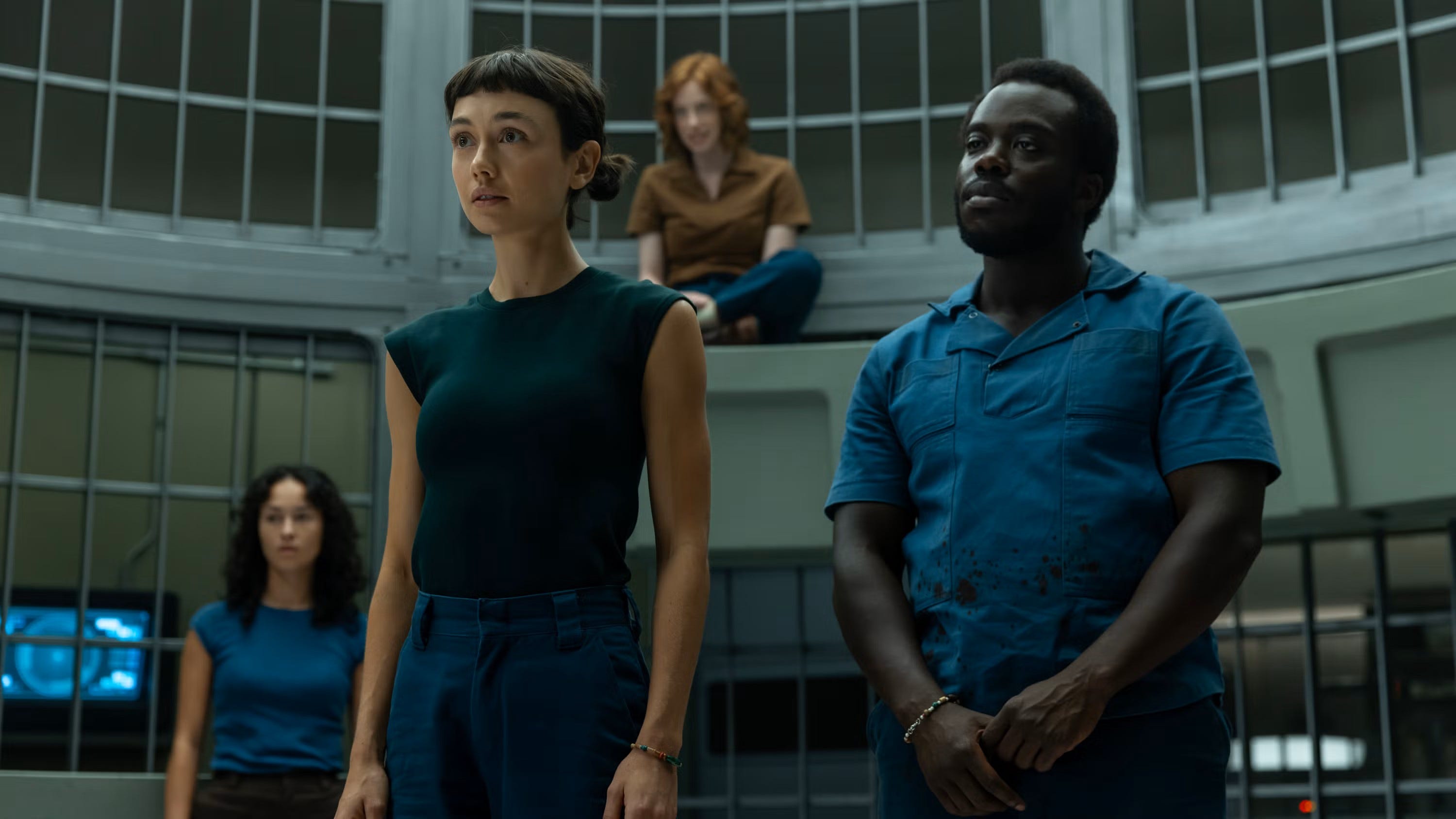
PREDATOR: KILLER OF KILLERS (2025)
Dan Trachtenberg seems to be building himself a cinematic shrine to the Predator — this loosely plotted, gorgeously animated, proof-of-concept-for-something ass movie being his follow-up to Prey. If absolutely nothing else, this was cool as hell to behold with my eyes for eighty minutes. I mean, how could it not be with the following description: “A Viking raider, a ninja in feudal Japan, and a World War 2 pilot encounter a fierce intergalactic hunter.”
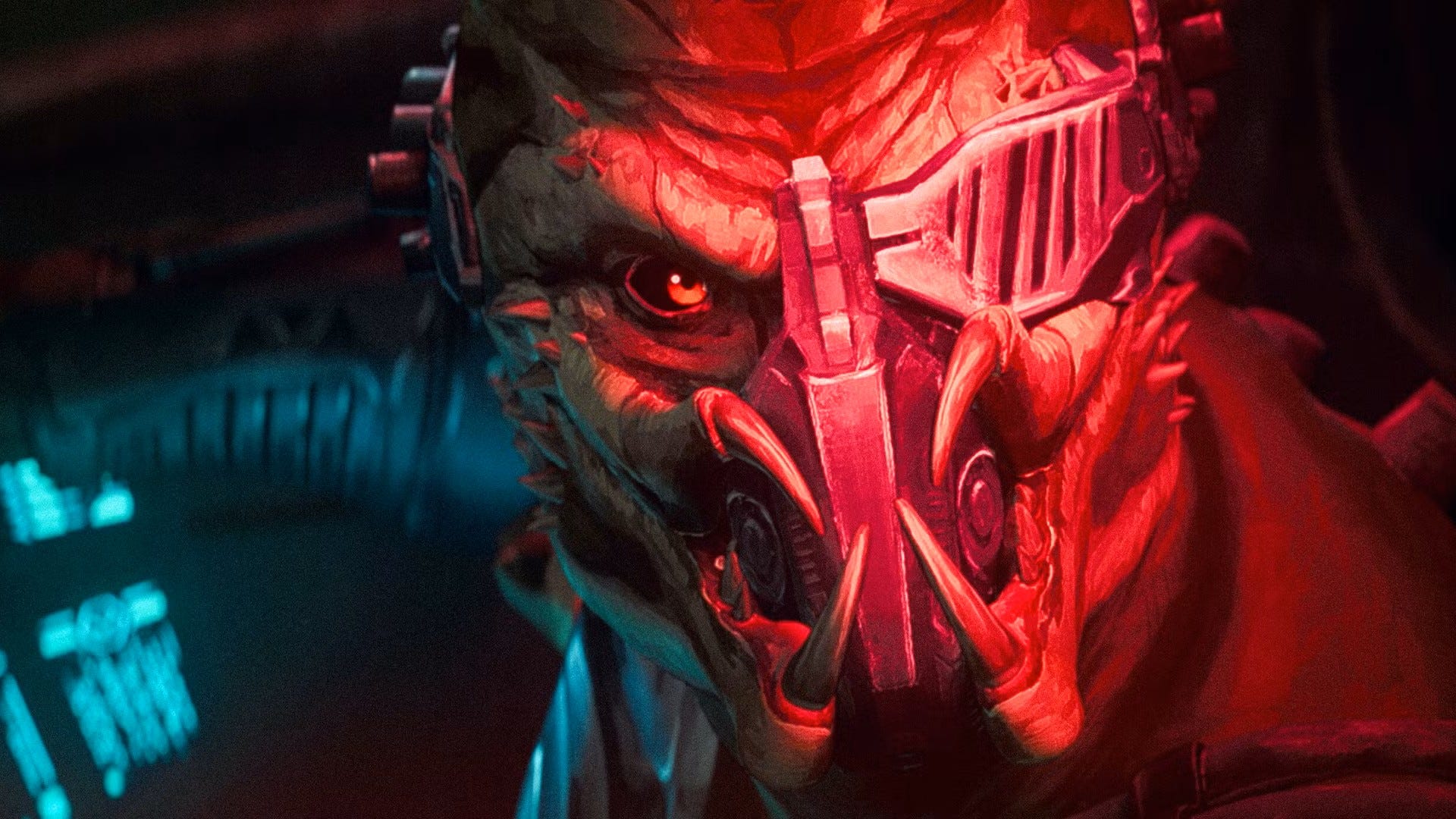
PREDATOR: BADLANDS (2025)
This world is so richly designed and brought to life that I couldn’t help feel like this could have been an awesome story to tell as a video game. I don’t think I’ve ever actually had that thought before, honestly. Each setting was as beautiful and interesting as the last, and the diversity and creativity in wildlife that wanted our protagonist dead was genuinely astounding — and that’s not to mention the Synths sent by Weyland-Yutani. The movie does a really good job making the worldbuilding feel important, wrapping it all up with an impressive bow in the third act. Dan Trachtenberg could have just had us move through the places he built and fight through the obstacles he placed in our way, but no, he made it all an important part of the story, and for that, I tip my cap.
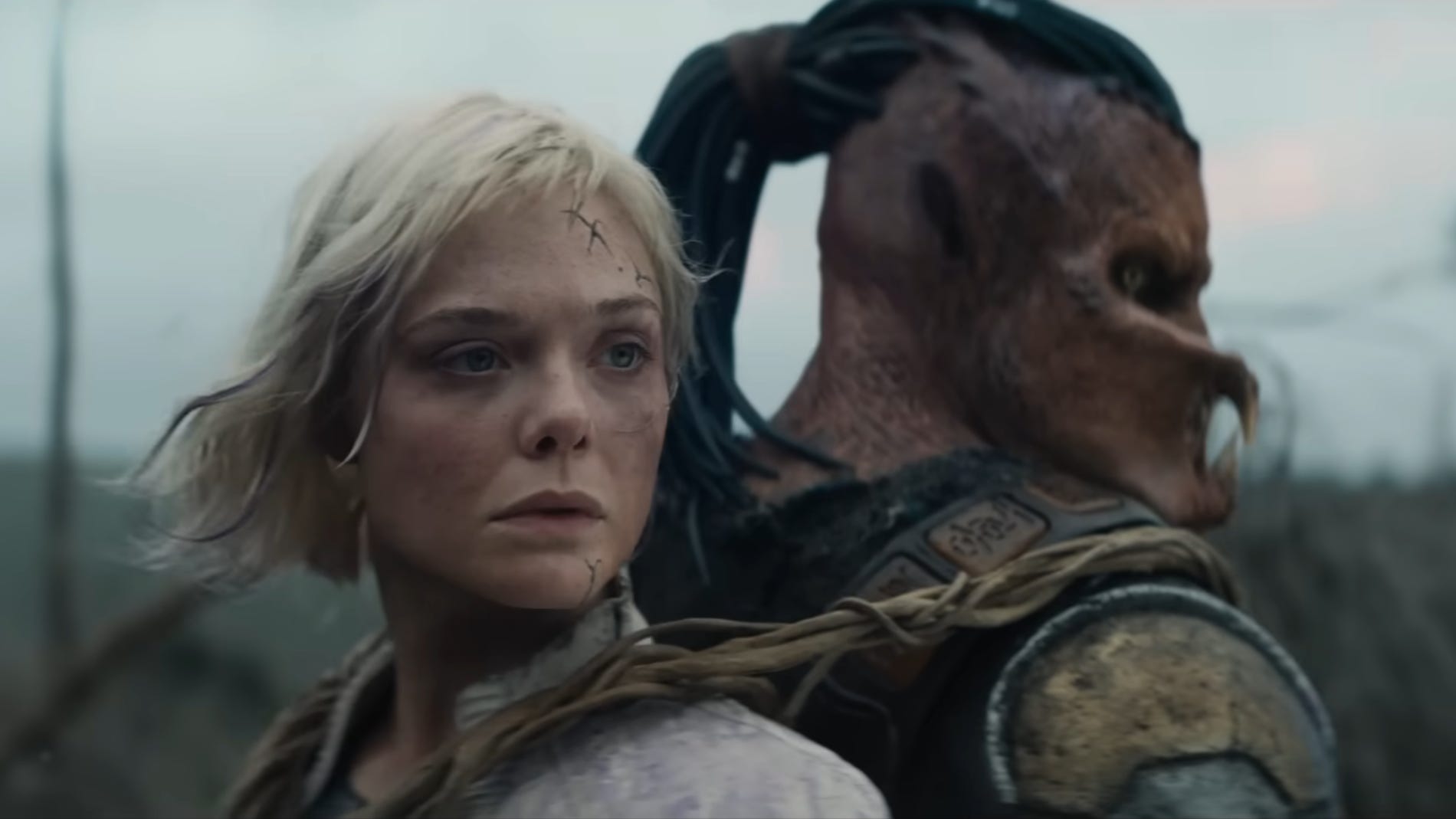
ONE BATTLE AFTER ANOTHER (2025)
I had been meaning to give this a rewatch before it left cinemas, so imagine my excitement when I searched showtimes and found that it was returning to the one IMAX screen in my area for one showing a day for one last week.
A rewatch really unlocked this film for me. I went into the first screening with all the expectations and preconceived notions that come with “written and directed by Paul Thomas Anderson” for me. Still, I genuinely enjoyed my first viewing. A second viewing threw all of that baggage aside, allowing me to watch this film as it was, instead of how I wanted it to be — how it should have been viewed in the first place.
Just a few notes on a film that’s being discussed ad nauseum in film circles and beyond: Leonardo DiCaprio is a comedic genius; Sean Penn gives one of the best performances by a supporting actor that I’ve ever seen; this is basically an action movie for cinephiles — its pace is marvelously breakneck, and damn near every scene is electric.
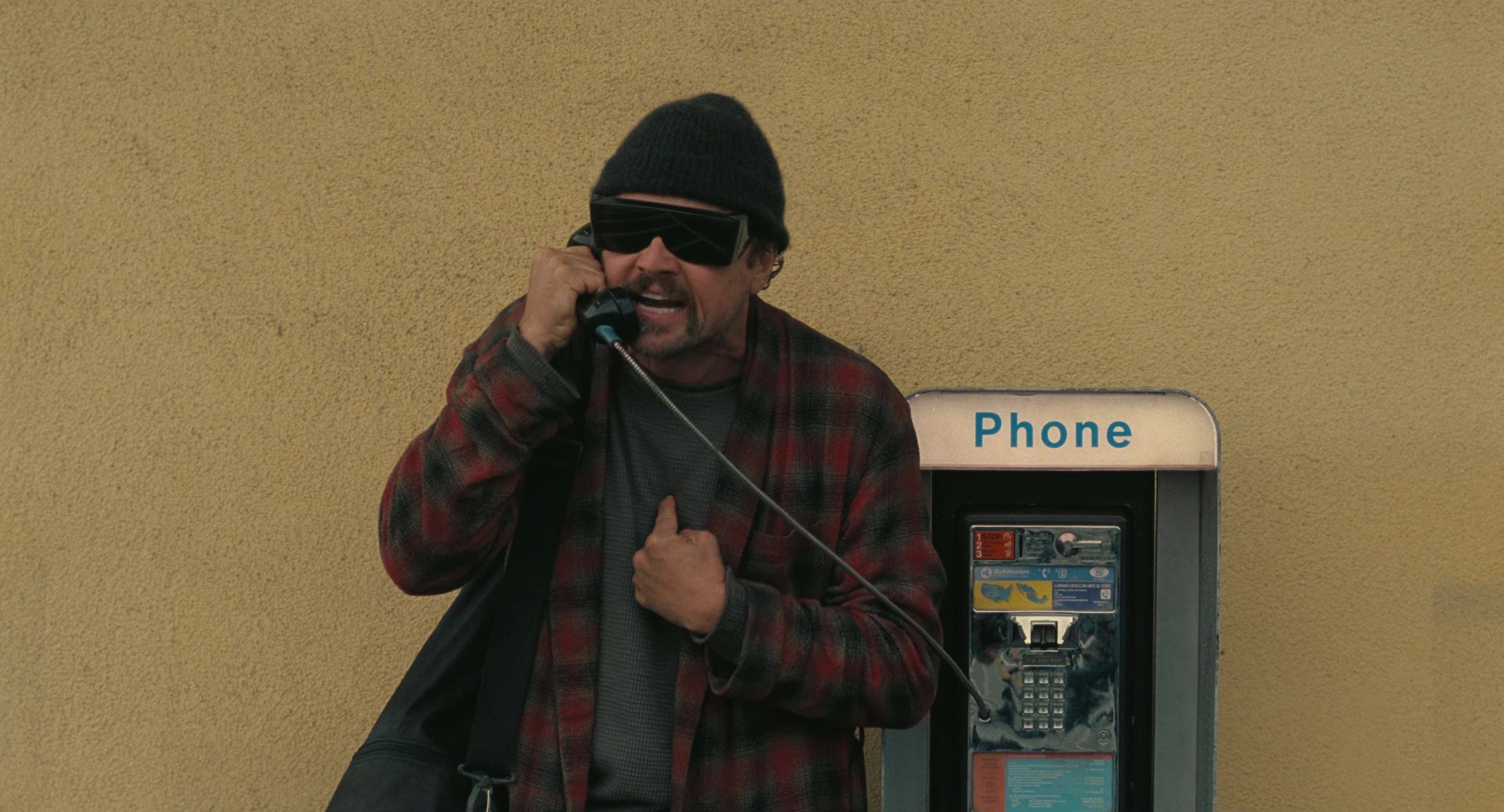
IF I HAD LEGS I’D KICK YOU (2025)
In one fell swoop, this film snatched two common cinematic superlatives for itself:
1) Feel Bad Movie of the Year
2) Don’t Have Children Movie of the Year
We are with a sensational Rose Byrne, experiencing a two-hour panic attack we wish would mercifully end but need to know how it resolves. Quite the resolution, I must say; the last couple minutes of this hit me just right — especially that last shot of her daughter, who she’s finally taking a second to see.
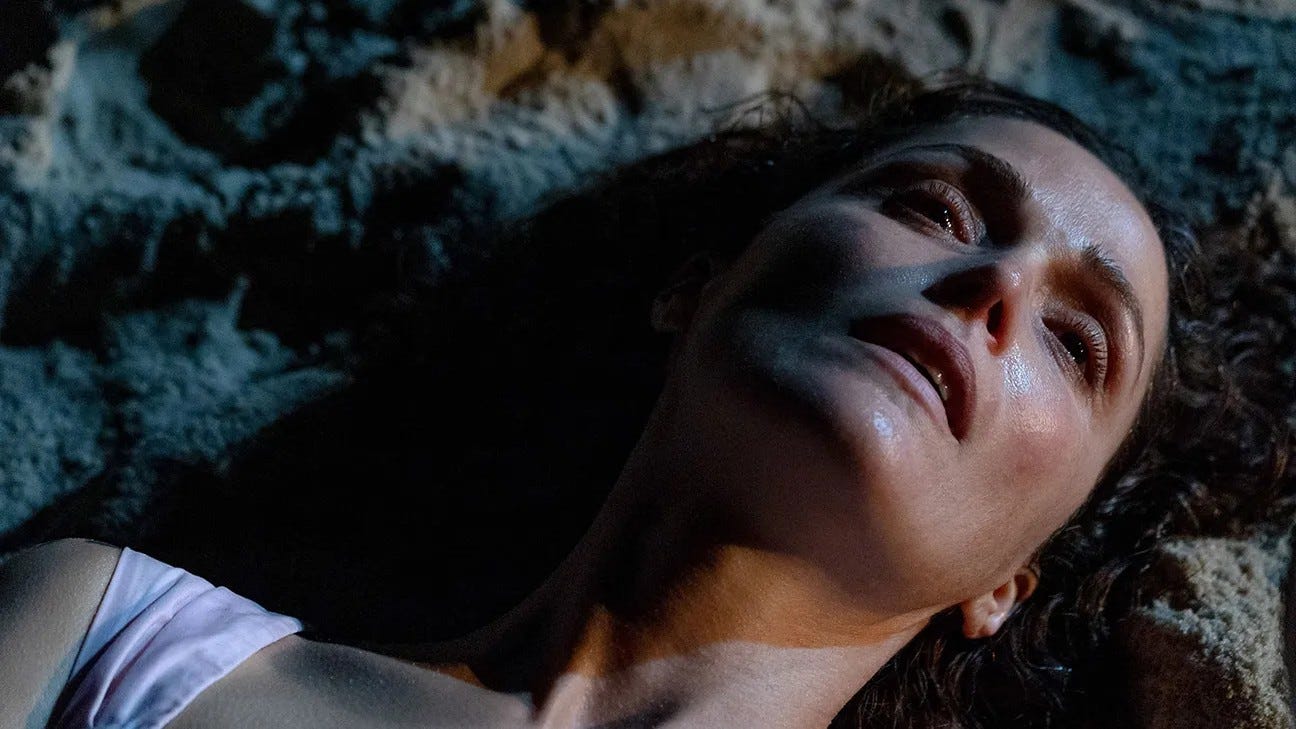
DIE MY LOVE (2025)
This is one of those movies where you get in the car and have a discussion about what it means for a movie to be good or bad, and how that designation is not the same as liking it or not. I am never going to watch this movie again for as long as I may live. Frankly, I don’t know the kind of person who would kick back on their couch and press play on this for a second viewing from the comfort of their home. I did not enjoy my time with this movie.
But was it good? Jennifer Lawrence is back in tour de force territory after some time away from Hollywood. The filmmaking had me on the edge of my seat, unsettled, uncomfortable, knowing that her unstable character may do absolutely anything at any given time, social rules be damned. I was fearing her next move while hoping she was alright. So yeah, the movie was good. I wouldn’t have felt such strong emotions, during and after, if it weren’t good.
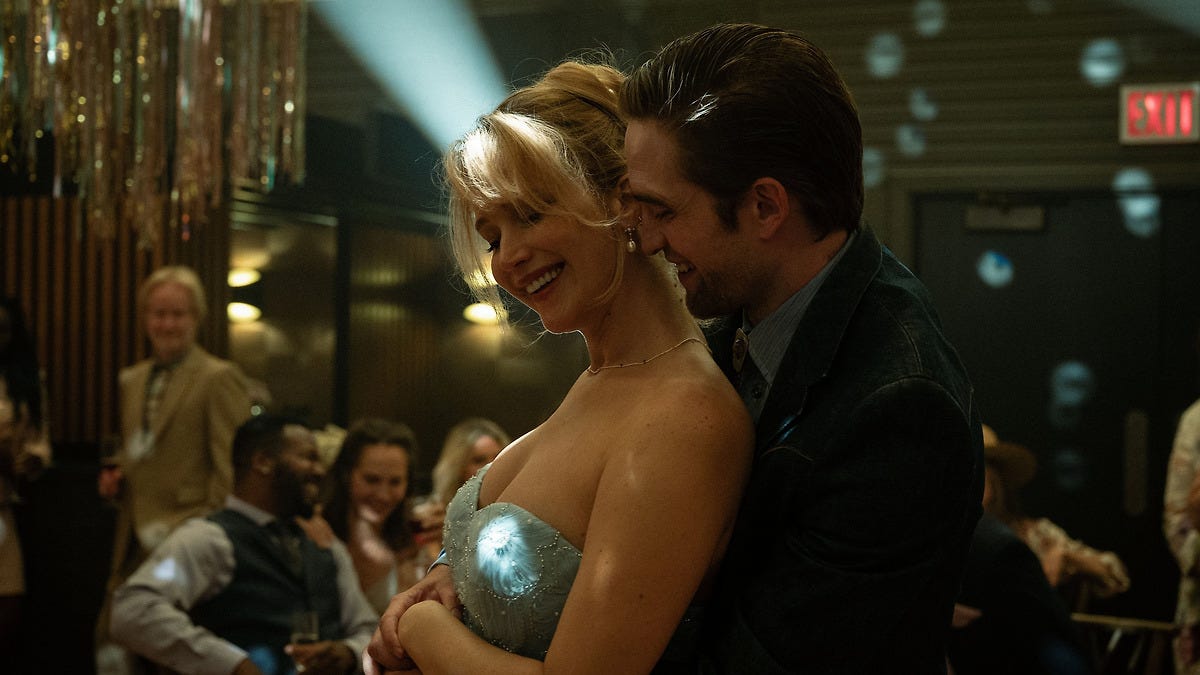
FRANKENSTEIN (2025)
A Guillermo del Toro helmed adaptation of Mary Shelley’s classic novel seems like the most inevitable move in the history of motion pictures. If you asked me what could possibly go wrong with such an adaptation, I would say that I worry I’d be left feeling as though his other monster movies feel more personal and original, that the beating heart is felt more profoundly. Seeing the film is being funded by Netflix would then have me worrying that del Toro might have a little too much fun with the setting and source material, losing the plot a bit as a result.
Sometimes, my concerns going into a highly anticipated movie prove to be unfounded. Sometimes, they’re spot on.
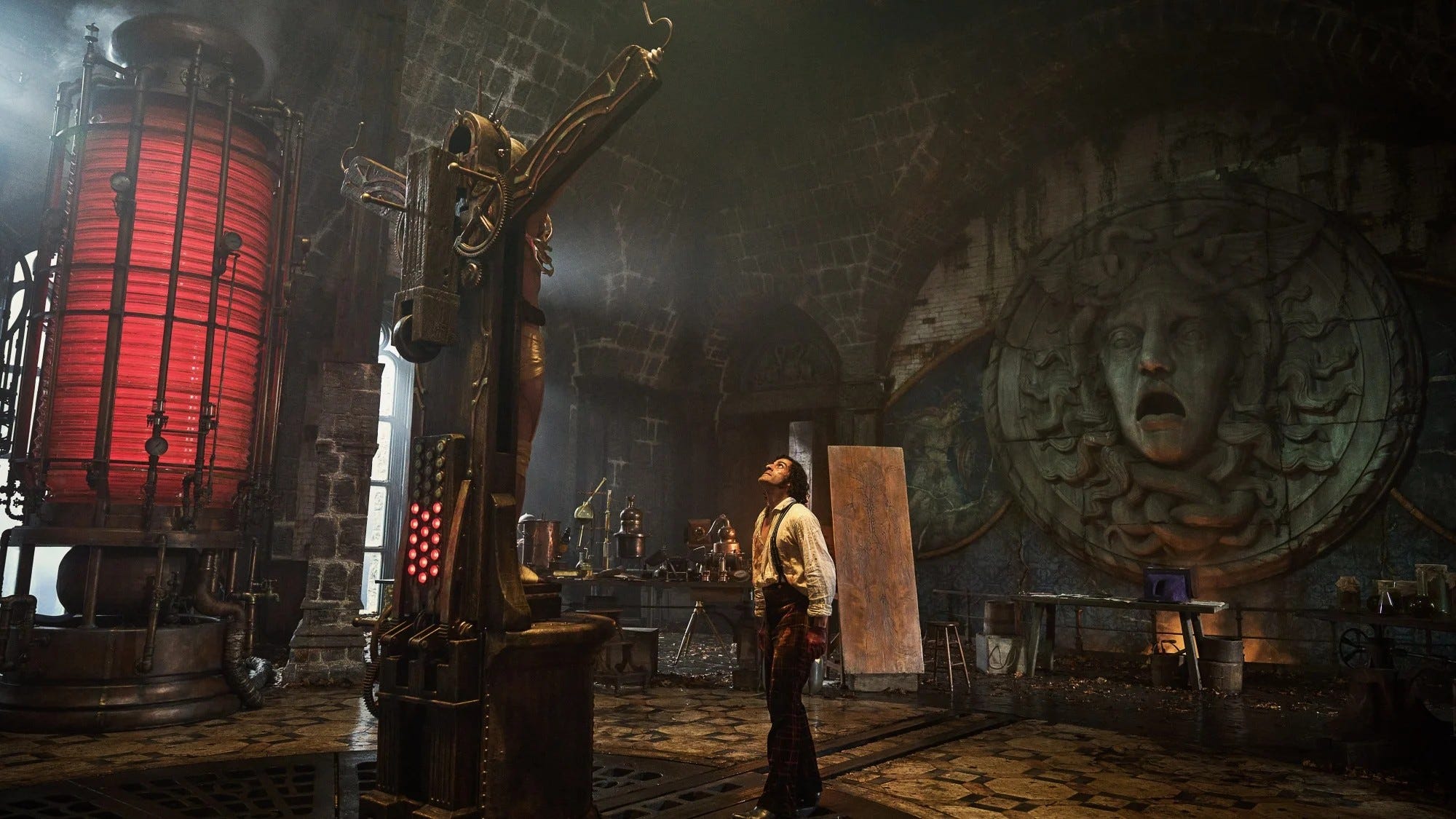
THE RUNNING MAN (2025)
If this movie was playing on a flight, and you knew nothing about it, you’d have found yourself a good way to spend a touch over two hours. But I was sitting in an IMAX theater, and I know this movie was co-written and directed by Edgar Wright, so I can’t help but feel deep disappointment over how generic the film looked and how mediocre the writing was. We’re getting an Edgar Wright picture every four years these days, so to have one of them be something like this is mildly depressing.
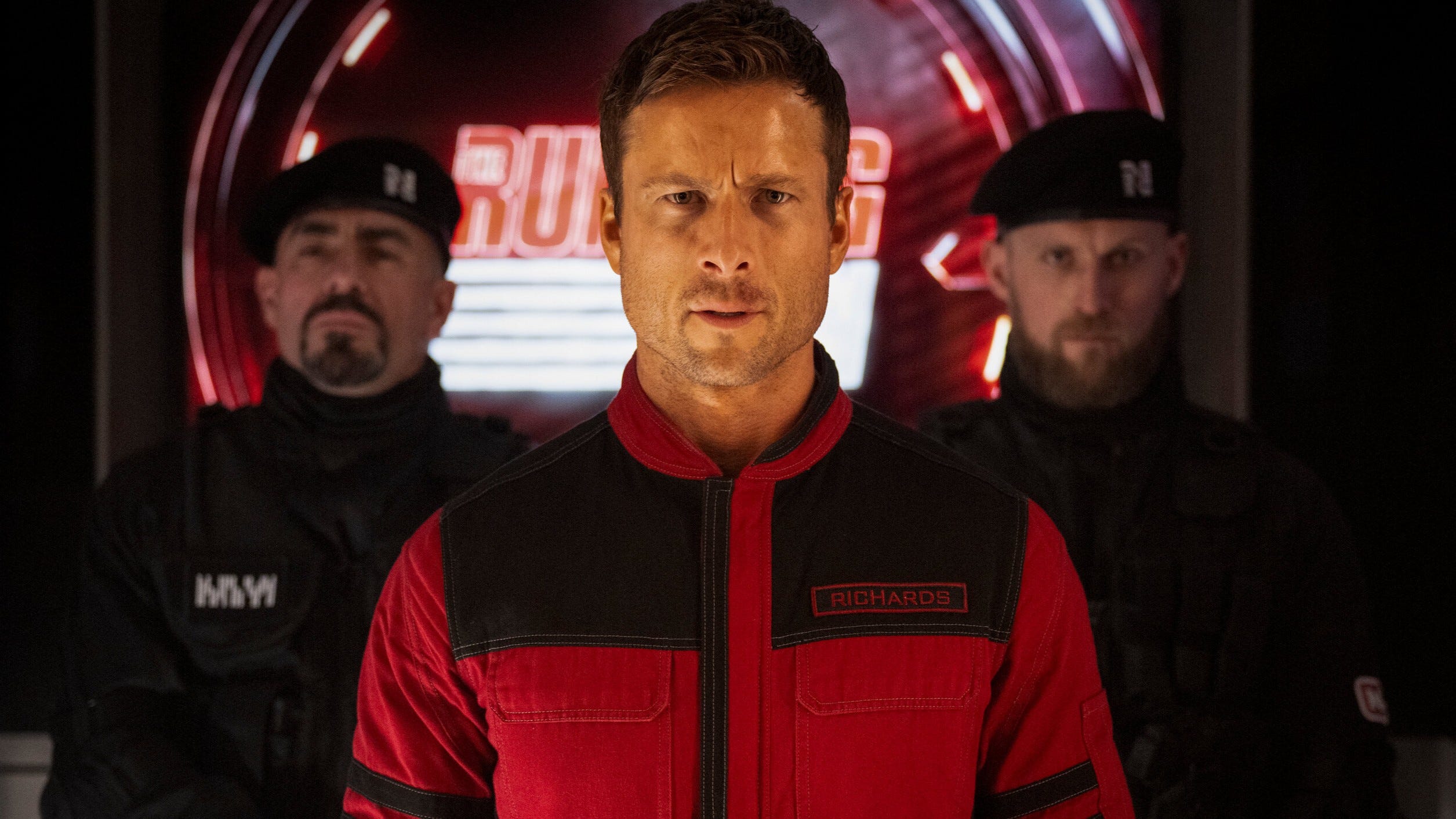
THE SANDLOT (1993)
It’s so hard for me to wrap my head around the fact that the filmmakers didn’t know that every decision that was made here was going to become iconic. Like, did they not know they had magic while writing this, or while the kids were performing the lines? In the early 90s, was this just a solid coming-of-age movie about putting yourself out there, friendship and baseball? Do I just feel this way because I was a kid who was born in ‘93 and grew up playing baseball? Nostalgia is a hell of a drug.
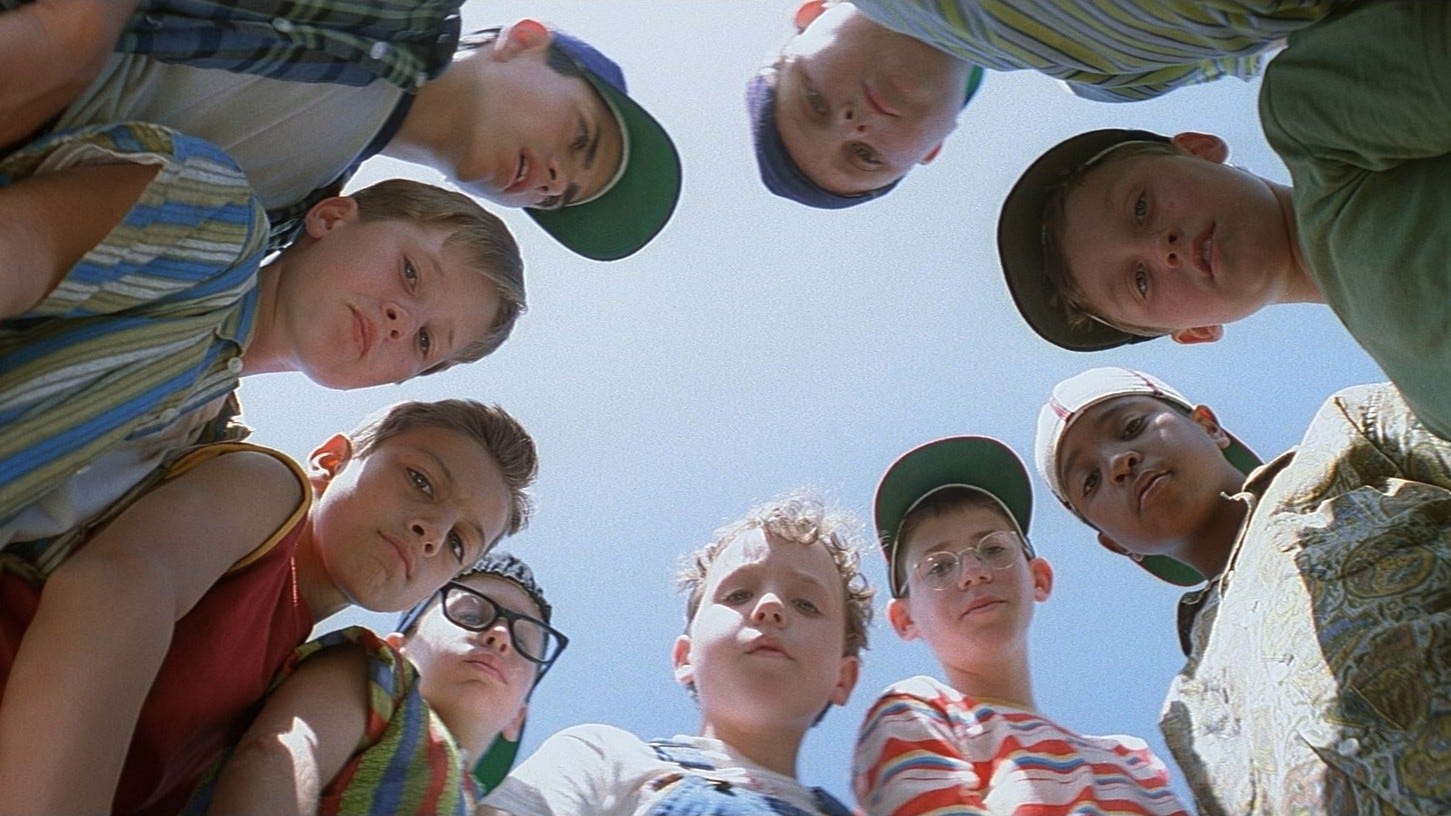
NUREMBERG (2025)
Watching this was like watching an adaptation of a beloved book. The Nuremberg Trials, much like all of the other chapters in this era of world history, was chock-full of compelling storylines, fascinating characters, and sources of conflict. Due to the nature of the motion picture, the film had to focus on a select few storylines, characters, and sources of conflict. It did hint at a wider world of intrigue for the World War II nerds in the crowd, but it left a lot of the story unexplored. The story that it did tell here was told very well, however. By the end, I couldn’t believe how quickly two and a half hours flew by.
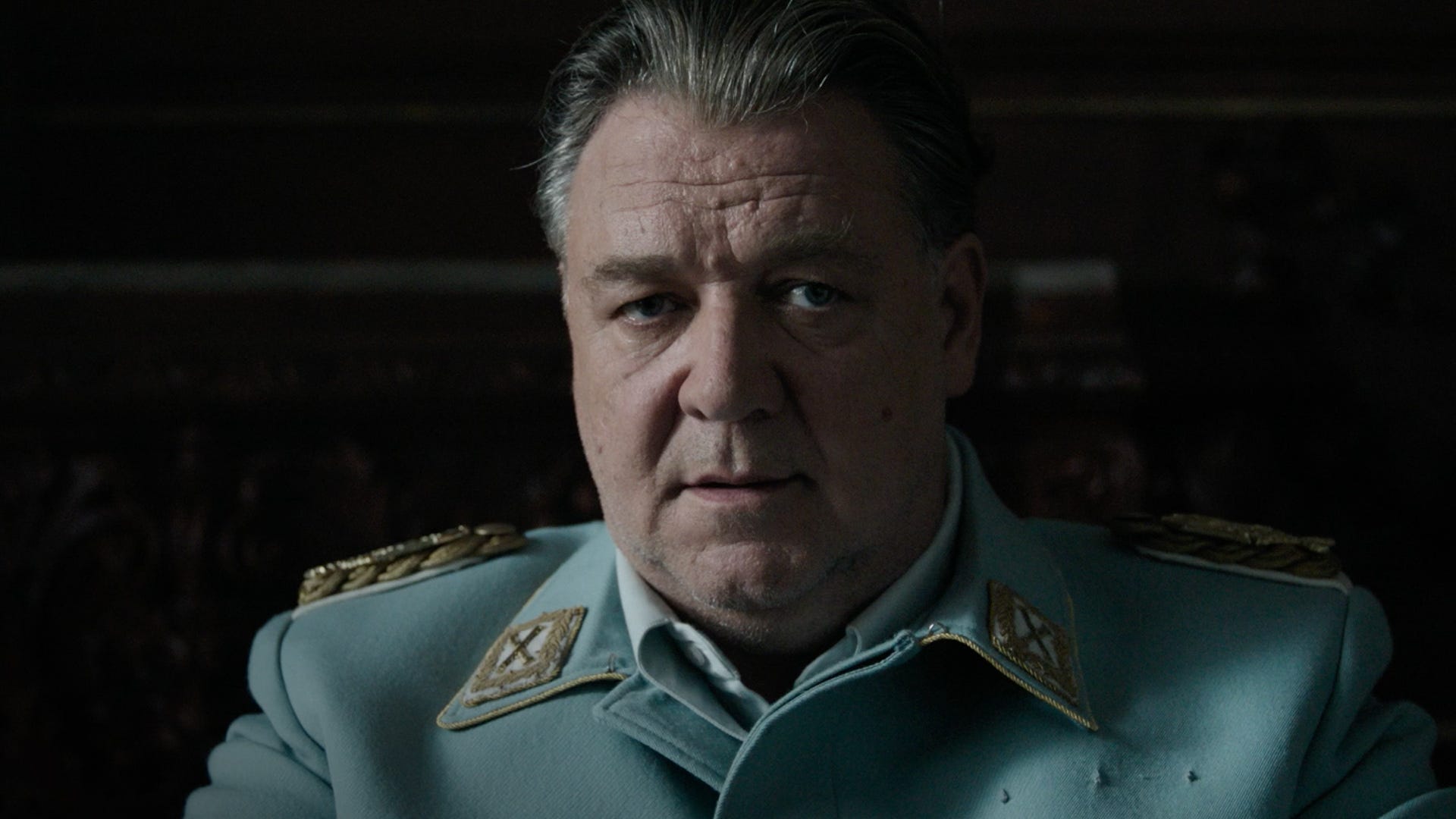
ZOOTOPIA 2 (2025)
It seems like the storytelling approach and target audience for this doesn’t overlap widely with the rest of Disney’s catalog — this feels like it’s almost fifty-fifty made for adults. It’s not made for adults, obviously, but the story being told, how the story is told, all of the winks and nods, they add up to an experience an adult would surely appreciate more than a child. Yes, there are a lot of moving parts onscreen at any given moment to keep the kids engaged, but the rest of it really feels to me like it’s aimed at us.
Okay, that’s enough rambling. I liked this. The plot unfolded in a swift and satisfying manner. The characters and their complexities were explored in more depth than I expected. Really solid stuff all around.
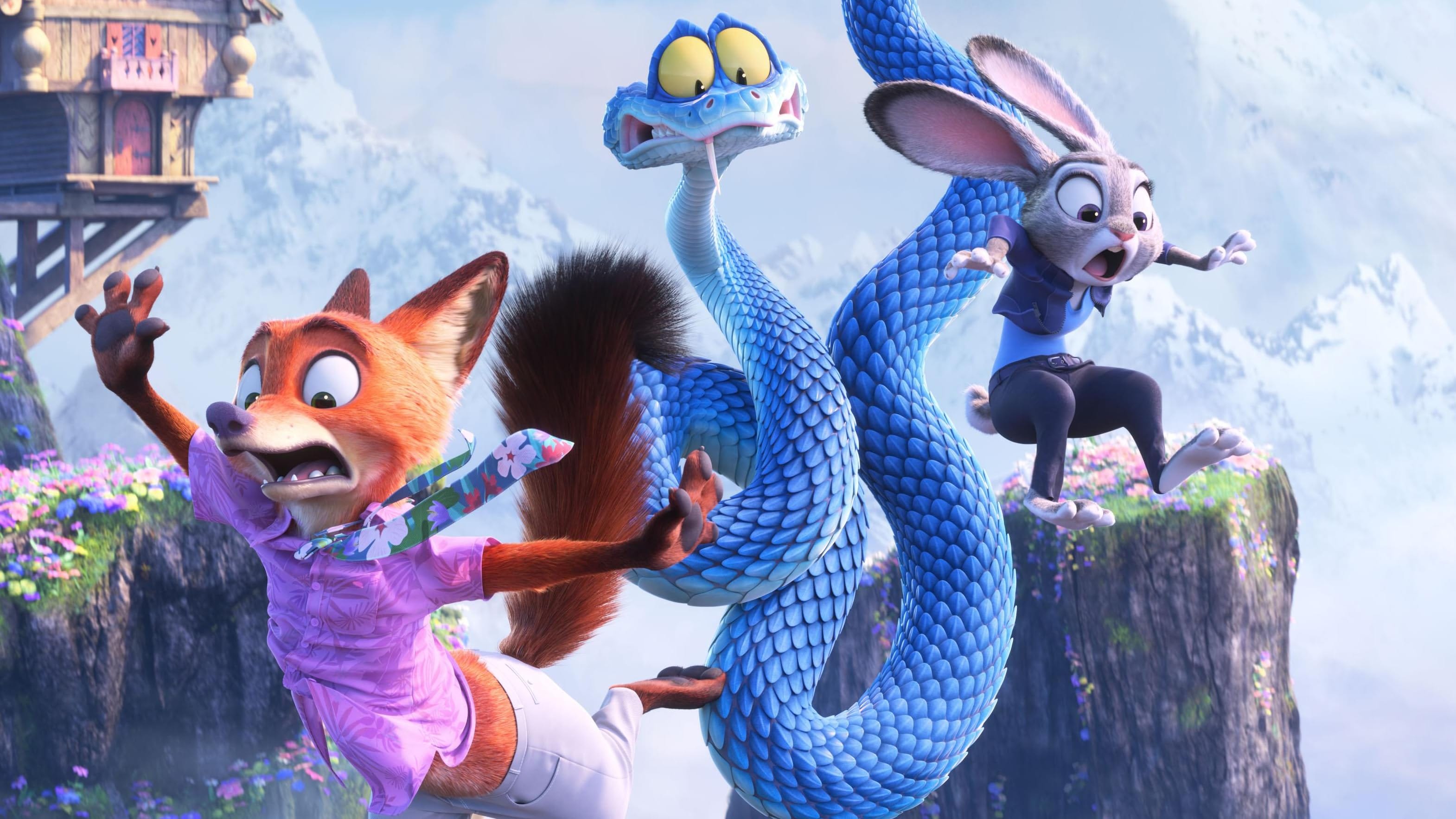
WICKED: FOR GOOD (2025)
Bless their hearts, everybody did their absolute best to justify the existence of a separate film for the second act of this beloved musical. For the most part, I thought Jon Chu made good decision after good decision in how to approach this. Cynthia Erivo and Ariana Grande prove, once again, transcendent in these roles. Jonathan Bailey and Ethan Slater filled the spaces where Elphaba and Glinda weren’t together beautifully.
In the end, there was really only one way to save a film adapting the immensely inferior second act of Wicked, and that’s by adding new songs at the quality of No Good Deed or For Good in a way that made sense to the narrative. I thought No Good Deed and For Good were performed and filmed exceptionally well. However, the two new songs (one for Elphaba, one for Glinda) weren’t great, and therefore, simply weren’t enough to save this latter half of the story.
Like I mentioned above, there’s nothing and nobody to blame here besides the source material. Everybody gave it their all in trying to make this work. From this point forward, watching the two movies back-to-back basically becomes essential for a truly satisfying watch. That shouldn’t be a problem though — all things considered, with these two films, I don’t think we could have asked for a better adaptation of the musical.
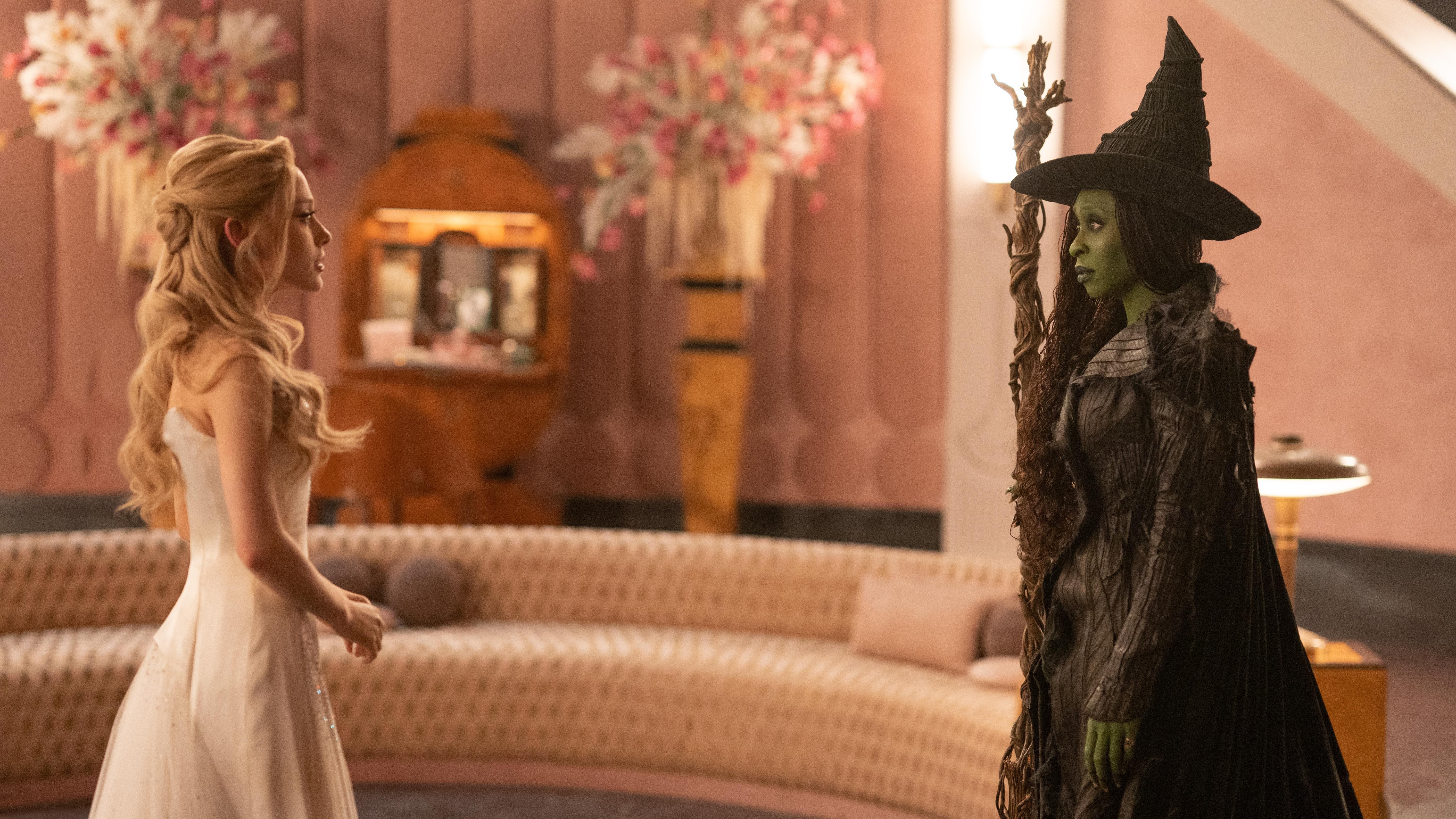
ETERNITY (2025)
This film committed the crime of having an interesting premise then proceeding to choose the safest, most boring decisions possible every step of the way in seeing the premise through. It didn’t push hard enough into the comedy to be a memorable Rom-Com. It didn’t push hard enough into the melodrama to be a memorable Romance. It wasn’t sentimental enough to be a memorable film about life-after-death.
The desire to see this premise flourish kept the train moving at a steady enough pace for me (all three leads were charming, which helped), but by the end, I was left completely unaffected — which is the absolute last thing you want with a film like this.
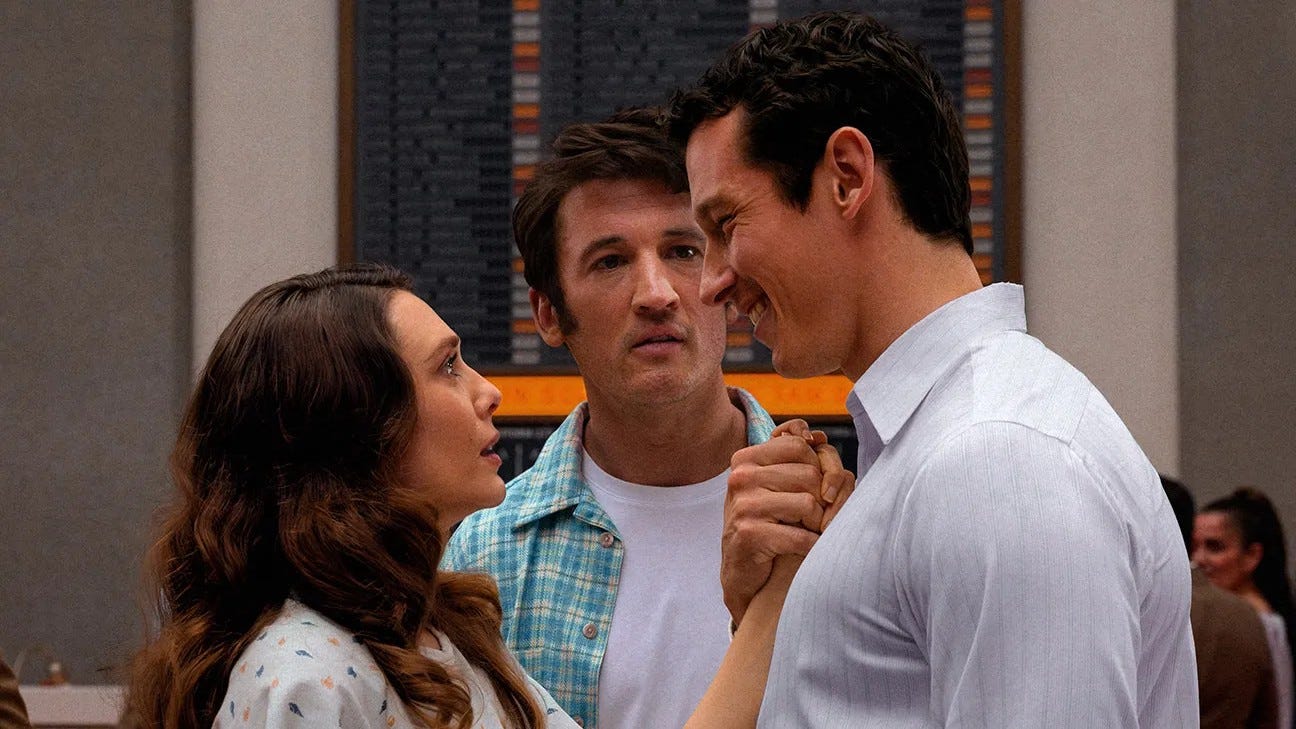
THE MAKING OF DARKNESS ON THE EDGE OF TOWN (2010)
Thom Zimny gives us an unbelievable behind-the-scenes peek at what it looked like for Bruce Springsteen and the E-Street Band to follow up 1975’s Born to Run. It was fascinating to watch Bruce captain the ship of his burgeoning career during a pivotal time like this. The tumultuous business side that reared its ugly head, and the creative side that wanted to find its way back to the roots after his life was forever changed with the release and reception of his previous album — no longer an up-and-coming underdog, now a budding superstar.
Without question, the highlight for me was the unprecedented insight this film gives us on Bruce’s process, straight from the studio in the mid-70s or from the man himself in the late-aughts: His philosophies on constructing an album, his approach toward building a song, his practice of filling notebooks with lyrics that would never be heard.
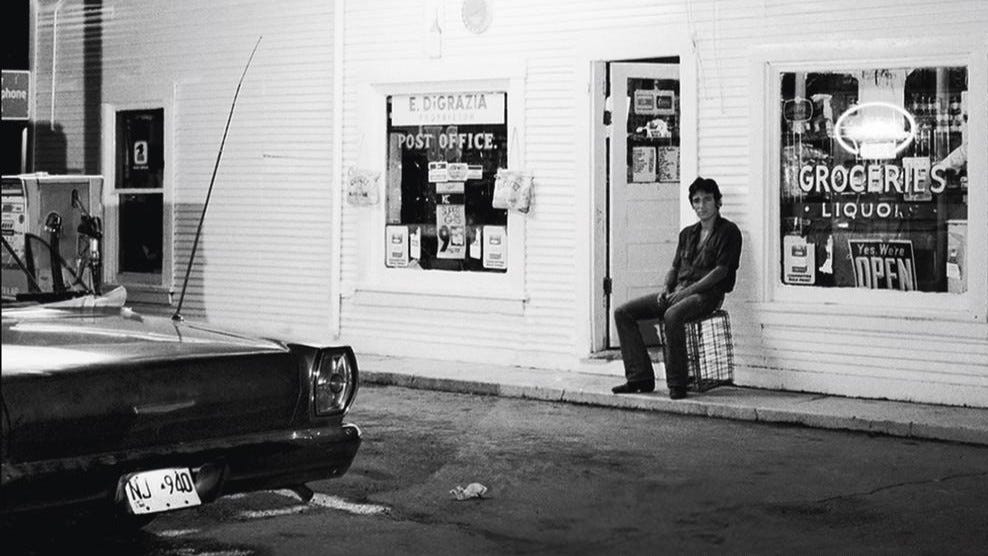
HAMNET (2025)
I genuinely can’t remember the last time I was this moved by a film at the cinema — I cried discussing it on the way home after fighting back tears for the majority of its runtime.
This is a story that when described on a whim would sound either mundane or melodramatic, but when experienced with the guidance of Chloe Zhao’s masterful hand is anything but — the emotions are raw and they’re potent, and they’re earned. This is a story about falling in love, being in love, about building a life for oneself, about raising a family, about suffering loss, about grieving alone, about connecting to loved ones and strangers alike through universal experiences and empathy.
The first three-fourths of this movie explore life at its best and at its worst. Then, in the final quarter, the film pivots into a story about the reasons human beings have told stories and made art for as long as we’ve existed. As the credits rolled, I was stunned in my seat, utterly awestruck by how everything I’ve just talked about came together so perfectly — a shining example of a whole that is somehow greater than the sum of its remarkable parts.
I can go on and on about this for hours, analyzing every character, every scene, every sequence, every chapter, every act, because it was all so purposeful, so deftly executed and strung together; but I’ll leave it here for now.
One final thing I’ll mention is that if Jessie Buckley doesn’t win the Oscar for Best Actress in a Leading Role, I never want to hear somebody bring up that contemptible award show around me ever again — the performance she gives in this is one of the best I’ve ever seen, let alone the best I’ve seen this year.
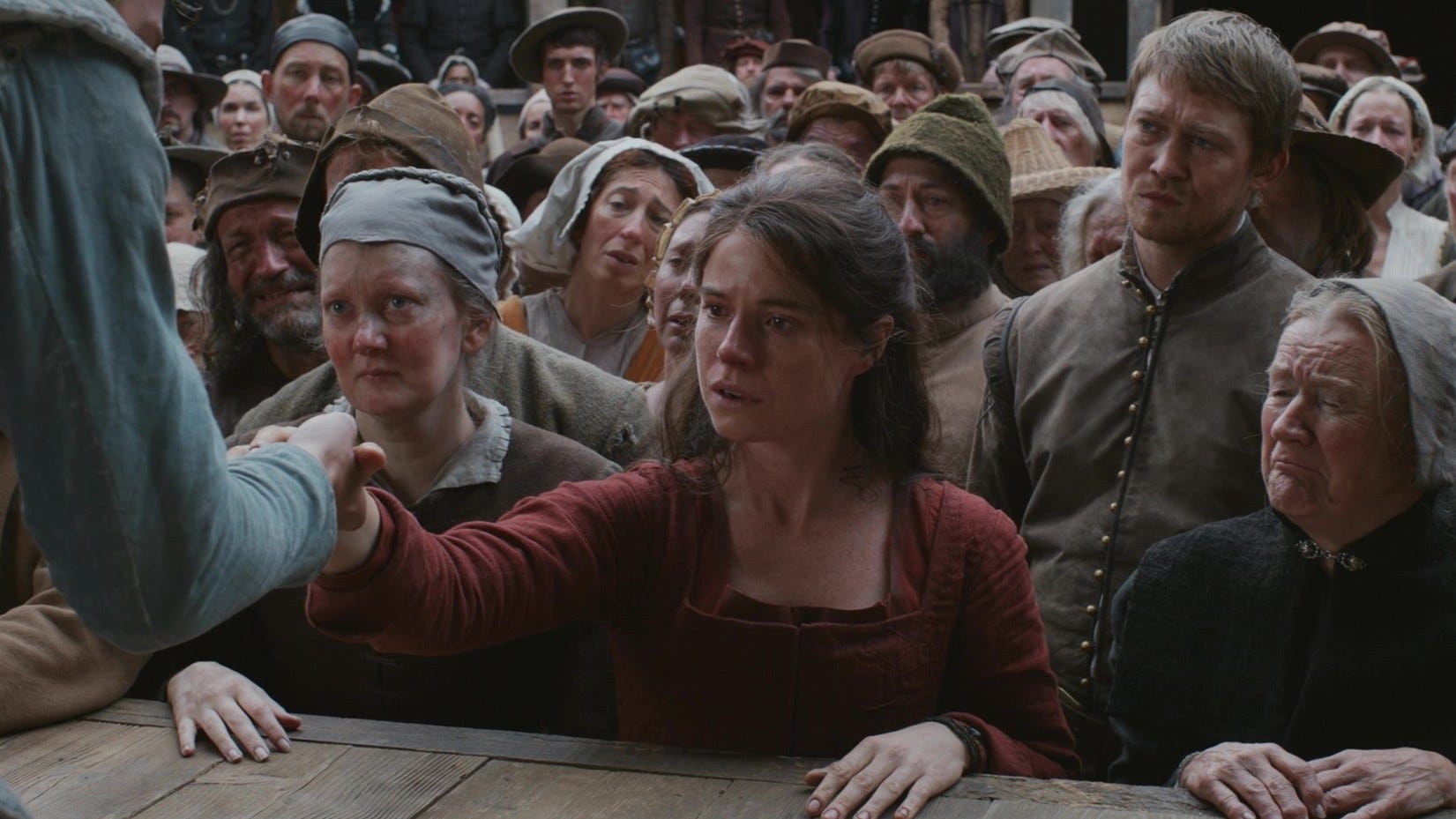
WAKE UP DEAD MAN (2025)
An incredibly fine line has to be walked to make these Agatha Christie ensemble whodunnit mysteries really work on film. What typically happens when those books are adapted is certain characters get more space in the movie, and most of the others hang around, ever-present, after they’re introduced. This leaves the audience with less to work with as they’re following along, making each step in the unfolding plot feel less satisfying. In the novels, every character gets the space they require in order to feel like a full participant in the mystery at hand, which in turn gives the audience all the information they need to feel invested in the events and outcomes.
There have been fine adaptations in the past, and Rian Johnson is currently on a streak of three straight original, thematically-resonant, tonally-sound stories told in the genre. While I do think this entry is stronger than Glass Onion, I feel this one suffers from the problems I lay out above more than Knives Out does — the first of these films doing the most with what it had to work with, in my eyes.
I’ve said it before and I’ll say it again: I love what Rian Johnson is doing here, and I hope he continues doing it for a very long time. He’s delivering high-quality stories to an audience that is hungry for a genre this medium has generally had trouble supplying.
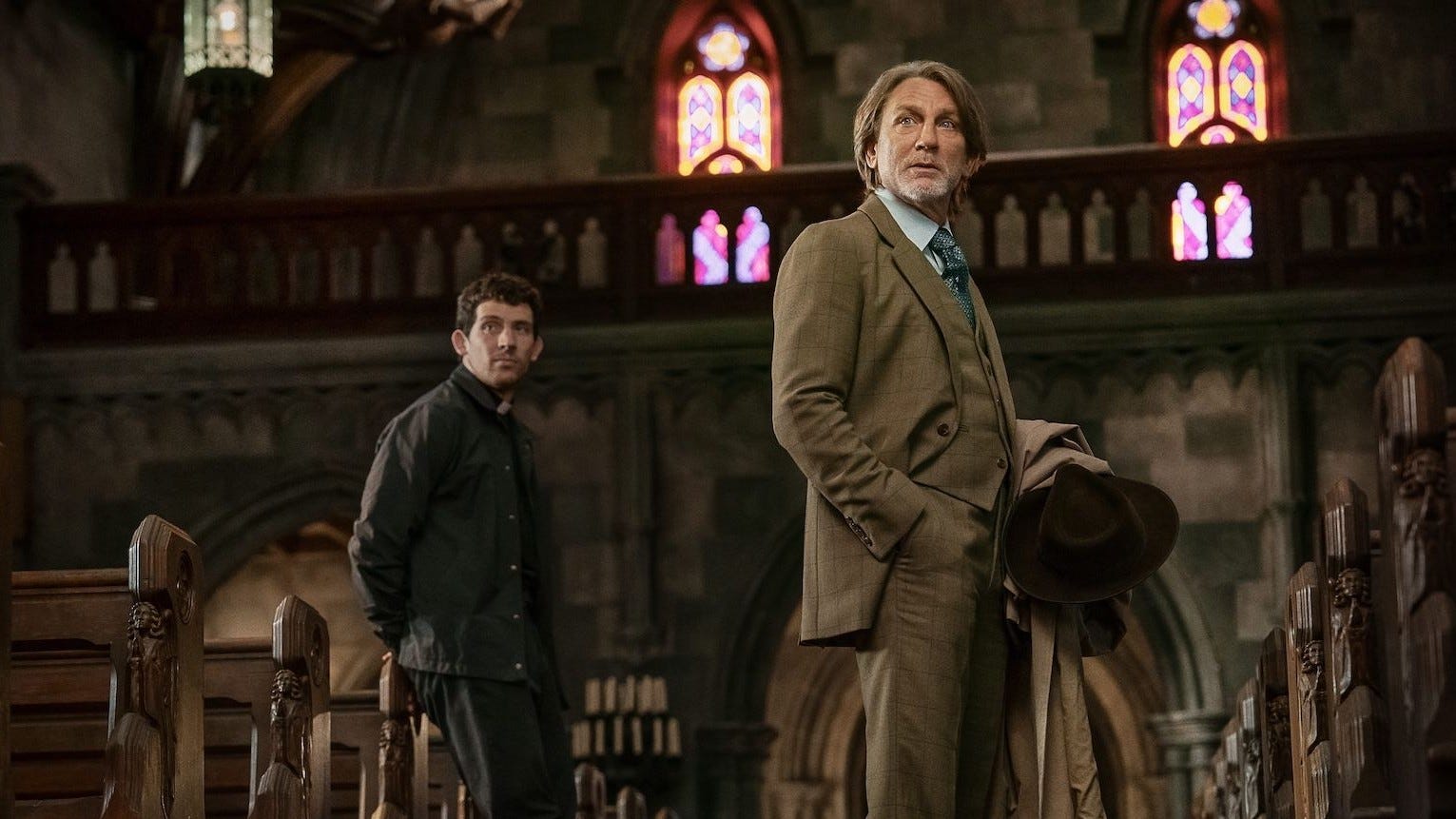
SORRY, BABY (2025)
I didn’t learn until after the credits rolled that the director of this was also the lead actor and the sole writer — oh, and it’s her feature debut. Everything about this felt so confident. The direction was fluid and alive — there were a couple moments that brought a smile to my face, built entirely by the cinematography and editing. The writing was sharp, fearlessly shifting tones, breaking our heart one moment then making us laugh the next — the result feeling far from jarring, but rather, like real life as experienced by this protagonist vividly sketched and brought to life by Eva Victor.
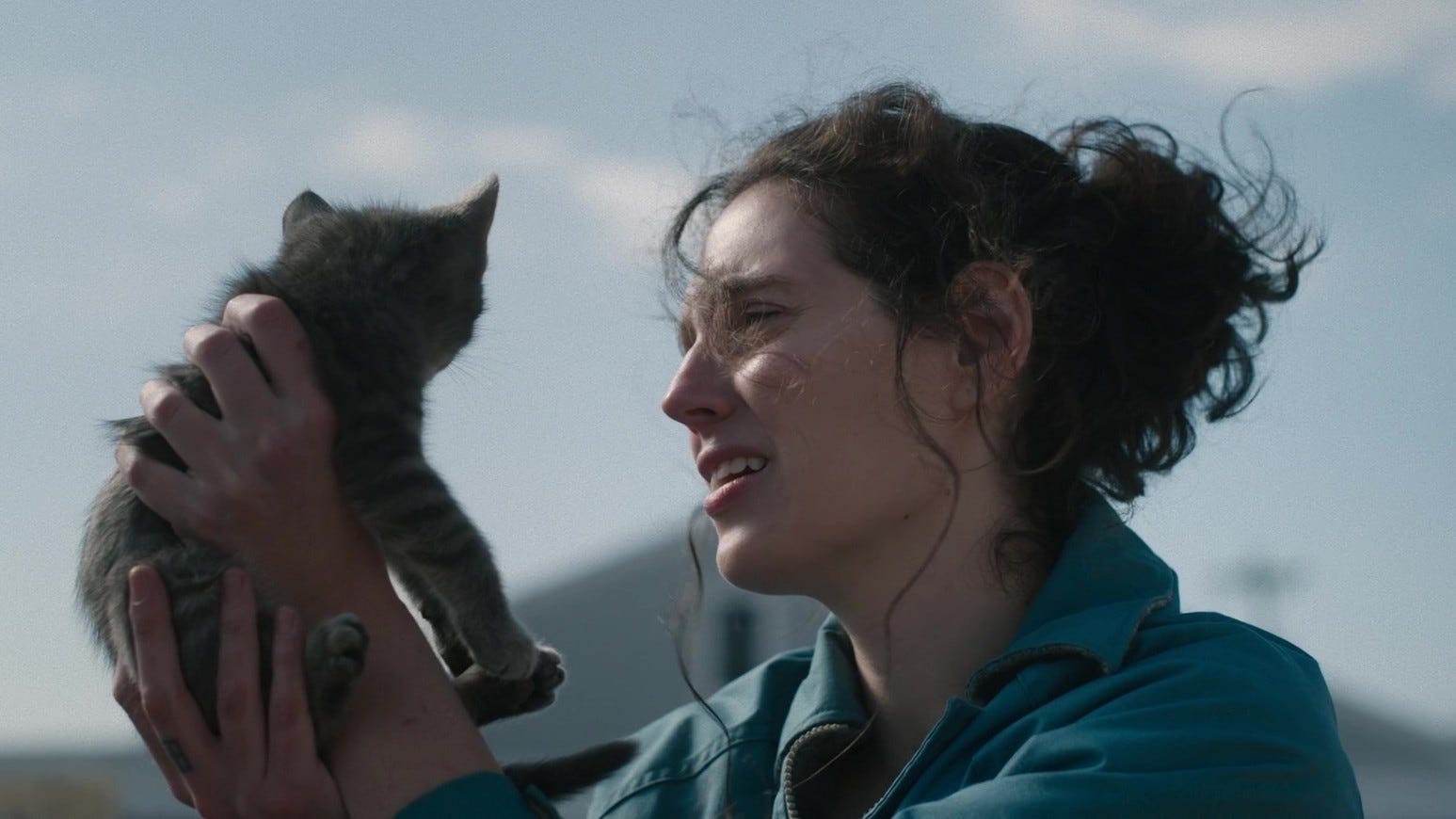
K-POP DEMON HUNTERS (2025)
The second act of this film really weighed it down for me. The first act was exciting and did a great job of hooking me in, and the third act was triumphant enough to ultimately win me back — but man, that middle portion just felt like hitting the same somber note over and over in a part of the movie that should theoretically be the most fun.
How It’s Done, Golden, and What It Sounds Like have been added to the playlist though. Bangers.
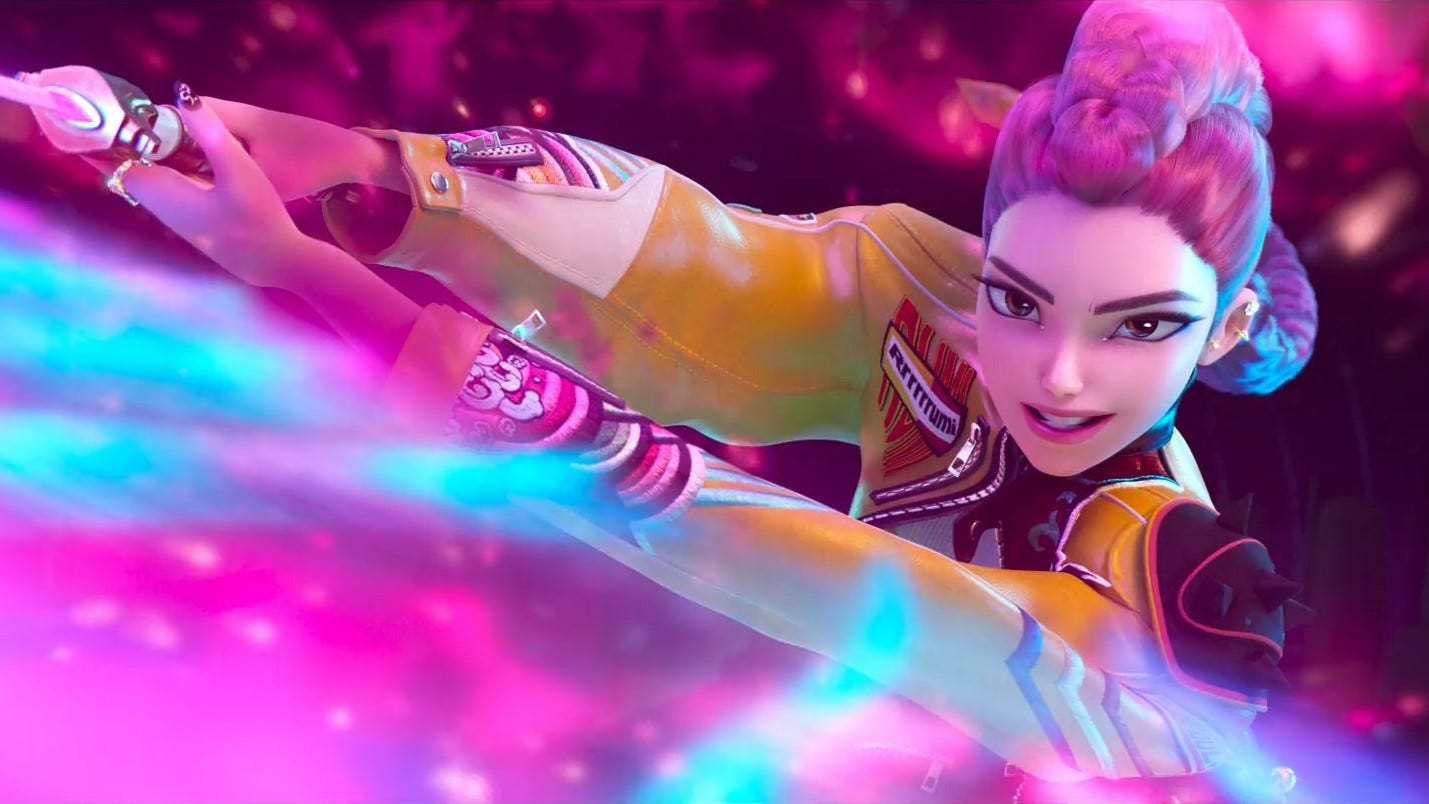
JAY KELLY (2025)
The final few minutes of this film tell you exactly how the two hours that preceded it unfolded, for better or worse. It’s on the nose, but it’s honest. It’s sentimental, but it’s sincere. Baumbach and Clooney captained this ship with grace, and I was a contented passenger on the voyage down this ageing movie star’s memory lane.
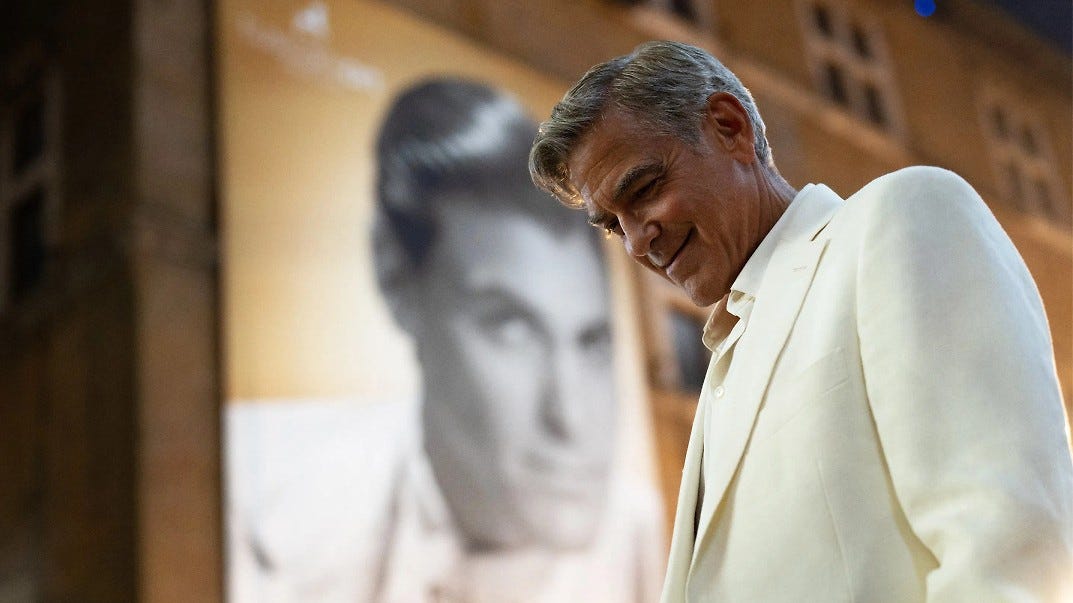
TRAIN DREAMS (2025)
A portrait of a man stuck in a period of time that renders him small, stuck in a place he’s planted roots, watched them burn, then rebuilt. He’s profoundly alone, moving through the uncertainty of the days, the weeks, the years. The film is slow because to capture loneliness is to linger on the quiet, the emptiness, the pointlessness. The film is despondent to highlight the times when this early 20th-century logger found true meaning in his life, ever-fleeting.
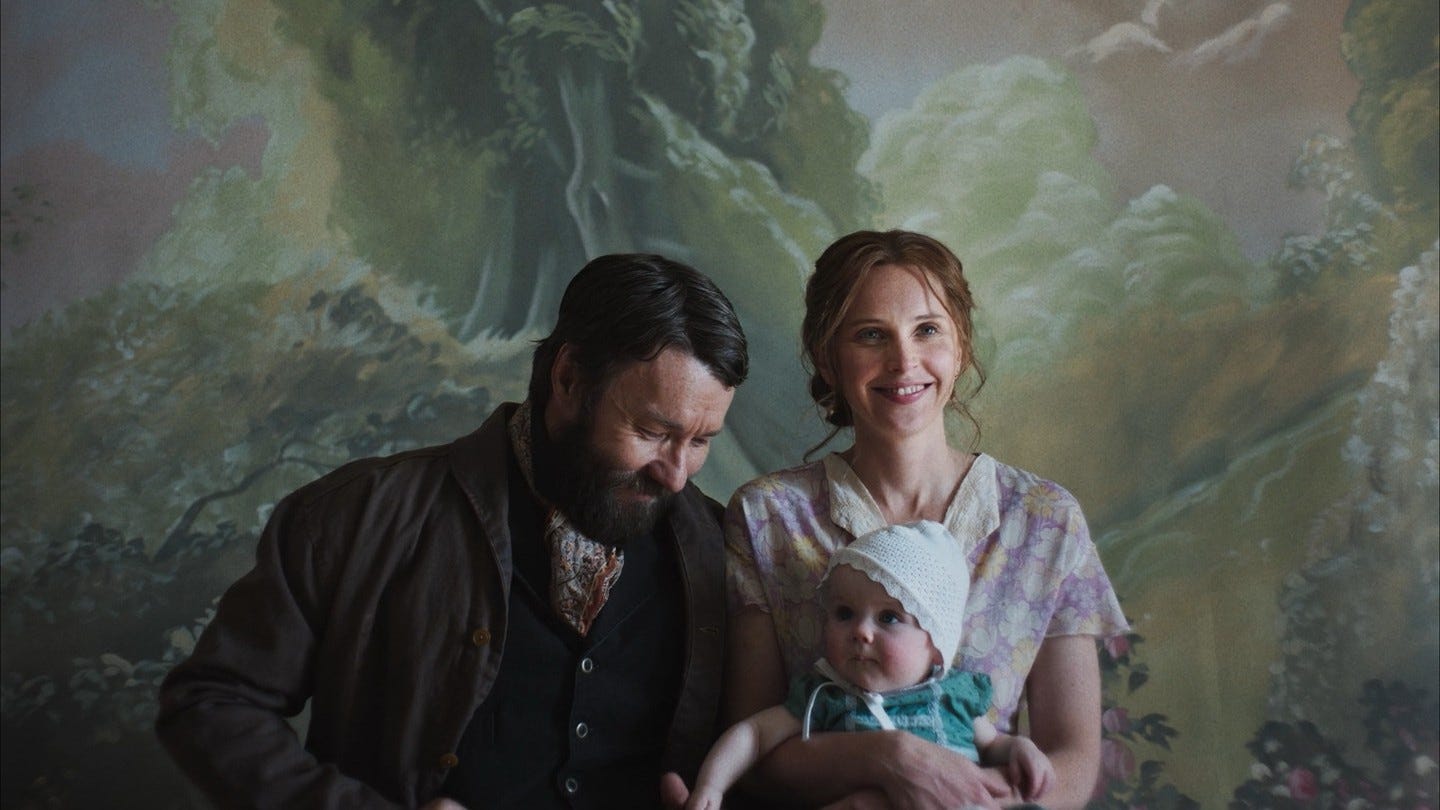
NOUVELLE VAGUE (2025)
So often, Linklater films feel like him gathering a group of his friends to go make a movie together, just for fun. This one is special because it feels like Linklater gathering a group of his friends to go make a movie together about a legend of cinema gathering a group of his friends to go make a movie together. It’s all such good fun.